Older homes and commercial buildings in Concord carry a certain charm. From historic mill houses to mid century ranch style properties, these structures tell the story of the city growth and character. However, behind the walls, under flooring, and above ceilings, there may be hidden environmental hazards that were once common in construction. Two of the most concerning are asbestos and mold.
Property owners often focus on one issue while overlooking the other. The truth is that both can exist in the same building, especially in structures built before the 1980s. Understanding the differences between asbestos and mold, how they develop, and why asbestos and mold testing in Concord, NC is essential can help protect your health, your investment, and your peace of mind.
Asbestos in Older Concord Buildings
Asbestos is a naturally occurring mineral that was widely used in building materials throughout much of the twentieth century. It was valued for its durability, heat resistance, and insulating properties. In older Concord properties, asbestos can still be found in floor tiles, pipe insulation, popcorn ceilings, roofing materials, cement siding, and textured wall coatings.
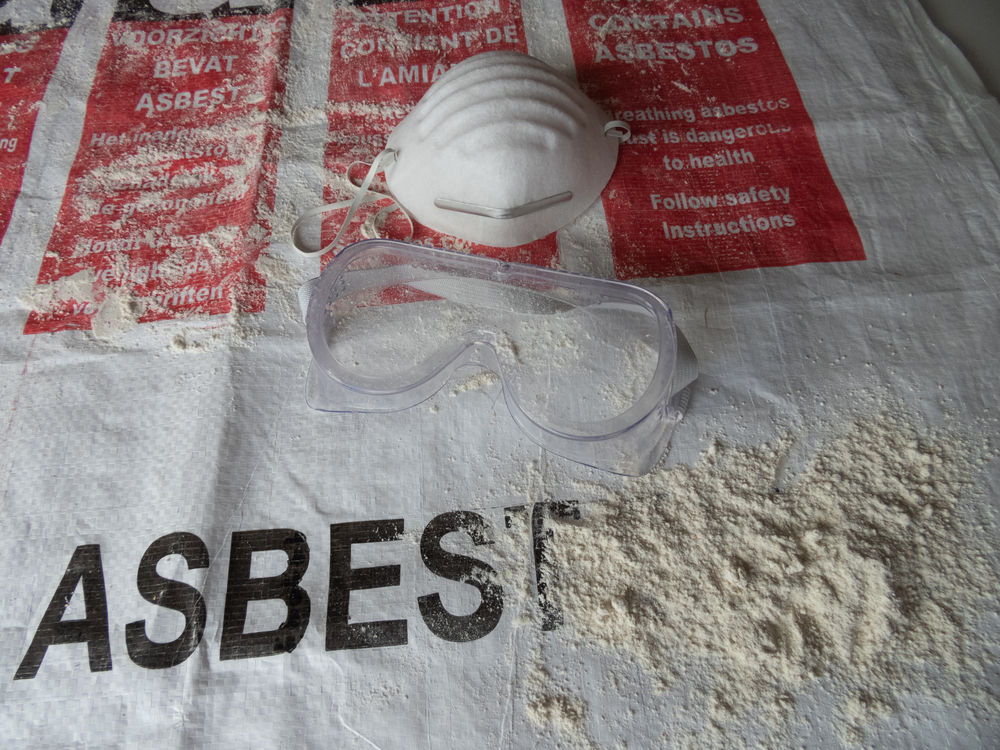
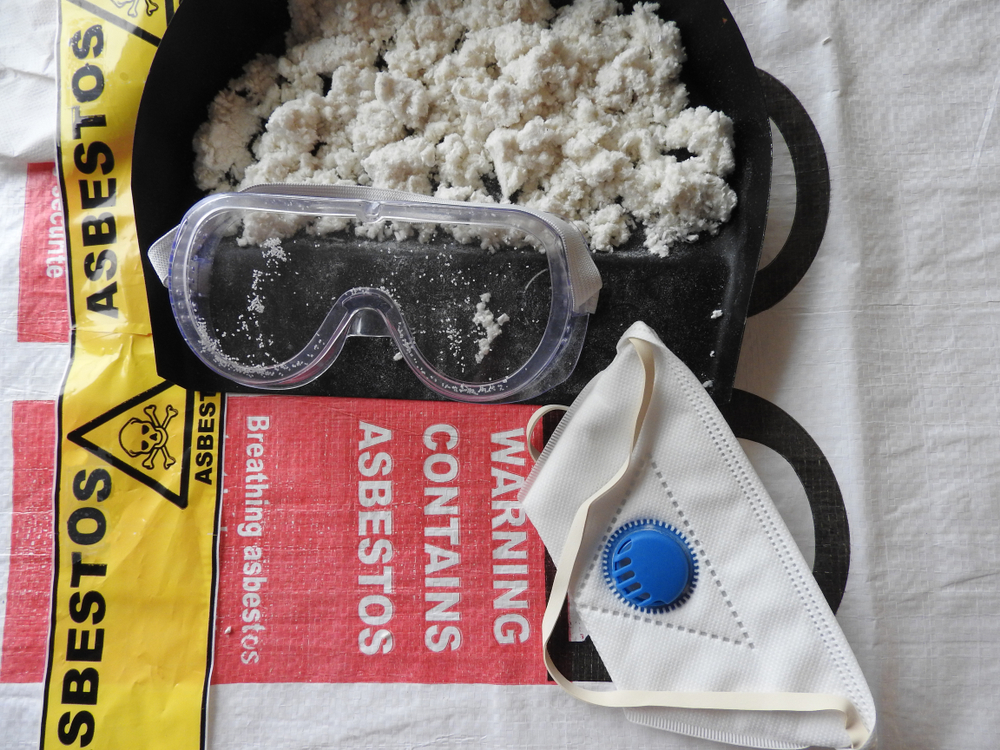
When asbestos containing materials are intact and undisturbed, they may not pose an immediate risk. The danger arises when these materials are damaged, drilled, sanded, or demolished. Disturbance releases microscopic fibers into the air. Once inhaled, these fibers can lodge in the lungs and remain there for decades. Long term exposure has been linked to serious illnesses, including asbestosis, lung cancer, and mesothelioma.
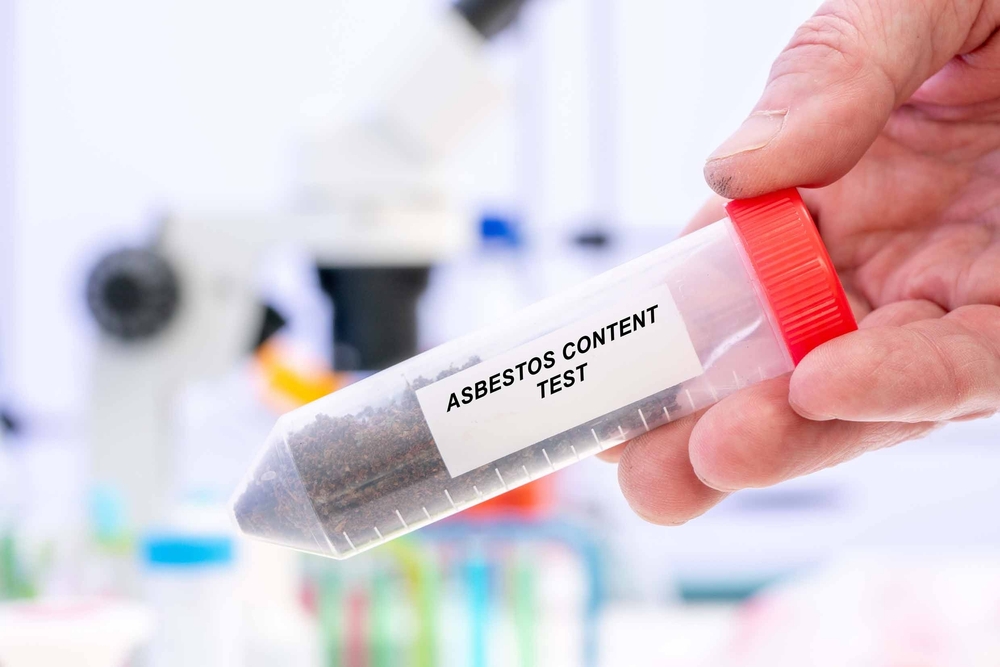
Many property owners assume that if their building looks clean and well maintained, it is safe. Unfortunately, asbestos cannot be identified by sight alone. Only laboratory analysis of samples collected by trained professionals can confirm its presence. This is why professional asbestos and mold testing in Concord, NC is so important before renovations, remodeling, or property transactions.
The Hidden Threat of Mold Growth
Unlike asbestos, mold is a living organism. It thrives in damp, humid environments and can begin growing within 24 to 48 hours after water intrusion. In Concord, where humidity levels can be high for much of the year, mold growth is a common concern in basements, crawl spaces, attics, and behind walls affected by leaks.
Mold spreads by releasing spores into the air. These spores can trigger allergic reactions, respiratory issues, headaches, skin irritation, and in some cases more severe health complications. Individuals with asthma, weakened immune systems, or chronic lung conditions are particularly vulnerable.
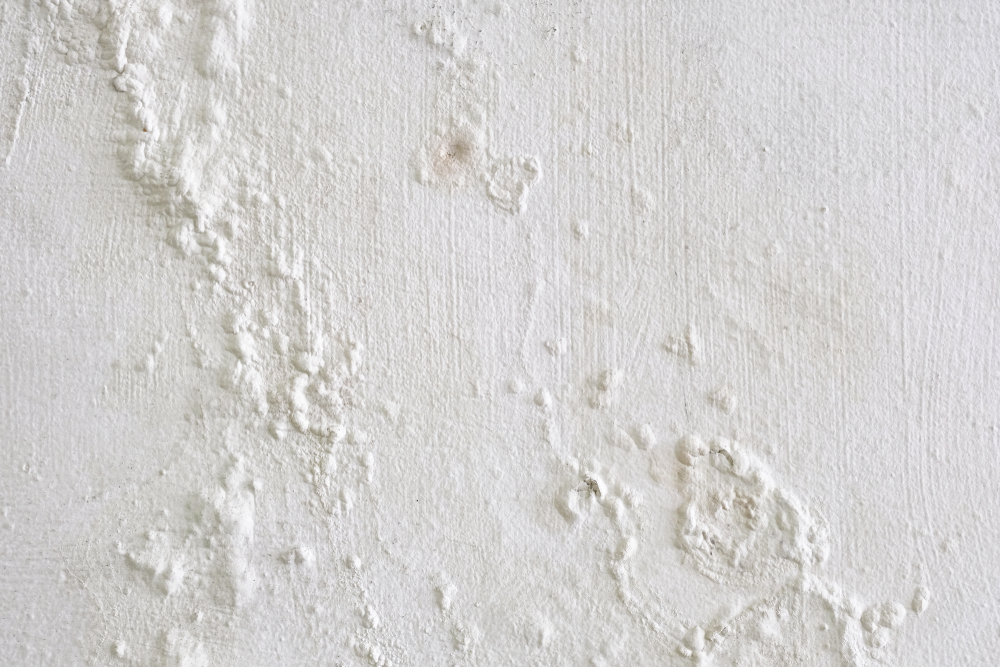
One of the most challenging aspects of mold is that it is often hidden. It can grow behind drywall, under carpets, inside HVAC systems, and beneath flooring. By the time visible staining appears or a musty odor is noticed, the contamination may already be extensive. Professional mold removal in Concord, NC begins with accurate testing to identify the type of mold, the extent of contamination, and the source of moisture that allowed it to grow.
While mold can develop in any building regardless of age, older properties are especially susceptible due to aging plumbing, outdated ventilation systems, and foundation issues that allow moisture intrusion.
Key Differences Between Asbestos and Mold
Although asbestos and mold are often discussed together, they differ significantly in origin, behavior, and remediation approach. Asbestos is a mineral fiber embedded in building materials. Mold is a biological growth that spreads when moisture is present. Asbestos remains dormant unless disturbed, while mold actively grows and expands as long as conditions are favorable.
Health risks also vary. Asbestos related diseases typically develop after prolonged exposure and may take decades to appear. Mold related symptoms can occur quickly, particularly in sensitive individuals. However, both can compromise indoor air quality and both require professional handling.
Testing methods differ as well. Asbestos testing involves collecting physical samples of suspect materials and sending them to a certified laboratory. Mold testing may include air sampling, surface sampling, and moisture assessments. A comprehensive inspection often evaluates both hazards simultaneously, especially in buildings that have experienced water damage and are undergoing renovation.
When professionals perform asbestos and mold testing in Concord, NC, they follow strict protocols to prevent cross contamination and to ensure accurate results. This combined approach provides property owners with a complete understanding of potential environmental risks.
Why Testing for Both Is Critical Before Renovation or Sale
Renovating an older Concord property can increase its value and functionality, but disturbing walls, ceilings, or flooring without proper testing can release hazardous materials into the air. Many remodeling projects uncover hidden asbestos in insulation, tiles, or joint compound. At the same time, opening walls may reveal mold colonies that formed due to long term leaks.
Testing for both hazards before starting work helps prevent costly surprises, project delays, and health risks. It also ensures compliance with local, state, and federal regulations regarding asbestos handling and disposal. Failure to properly identify and manage asbestos can result in fines and legal liability.
For property sellers, documented asbestos and mold testing in Concord, NC can provide reassurance to potential buyers. Transparency about environmental conditions builds trust and may streamline the closing process. Buyers are increasingly aware of indoor air quality issues and often request environmental inspections as part of due diligence.
Landlords and commercial property owners have additional responsibilities. Providing a safe indoor environment for tenants and employees is not only ethical but often legally required. Addressing both asbestos and mold proactively reduces the likelihood of complaints, health claims, and long term structural damage.
The Importance of Professional Asbestos and Mold Remediation
If testing confirms the presence of asbestos or mold, the next step is safe and thorough remediation. Asbestos and mold remediation require specialized training, equipment, and containment procedures. Attempting to handle either hazard without professional expertise can worsen contamination and increase exposure.
During asbestos remediation, contractors seal off the affected area, use negative air pressure systems, and wear protective gear to prevent fiber release. Materials containing asbestos are carefully removed, sealed in approved containers, and disposed of according to regulatory guidelines.
Mold removal in Concord, NC involves isolating contaminated areas, removing affected materials when necessary, cleaning surfaces with appropriate antimicrobial solutions, and addressing the underlying moisture source. Without correcting leaks, humidity issues, or drainage problems, mold is likely to return.
In some cases, both hazards may need to be addressed during the same project. For example, water damage in an older building may lead to mold growth while also disturbing asbestos containing materials. Coordinating asbestos and mold remediation ensures that both issues are resolved safely and efficiently.
Professional remediation also includes post remediation verification. This step confirms that asbestos fibers or mold spore levels have been reduced to safe levels before occupants return. Independent clearance testing provides peace of mind and documented proof of successful cleanup.
Conclusion
Older Concord properties offer character, history, and investment potential, but they can also conceal environmental hazards that threaten health and property value. Asbestos and mold present different risks, yet they often coexist in aging buildings. Ignoring one while focusing on the other leaves gaps in protection.
Comprehensive asbestos and mold testing in Concord, NC provides clarity before renovations, real estate transactions, or occupancy changes. Early identification allows for proper planning, regulatory compliance, and safe project execution. When hazards are found, professional asbestos and mold remediation and expert mold removal in Concord, NC restore indoor environments to safer conditions.
Testing for both asbestos and mold is not just a precaution. It is a proactive step toward safeguarding occupants, preserving property integrity, and ensuring that the charm of older Concord buildings does not come at the cost of health and safety.
Need Remediation Services in Concord, NC?
Here at Concord Asbestos Abatement and Mitigation LLP, we take pride in providing top-notch remediation services tailored to meet your needs. As a family-owned and -operated business, we understand the importance of keeping your home or business safe and worry-free. Our knowledgeable team is committed to delivering exceptional service, maintaining cost-effective solutions, and ensuring every job site is left in pristine condition. Contact us today to schedule your consultation and experience the Concord difference!
As winter approaches and temperatures drop, many homeowners turn their attention indoors, planning upgrades and renovations they may have postponed during the warmer months. Winter is an ideal time for remodeling projects such as installing new flooring, updating bathrooms, or finishing basements. However, before swinging the first hammer or removing that old tile, it’s crucial to consider the hidden dangers that might lurk behind walls or under floors—specifically, asbestos.
The risks posed by asbestos are not just a concern for demolition crews or commercial developers. Homeowners in Concord, NC, and surrounding areas like Charlotte are increasingly finding that older homes often contain asbestos in materials that were commonly used before the 1980s. This makes asbestos testing before renovation an essential first step for any winter remodeling project, no matter how minor it may seem.
Why Asbestos Testing is Critical Before Home Renovations
During a home renovation, disturbing building materials such as insulation, floor tiles, ceiling texture, or even drywall joint compound can release asbestos fibers into the air. Once airborne, these microscopic fibers pose a serious health risk when inhaled. Long-term exposure can lead to severe diseases such as asbestosis, lung cancer, and mesothelioma, which often do not manifest symptoms until decades after exposure.
This is why professionals strongly advise asbestos inspection in Concord, NC, before starting any renovation work. Even something as routine as sanding walls or replacing old linoleum can create dust that contains asbestos if the materials are not first tested. The risk is particularly heightened during winter months when homes are sealed tighter, limiting ventilation and allowing any released fibers to circulate indoors.
In cities like Concord and Charlotte, where many homes were built in the mid-20th century, it’s not uncommon to find asbestos in older roofing shingles, pipe insulation, vinyl flooring, textured ceilings, and siding. An asbestos inspection can help identify whether these materials are present and determine the safest course of action. It is far more cost-effective and safer to conduct asbestos testing before renovation than to deal with a hazardous contamination event during or after your project.
Winter Renovation Projects and Asbestos Risk
Winter is a popular time for indoor home improvement projects, especially in regions with colder climates like North Carolina. Homeowners often use this season to finish basements, remodel bathrooms and kitchens, or even convert unused spaces into home offices or gyms. These projects often require cutting into walls, lifting up floor coverings, or removing ceiling textures—activities that can disturb hidden asbestos-containing materials (ACMs).
One of the most common misconceptions is that asbestos is only found in industrial or commercial buildings. In reality, residential properties—particularly those constructed before 1980—may contain a surprising array of asbestos-laced materials. And in the context of winter renovations, where most work takes place inside and the home’s heating system is circulating air, the dangers of airborne asbestos increase dramatically.
This is where homeowners in Concord, NC, should consider winter home renovation asbestos risk seriously. An unnoticed asbestos hazard can transform a DIY project into a full-blown health emergency, affecting not just the renovators but everyone in the home. Scheduling asbestos testing before renovation ensures that any potential hazards are identified and mitigated early in the process.
The Importance of Professional Asbestos Inspection
It might be tempting to skip asbestos testing or try to assess the risk visually, but this approach is both unreliable and unsafe. Asbestos cannot be identified simply by looking at a material. Laboratory analysis is necessary to confirm whether a substance contains asbestos. This is why hiring certified professionals for asbestos inspection in Concord, NC, is the most reliable and responsible approach.
Professionals follow strict safety protocols and use specialized equipment to take samples without contaminating the environment. If asbestos is confirmed, the next step is professional asbestos removal in Charlotte, NC, or nearby cities. Trying to remove or disturb asbestos-containing materials on your own can lead to significant exposure and legal liabilities.
Homeowners should also understand that failing to conduct asbestos testing before renovation can have consequences beyond health risks. If asbestos is accidentally disturbed and not properly remediated, it could delay your renovation project, increase costs, and even lead to fines from local health departments or environmental agencies.
Winter Renovations Require Special Safety Considerations
Renovating in the winter presents unique challenges. Ventilation options are limited because windows and doors remain closed to retain heat, which makes indoor air quality especially important. Any release of asbestos fibers becomes more concentrated and harder to dissipate during the colder months. This is why one of the top home remodeling safety tips, NC experts say, is to prioritize environmental hazard inspections before starting winter renovations.
Furthermore, heating systems can inadvertently spread contaminants. Once disturbed, asbestos particles can enter HVAC systems and circulate through vents, affecting all rooms in the house. Professional contractors will often recommend turning off the HVAC system entirely during asbestos remediation to prevent this type of contamination.
Homeowners undertaking winter renovations should also be aware that the cold weather can complicate containment and cleanup procedures. Proper sealing of work areas and the use of negative air machines become even more critical to protect the indoor environment. Hiring a licensed asbestos removal company in Charlotte, NC, ensures that all safety measures are properly followed, regardless of the season.
Choosing the Right Professionals in Concord and Charlotte, NC
When planning a home renovation during winter, especially in older homes around Concord or Charlotte, working with the right professionals is vital. Look for contractors who understand local regulations and have experience with asbestos testing before renovation. A reliable service provider will not only conduct a thorough inspection but also offer guidance on the safest path forward if asbestos is found.
In Concord, NC, there are several reputable environmental testing firms that specialize in asbestos inspection and removal. Similarly, homeowners in Charlotte can find certified asbestos removal contractors who are equipped to handle even the most complex remediation projects. Partnering with these professionals from the very beginning of your renovation planning process can save you time, money, and potentially safeguard your family’s health.
In addition to checking credentials, make sure to ask whether the asbestos testing includes a written report with lab analysis. This documentation may be required if you plan to sell your home in the future, or if you’re working with insurance providers during renovation.
Conclusion
Winter is an excellent time to breathe new life into your home with renovations, but it’s also a season where safety must come first. Before you begin tearing out old flooring, knocking down walls, or refinishing ceilings, ensure your home is free from asbestos. The risk of exposure is real, especially in older homes common in Concord and Charlotte, NC.
Taking the time to conduct asbestos testing before renovation is not just a precaution—it’s a critical step in protecting your health and the integrity of your home. The added risk of poor ventilation during winter only amplifies the dangers of disturbing asbestos unknowingly.
By prioritizing an asbestos inspection in Concord, NC, and hiring certified professionals for asbestos removal in Charlotte, NC, you can move forward with confidence. Your winter renovation project will not only enhance your living space but will also be conducted with the safety of your family and home at the forefront.
Remember, home remodeling safety tips, NC or elsewhere, all begin with awareness and preparation. Make asbestos testing your first tool in the toolbox this winter.
Need Remediation Services in Concord, NC?
Here at Concord Asbestos Abatement and Mitigation LLP, we take pride in providing top-notch remediation services tailored to meet your needs. As a family-owned and -operated business, we understand the importance of keeping your home or business safe and worry-free. Our knowledgeable team is committed to delivering exceptional service, maintaining cost-effective solutions, and ensuring every job site is left in pristine condition. Contact us today to schedule your consultation and experience the Concord difference!
Asbestos is a naturally occurring mineral that was once widely used in various industries due to its heat resistance, strength, and insulating properties. However, over the years, it has become infamous for its serious health risks, including lung cancer, mesothelioma, and asbestosis. As a result, asbestos testing, abatement, and removal processes are essential in ensuring the safety of workers, homeowners, and the general public. Despite the importance of dealing with asbestos safely, numerous myths and misconceptions persist about asbestos abatement. These misconceptions can lead to dangerous assumptions and incorrect practices, putting people at risk. In this article, we will debunk some of the most common asbestos abatement myths and help clarify the realities surrounding asbestos testing and removal.
Myth #1: Asbestos is Only Dangerous When It’s Visible
A common misconception about asbestos is that it only poses a risk when it’s visible or in the form of large, easily identifiable fibers. While it’s true that exposure to airborne asbestos fibers can cause severe health problems, it’s important to understand that asbestos is often not visible to the naked eye, especially when it is in building materials such as insulation, flooring, or ceiling tiles. Asbestos materials can be perfectly intact, yet still release harmful fibers if they are disturbed. Even minor renovations or damage to materials containing asbestos can cause the fibers to become airborne, putting individuals at risk.
Asbestos testing is necessary for accurately identifying asbestos-containing materials (ACMs) in a building. Without professional asbestos testing, it’s difficult to determine if materials are safe or hazardous. Therefore, just because you can’t see the asbestos doesn’t mean it’s not present, and it’s crucial to take appropriate precautions, especially in older homes and buildings built before the 1980s when asbestos was commonly used.
Myth #2: Asbestos Removal is Always the Best Solution
Many people believe that asbestos removal is the best and most effective solution to any asbestos problem. While asbestos removal can certainly be necessary in some cases, it is not always the ideal approach. Asbestos abatement, which includes asbestos removal, encapsulation, and enclosure, is often a more comprehensive and cost-effective solution. The need for removal depends on the condition of the asbestos-containing materials and whether they are posing an immediate risk to health.
In many cases, removing asbestos-containing materials can actually create more risks than it solves. When asbestos materials are removed improperly, they can release harmful fibers into the air, putting workers and inhabitants at greater risk of exposure. In these cases, asbestos abatement removal should only be carried out by licensed professionals who can follow proper safety protocols. Additionally, in situations where the asbestos materials are in good condition and are not causing any risk of exposure, encapsulation or enclosure might be a safer and more efficient solution.
Myth #3: Asbestos Abatement is Too Expensive
Asbestos testing and abatement removal are often viewed as expensive and burdensome processes, leading many people to delay or avoid necessary action. While it’s true that asbestos abatement can be costly, especially when extensive removal is required, the cost of ignoring or improperly handling asbestos far outweighs the price of professional abatement services. Health problems caused by exposure to asbestos can result in significant medical expenses and long-term care, not to mention the emotional toll of dealing with serious illnesses.
In addition, many asbestos abatement services offer competitive pricing and financing options, making it easier for homeowners and business owners to handle the costs. While the immediate cost of asbestos removal might seem high, it should be viewed as an investment in the long-term health and safety of those living or working in the affected area. Moreover, proper asbestos abatement may even increase the value of a property by removing a major health hazard, which can be a strong selling point for future buyers.
Myth #4: Asbestos Testing and Abatement are Only Necessary in Old Buildings
Another common myth is that asbestos testing and abatement are only necessary in older buildings. This misconception leads many to assume that newly built homes or renovated structures are free from asbestos-containing materials. However, asbestos was used in construction materials until the late 1970s and, in some cases, even into the 1980s. While newer buildings may be less likely to contain asbestos, it is still possible for them to have been constructed with asbestos-containing materials or for them to have been renovated using materials that contain asbestos.
Moreover, as regulations around asbestos have become more stringent, properties built during the 1980s and early 1990s may still be at risk, particularly if they were renovated or repaired before updated building codes were in place. Asbestos testing is necessary in these situations to ensure that all materials are safe. Additionally, certain materials such as flooring, insulation, and fireproofing products used in modern construction may still contain asbestos in some instances.
Myth #5: You Can Safely Handle Asbestos Yourself
One of the most dangerous myths surrounding asbestos is that individuals can handle asbestos testing, removal, or abatement themselves. This belief is incredibly risky, as improper handling of asbestos can lead to severe health consequences. Asbestos fibers are microscopic and easily inhaled, and they remain in the lungs for long periods, causing lasting damage. Without the proper equipment, safety protocols, and training, individuals can unknowingly expose themselves and others to the deadly fibers during DIY abatement projects.
Asbestos removal requires specialized equipment, including personal protective gear, respiratory protection, and containment barriers, all of which are used to prevent the release of asbestos fibers into the air. Professional asbestos abatement contractors are trained to handle asbestos safely and follow regulatory guidelines to minimize exposure. They are also equipped with the tools necessary to dispose of asbestos waste in a manner that prevents further contamination.
It’s essential to understand that asbestos abatement is not a job for amateurs. Hiring a licensed professional who understands the complexities of the material and how to handle it safely is the best way to ensure proper removal or containment. Attempting to deal with asbestos yourself can expose you to serious health risks and may result in costly fines for non-compliance with safety regulations.
The Importance of Professional Asbestos Abatement
Asbestos abatement is a highly specialized and important process that requires professional expertise and knowledge. The myths and misconceptions surrounding asbestos testing and removal can lead to dangerous decisions and practices that put people’s health at risk. By understanding the facts and relying on professionals for asbestos testing and abatement, property owners can ensure their homes or buildings are safe from the dangers of asbestos exposure.
Proper asbestos management is not just about removing or testing for the mineral but also about making informed decisions based on the condition of the materials present and the level of risk involved. Whether the solution is removal, encapsulation, or simply regular monitoring, asbestos abatement should always be handled by certified and trained experts to ensure the safety of all occupants. By debunking these common myths, individuals can make safer and more informed choices about asbestos in their environment.
Need an Asbestos Specialist in Concord, NC?
Here at Concord Asbestos Abatement and Mitigation LLP, we take pride in providing top-notch remediation services tailored to meet your needs. As a family-owned and -operated business, we understand the importance of keeping your home or business safe and worry-free. Our knowledgeable team is committed to delivering exceptional service, maintaining cost-effective solutions, and ensuring every job site is left in pristine condition. Contact us today to schedule your consultation and experience the Concord difference!
Asbestos has been a material used in many industries for its insulating and fire-resistant properties. However, exposure to asbestos in the workplace poses serious health risks, leading to conditions such as asbestosis, lung cancer, and mesothelioma. Although the use of asbestos has been heavily regulated and banned in many countries, it remains present in older buildings and workplaces, sometimes in areas that are not immediately obvious. Understanding how to identify and manage asbestos exposure risks in the workplace is essential for protecting workers’ health and ensuring compliance with safety standards.
What is Asbestos and Why is it a Risk?
Asbestos is a naturally occurring mineral made up of fine fibers, which were once prized for their resistance to heat, electrical conductivity, and chemical damage. Due to these properties, asbestos was widely used in construction materials, automotive parts, and various industrial applications throughout the 20th century. Common materials that may contain asbestos include insulation, flooring, roofing, ceiling tiles, and pipes.
When asbestos-containing materials are disturbed, tiny fibers are released into the air, which can be inhaled into the lungs. This is where the danger lies. Asbestos fibers are microscopic and can remain airborne for long periods. Once inhaled, these fibers can get lodged in the lungs and cause severe respiratory conditions, including lung cancer, asbestosis, and mesothelioma, a rare but deadly form of cancer linked to asbestos exposure. These diseases typically do not show symptoms until decades after exposure, which makes early identification and management of risks essential in preventing long-term health consequences.
Identifying Asbestos in the Workplace
The first step in managing asbestos exposure risks is recognizing where asbestos may be present in the workplace. For older buildings, the likelihood of encountering asbestos-containing materials (ACMs) is significantly higher. Common locations where asbestos may still be found include older insulation around pipes, boilers, and ducts, as well as flooring tiles, ceiling tiles, and roofing materials. It’s important to note that asbestos is usually safe as long as it remains undisturbed and intact. The danger arises when materials containing asbestos are damaged or disturbed during renovations, repairs, or wear over time.
Asbestos testing is crucial for identifying whether materials contain asbestos fibers. If you suspect asbestos may be present in a workplace, it’s best to hire a licensed professional to conduct thorough asbestos testing. These tests can confirm the presence of asbestos, and a certified expert can help determine whether immediate action is required to manage or remove the materials. If materials are in good condition and are not likely to be disturbed, they may not pose a significant health risk. However, damaged materials or those undergoing frequent use and wear must be treated with caution.
Managing Asbestos Risks in the Workplace
Managing asbestos risks effectively begins with understanding the potential sources of exposure and creating an action plan to protect workers. The first line of defense is the proper assessment of the workplace environment. Employers should conduct regular inspections of buildings, particularly those constructed before the 1980s when asbestos was commonly used. Regular asbestos testing is also essential to ensure that any damaged or deteriorating materials are identified and addressed promptly.
Once asbestos-containing materials have been identified, employers must ensure that employees are informed of the potential risks. This can be done through training sessions that cover asbestos hazards, safe work practices, and emergency procedures in the event of exposure. For workers who may come into contact with asbestos, personal protective equipment (PPE), such as respiratory masks and protective clothing, should be provided. These precautions will minimize the chance of inhaling asbestos fibers and protect workers from harmful exposure.
In addition to personal protective measures, workplace safety policies should be put in place to minimize the risk of disturbing asbestos materials. For instance, any planned renovations or repairs in areas known to contain asbestos should follow strict protocols for asbestos abatement. This might include sealing off the area, using specialized equipment to control dust, and ensuring that all waste materials are safely contained and disposed of following local regulations.
Asbestos Abatement and Removal
If asbestos-containing materials are found to be damaged or deteriorating to the point where they pose a significant health risk, asbestos abatement becomes necessary. Asbestos abatement refers to the process of removing or safely containing asbestos in the workplace. This is a highly regulated activity, requiring licensed professionals with the proper training and equipment to handle it safely.
Asbestos removal involves sealing off the affected area to prevent fiber contamination. Special equipment is used to safely remove and dispose of asbestos materials in accordance with environmental and safety guidelines. After removal, air monitoring is conducted to ensure that asbestos fibers are no longer present in the workplace environment. This process is critical to preventing any lingering health hazards after the asbestos has been removed.
In some cases, rather than removal, asbestos-containing materials can be managed through encapsulation or enclosure. Encapsulation involves applying a sealant to the asbestos materials to prevent fibers from being released, while enclosure involves physically sealing the materials within a structure. These methods are often used when removal is not practical or when the materials are in good condition and unlikely to be disturbed.
Regardless of the method used, it’s essential that asbestos abatement and removal procedures follow strict safety regulations and guidelines to protect workers, the public, and the environment. Any mishandling of asbestos during abatement can lead to widespread contamination and pose significant health risks.
Legal and Regulatory Considerations for Asbestos Management
In addition to the health risks posed by asbestos exposure, there are also significant legal and regulatory obligations for employers to consider. In many countries, including the United States, Canada, and the European Union, strict regulations govern the handling, removal, and disposal of asbestos. These regulations require employers to conduct asbestos testing, maintain records of inspections and removals, and implement an asbestos management plan that ensures the safety of all employees.
In the United States, for example, the Occupational Safety and Health Administration (OSHA) sets clear guidelines for asbestos exposure limits in the workplace and requires that employers provide appropriate training and protective equipment for workers. The Environmental Protection Agency (EPA) also regulates asbestos removal and disposal, ensuring that it is done safely to prevent contamination of the surrounding environment.
Failure to comply with asbestos regulations can result in heavy fines and legal consequences, not to mention the potential harm to workers’ health. Employers should ensure they are familiar with the regulations governing asbestos management in their jurisdiction and work closely with licensed professionals to ensure full compliance.
Conclusion
Asbestos remains a significant health risk in many workplaces, particularly in older buildings and industrial settings. Identifying and managing asbestos exposure risks is essential for protecting workers and ensuring compliance with legal requirements. Regular asbestos testing, safe work practices, and asbestos abatement are critical components of an effective strategy for managing these risks. Employers must take proactive steps to identify asbestos-containing materials, train workers on safety practices, and ensure that any necessary asbestos removal or containment is carried out by qualified professionals.
By adhering to safety guidelines and regulations, businesses can prevent exposure to this dangerous material, safeguarding the health of their employees and avoiding the serious consequences associated with asbestos-related diseases. Awareness and prevention are key to keeping workplaces safe and free from the hazards of asbestos exposure.
Need an Asbestos Specialist in Concord, NC?
Here at Concord Asbestos Abatement and Mitigation LLP, we take pride in providing top-notch remediation services tailored to meet your needs. As a family-owned and -operated business, we understand the importance of keeping your home or business safe and worry-free. Our knowledgeable team is committed to delivering exceptional service, maintaining cost-effective solutions, and ensuring every job site is left in pristine condition. Contact us today to schedule your consultation and experience the Concord difference!
Remodeling a home is an exciting endeavor, whether you’re updating an outdated kitchen, expanding your living space, or restoring an older property to its former glory. However, amidst the excitement of choosing new materials, selecting color schemes, and planning layouts, many homeowners overlook one critical safety measure: asbestos testing. Asbestos was widely used in construction materials before its health risks became well-known. If disturbed during renovations, asbestos fibers can become airborne, leading to severe health consequences, including lung diseases and cancer. Understanding the risks associated with asbestos exposure is the first step toward ensuring a safe remodeling project.
Asbestos is a naturally occurring mineral that was extensively used in building materials due to its fire resistance, durability, and insulation properties. While it was banned in many countries, including the United States, for specific uses, numerous homes built before the 1980s still contain asbestos in various forms. Common asbestos-containing materials include insulation, flooring, ceiling tiles, pipe coatings, and adhesives. When these materials are left undisturbed, they pose little risk. However, during remodeling, cutting, sanding, drilling, or removing these materials can release microscopic asbestos fibers into the air, where they can be inhaled. The effects of asbestos exposure often do not manifest immediately but can result in serious health conditions such as asbestosis, lung cancer, and mesothelioma decades later. Therefore, asbestos testing is a vital step before beginning any renovation project.
How to Identify Asbestos in Your Home
Identifying asbestos in a home can be challenging because the fibers themselves are microscopic and cannot be seen with the naked eye. Additionally, asbestos-containing materials often resemble non-asbestos alternatives, making it nearly impossible to determine their composition without professional analysis. If your home was built before the 1980s, it is wise to assume that asbestos could be present in certain materials and take the necessary precautions.
Some of the most common areas where asbestos may be found include popcorn ceilings, vinyl flooring, old insulation, cement siding, and textured paints. Roofing materials, HVAC duct insulation, and plaster walls may also contain asbestos. While there are do-it-yourself asbestos testing kits available, they may not provide the accuracy and reliability needed to ensure safety. Professional asbestos testing services use specialized equipment and techniques to collect and analyze samples in a controlled laboratory setting. Trained professionals follow strict safety protocols to minimize fiber release and can identify the presence and type of asbestos in your home.
If asbestos-containing materials are in good condition and undisturbed, they may not pose an immediate threat. However, if you plan to renovate, it is crucial to test for asbestos before beginning any work. By doing so, you can determine whether asbestos removal is necessary to prevent exposure during construction activities.
The Importance of Professional Asbestos Testing
While homeowners may be tempted to conduct asbestos testing themselves, hiring a professional is the safest and most reliable option. Professionals have the expertise, experience, and equipment needed to assess potential asbestos-containing materials without causing unnecessary exposure risks. They follow established safety procedures to collect samples and send them to accredited laboratories for analysis.
Professional asbestos testing services also help homeowners comply with local and federal regulations. In many areas, failing to conduct proper asbestos testing before renovation or demolition can lead to legal consequences, fines, and project delays. A licensed asbestos inspector can provide a thorough assessment and issue a detailed report outlining the findings, which can be used to determine the next steps.
Another advantage of professional asbestos testing is the ability to develop a targeted asbestos removal plan if necessary. If testing confirms the presence of asbestos, the professionals can recommend safe removal procedures or encapsulation methods to prevent fiber release. This proactive approach ensures that the remodeling process remains safe for homeowners, contractors, and anyone else present in the home during construction.
Safe Asbestos Removal Procedures
Once asbestos has been identified, homeowners must decide how to handle it safely. Depending on the extent of asbestos contamination, removal may be required to ensure safety during remodeling. However, asbestos removal is a highly specialized process that should only be performed by trained professionals. Attempting to remove asbestos-containing materials without proper precautions can result in severe health hazards.
Licensed asbestos removal professionals use advanced containment techniques to prevent fiber release. This includes sealing off work areas with plastic sheeting, using negative air pressure systems, and wearing specialized protective gear. The removal process involves wetting asbestos materials to reduce airborne particles, carefully extracting them, and disposing of them in accordance with hazardous waste regulations. After asbestos removal, thorough cleaning and air quality testing are conducted to confirm that the area is safe for occupancy.
In some cases, asbestos-containing materials in good condition may not need to be removed but can instead be encapsulated. Encapsulation involves applying a sealant over asbestos materials to prevent fibers from becoming airborne. This method is often used when removal is not feasible or when the asbestos is in an area that will not be disturbed during renovations. A professional assessment will determine the best approach based on the condition and location of the asbestos-containing materials.
Ensuring a Safe and Asbestos-Free Home
Asbestos testing and removal are crucial steps in creating a safe and healthy home environment during renovations. Many homeowners underestimate the risks of asbestos exposure, assuming that modern safety regulations have eliminated the threat. However, older homes still contain asbestos in various forms, making proper testing and removal essential before any remodeling project.
By prioritizing asbestos testing before starting construction, homeowners can protect themselves and their families from potential health hazards. Working with certified professionals ensures that any asbestos found is handled safely and in compliance with regulations. Additionally, asbestos removal or encapsulation allows homeowners to proceed with their remodeling plans without the risk of exposure.
Conclusion
Ultimately, taking the time to test for and address asbestos before renovations can save money, prevent health complications, and provide peace of mind. Whether you are updating an older home or making structural modifications, never overlook the importance of asbestos testing. A safe renovation is not just about aesthetics and functionality—it is about ensuring the long-term health and well-being of everyone who steps foot in your home.
Need an Asbestos Specialist in Concord, NC?
Here at Concord Asbestos Abatement and Mitigation LLP, we take pride in providing top-notch remediation services tailored to meet your needs. As a family-owned and -operated business, we understand the importance of keeping your home or business safe and worry-free. Our knowledgeable team is committed to delivering exceptional service, maintaining cost-effective solutions, and ensuring every job site is left in pristine condition. Contact us today to schedule your consultation and experience the Concord difference!