Commercial property owners in Kannapolis face unique responsibilities when renovating, maintaining, or redeveloping older buildings. Whether you manage a retail center near Downtown Kannapolis, an industrial property close to the North Carolina Research Campus, or an office building along Dale Earnhardt Boulevard, understanding asbestos mitigation requirements helps protect occupants, contractors, and your investment.
Quick Answer
Commercial property safety and asbestos mitigation requirements in Kannapolis involve identifying potential asbestos-containing materials before renovation or demolition, complying with applicable federal, state, and local regulations, and working with qualified professionals when asbestos is present. Proper planning minimizes project delays, protects building occupants, and helps businesses avoid unnecessary compliance issues.
What Local Readers Should Know
Many commercial buildings constructed before the 1980s may contain asbestos in insulation, flooring, ceiling materials, roofing products, or pipe coverings.
Renovation and demolition activities often trigger asbestos inspection and mitigation requirements before work begins.
Commercial properties throughout Kannapolis, Concord, and Cabarrus County frequently undergo remodeling as businesses modernize older buildings.
Proper asbestos mitigation reduces health risks for occupants, maintenance staff, and construction crews.
Planning for asbestos management early can help keep commercial renovation projects on schedule.
Why This Matters Locally
Commercial property safety and asbestos mitigation matter because Kannapolis continues to experience redevelopment and commercial growth. Older office buildings, manufacturing facilities, retail spaces, warehouses, and institutional buildings throughout Cabarrus County may contain materials installed decades before asbestos regulations changed.
Areas surrounding Downtown Kannapolis, the North Carolina Research Campus, Concord, and neighboring communities such as Harrisburg, Landis, and China Grove include a mix of historic commercial structures and renovated properties. Before remodeling tenant spaces, upgrading mechanical systems, or demolishing aging structures, property owners benefit from understanding where asbestos may be present and how mitigation requirements affect project timelines.
Concord Asbestos Abatement and Mitigation LLP helps commercial property owners understand these challenges. We work to support safe project planning while helping clients navigate asbestos-related concerns throughout the region.
Local Data and Professional Field Observations
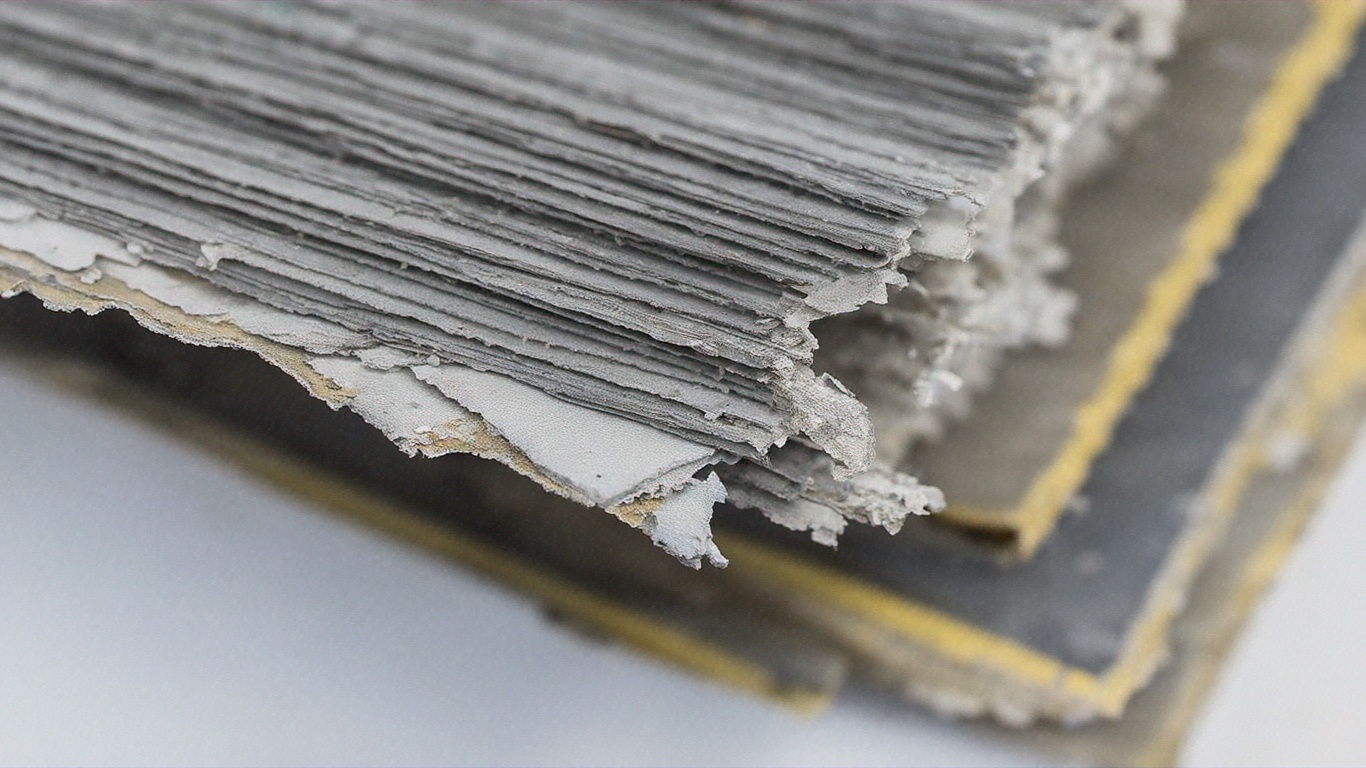
Professional field observations indicate that commercial renovations frequently uncover asbestos-containing materials that were not visible during routine maintenance. Materials such as vinyl floor tile, pipe insulation, textured ceiling finishes, roofing products, and boiler insulation often remain concealed until demolition begins.
Federal oversight from the Environmental Protection Agency and occupational safety requirements administered by OSHA establish important standards for asbestos handling. North Carolina also administers asbestos requirements through state environmental and health agencies that oversee notification and licensing requirements where applicable.
Local Impact on Commercial Properties
Commercial asbestos mitigation affects far more than regulatory compliance.
Property owners may experience:
Construction delays if asbestos is discovered after demolition begins.
Additional tenant coordination during occupied renovations.
Temporary access restrictions within portions of the building.
Increased project costs when asbestos planning occurs late.
Greater liability concerns if hazardous materials are disturbed improperly.
For businesses operating in busy commercial corridors near Interstate 85 or throughout the Kannapolis business district, minimizing disruption is often just as important as completing the project safely.
Warning Signs Your Commercial Property May Require Asbestos Mitigation
Commercial properties may require asbestos evaluation if any of these warning signs apply:
The building was constructed before the 1980s.
Planned renovations involve removing walls, flooring, ceilings, or insulation.
Mechanical rooms contain older insulated piping or boilers.
Damaged ceiling tiles or pipe insulation are present.
Older vinyl floor tiles are cracking or being removed.
Roofing materials are reaching the end of their service life.
Previous renovations did not document asbestos removal.
These signs do not confirm asbestos is present, but they indicate professional evaluation may be appropriate before disturbing building materials.
When to Call a Professional
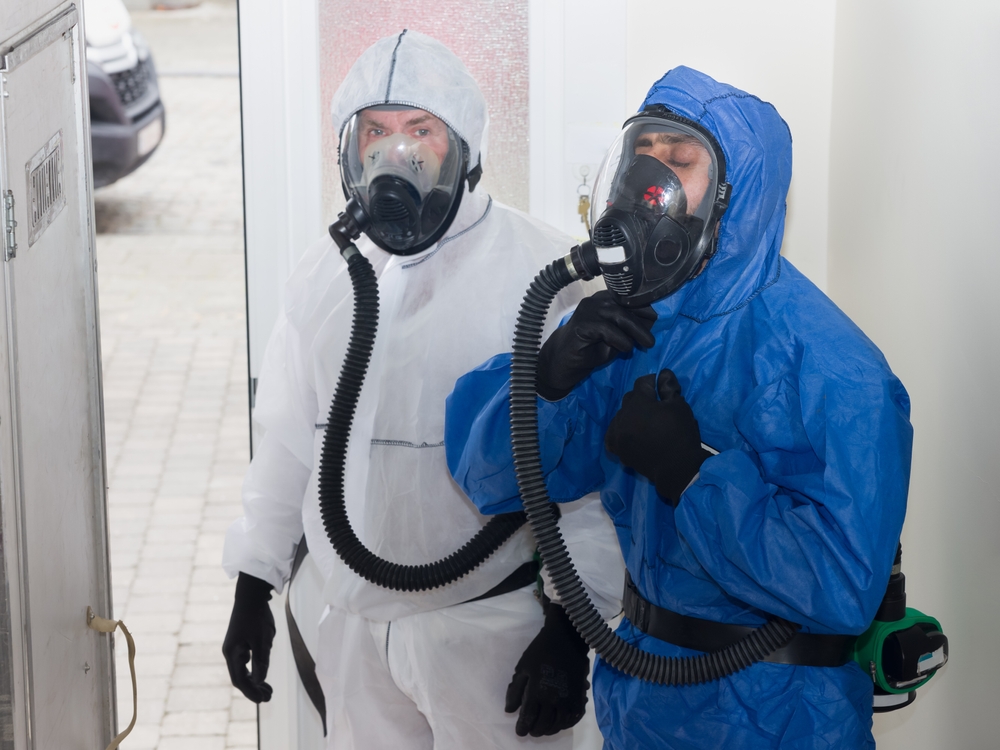
Professional asbestos evaluation is appropriate before renovation, demolition, or major maintenance activities disturb older building materials. Property owners can safely monitor visible damage and maintain existing materials that remain in good condition, but sampling, testing, containment, and removal should only be performed by qualified professionals following applicable regulations.
Commercial projects often involve multiple contractors, permitting schedules, and tenant occupancy concerns. Early asbestos planning helps reduce unexpected interruptions later in the project.
Common Local Causes of Asbestos Mitigation Needs
Several factors commonly lead commercial properties in the Kannapolis area to require asbestos mitigation.
Replacing HVAC equipment, plumbing systems, electrical infrastructure, or insulation may require access to areas containing older materials.
3. Redevelopment Projects
Commercial redevelopment throughout Kannapolis and nearby Concord often includes partial demolition that requires asbestos planning before construction begins.
4. Aging Building Materials
As older flooring, roofing, insulation, and ceiling materials deteriorate over time, property owners may choose removal during capital improvement projects.
Prevention and Maintenance
Commercial property owners can reduce project complications by taking several proactive steps.
Review original construction records when available.
Schedule asbestos inspections before designing major renovations.
Maintain undamaged materials rather than disturbing them unnecessarily.
Document previous asbestos abatement work for future reference.
Coordinate environmental planning early with architects and contractors.
Educate maintenance personnel about avoiding unnecessary disturbance of suspect materials.
Preventive planning often provides more flexibility than responding after unexpected discoveries during construction.
Expected Results from Professional Asbestos Mitigation
Professional asbestos mitigation helps commercial property owners move renovation projects forward with greater confidence.
Depending on the scope of work, owners can generally expect:
Identification of affected materials.
Appropriate containment procedures when necessary.
Safe removal or management strategies.
Documentation supporting regulatory compliance.
Improved protection for occupants and construction personnel.
Better coordination between environmental professionals and contractors.
Specific project outcomes depend on building conditions, renovation scope, and applicable regulatory requirements.
Common Mistakes Commercial Property Owners Make
Mistake: Beginning demolition before asbestos evaluation.
Consequence: Unexpected discoveries can halt construction and increase costs.
Better approach: Schedule inspections during project planning.
Mistake: Assuming previous renovations removed all asbestos.
Consequence: Remaining materials may still exist in untouched areas.
Better approach: Verify conditions through professional assessment.
Mistake: Allowing unqualified personnel to disturb suspect materials.
Consequence: Potential exposure and regulatory complications.
Better approach: Use qualified professionals for evaluation and mitigation.
Mistake: Waiting until permits are issued to address asbestos concerns.
Consequence: Project schedules may require revision.
Better approach: Include asbestos planning during early project development.
Common Local Scenario
A commercial property owner plans to renovate an older office building near Downtown Kannapolis to accommodate a new tenant. During preconstruction planning, an asbestos inspection identifies flooring materials and pipe insulation requiring mitigation before demolition begins. Addressing these materials before construction allows contractors to proceed with fewer unexpected interruptions while supporting occupant and worker safety.
Related Service Solutions
Commercial asbestos projects may involve several related services depending on building conditions, including:
Supports renovation, demolition, and regulatory planning
Requires project scheduling and qualified personnel
Delay evaluation until construction
No upfront assessment cost
Greater risk of delays and unexpected expenses later
Service Areas
We proudly serve commercial property owners throughout Kannapolis, Concord, Cabarrus County, Landis, China Grove, Harrisburg, and surrounding communities. Our goal is to help local businesses plan safer renovation and redevelopment projects while minimizing unnecessary disruptions.
The Cost of Ignoring the Issue
Ignoring potential asbestos concerns can result in delayed construction schedules, unexpected project costs, contractor downtime, and increased coordination challenges. For occupied commercial buildings, unplanned work interruptions may also affect tenants and daily business operations.
Do commercial buildings in Kannapolis always require asbestos inspections before renovations?
The answer depends on the building’s age and the planned work. Older commercial buildings in Kannapolis often benefit from asbestos inspections before renovation or demolition because hidden materials may be disturbed during construction.
Can businesses remain open during asbestos mitigation in Kannapolis?
The answer is sometimes. Many commercial projects are planned in phases to reduce disruption, although the appropriate approach depends on the location of asbestos-containing materials and the scope of work.
Are warehouses in Cabarrus County affected by asbestos concerns?
Yes. Older warehouses throughout Cabarrus County may contain asbestos in roofing materials, insulation, flooring, or mechanical systems installed before modern construction standards changed.
Does asbestos always need to be removed?
No. Intact asbestos-containing materials may sometimes remain safely managed if they are not damaged or disturbed. Professional evaluation determines the most appropriate management strategy.
Why should commercial property owners plan asbestos mitigation early?
The answer is that early planning helps reduce construction delays, improve contractor coordination, and support compliance with applicable requirements before demolition or renovation begins.
Are schools, offices, and retail buildings in Kannapolis affected differently?
Yes. Different commercial property types have unique occupancy patterns, maintenance schedules, and renovation requirements that influence asbestos planning and mitigation strategies.
What materials commonly contain asbestos in older commercial buildings?
The answer includes insulation, floor tile, ceiling materials, roofing products, pipe coverings, and some textured finishes installed before asbestos use declined.
How can property owners prepare before contacting an asbestos professional?
The answer is to gather available building records, renovation plans, previous environmental reports, and information about the building’s construction date. These details help support a more efficient project evaluation.
Closing
Commercial asbestos mitigation begins with informed planning. Property owners throughout Kannapolis and surrounding communities benefit from understanding potential risks before construction starts, allowing projects to move forward with greater confidence and fewer unexpected delays.
Protect Your Commercial Property with Proactive Planning
We are committed to helping commercial property owners make informed decisions about asbestos mitigation while supporting safer renovation and redevelopment projects throughout the Kannapolis area.
Buying or renovating an older home in Kannapolis can be exciting, but it also comes with unique challenges that many newer properties do not. Homes built decades ago often contain materials that were considered safe at the time but are now known to pose health risks if disturbed. Understanding where asbestos may be present can help you make informed decisions before starting demolition or remodeling.
Quick Answer
If you are buying or renovating an older home in Kannapolis, there is a possibility that asbestos-containing materials are present if the home was built before the 1980s. Asbestos is generally safest when left undisturbed and in good condition. However, renovation, demolition, or damage can release microscopic fibers into the air, making professional asbestos inspection and proper abatement an important step before beginning work.
What Local Readers Should Know
Many homes throughout Kannapolis and surrounding Cabarrus County were built during periods when asbestos-containing materials were commonly used.
Older neighborhoods may include homes with original flooring, insulation, siding, roofing, or textured ceiling materials that could contain asbestos.
Renovation projects that involve cutting, sanding, drilling, or demolition can disturb asbestos-containing materials and release fibers.
Professional testing is the only reliable way to confirm whether a material contains asbestos before renovation begins.
Planning for asbestos inspection before remodeling can help avoid costly delays and unexpected project changes.
Why This Matters Locally
Buying or remodeling an older home in Kannapolis often means working with construction materials that were installed decades ago. The city’s established residential neighborhoods, along with nearby communities such as Concord, Harrisburg, Landis, China Grove, and Midland, include many homes built before asbestos regulations changed.
Cabarrus County has experienced steady growth as buyers invest in existing homes rather than new construction. Renovation projects ranging from kitchen remodels to complete home additions frequently uncover older insulation, flooring adhesives, ceiling textures, or exterior materials that deserve careful evaluation before work continues.
Concord Asbestos Abatement and Mitigation LLP helps property owners identify potential asbestos concerns before renovations create unnecessary health risks. Once you’ve met us, we’ll simply refer to ourselves as we because our focus is helping local homeowners complete projects safely.
Local Data and Professional Field Observations
Professional field observations consistently show that older residential construction throughout the greater Kannapolis area may contain asbestos in multiple building components. While every property is different, homes constructed before the late twentieth century deserve extra attention before demolition or remodeling begins.
The Environmental Protection Agency and the North Carolina Department of Environmental Quality both emphasize that asbestos is most hazardous when damaged or disturbed, making proper identification an essential first step before renovation activities begin.
How Asbestos Can Affect Local Homeowners
Asbestos often remains hidden behind walls, beneath flooring, inside attic insulation, or around older mechanical systems. A remodeling project that starts with replacing flooring or opening walls may unexpectedly expose materials containing asbestos.
This can affect homeowners by:
Delaying renovation schedules
Increasing project costs if asbestos is discovered after demolition begins
Requiring specialized cleanup procedures
Creating potential exposure concerns for occupants and contractors
Complicating real estate transactions if hazardous materials are identified during inspections
Planning ahead allows renovations to move forward with fewer unexpected interruptions.
Warning Signs That Asbestos May Be Present
While only laboratory testing can confirm asbestos, several signs suggest that further evaluation may be appropriate.
The home was built before the 1980s.
Original vinyl floor tiles or adhesive remain in place.
Popcorn or textured ceilings have never been updated.
Older pipe insulation is still installed.
Cement siding or roofing materials appear original.
Old insulation surrounds furnaces or ductwork.
Previous remodeling uncovered unfamiliar gray or fibrous materials.
These signs do not guarantee asbestos is present, but they indicate that professional evaluation is a wise next step.
When to Call a Professional
Professional asbestos inspection should occur before disturbing suspicious materials during renovation. Homeowners can safely observe building materials without cutting, drilling, sanding, or removing them.
If your renovation plans involve demolition, replacing flooring, opening walls, removing ceilings, or updating older mechanical systems, professional sampling and testing should take place before construction begins. This approach helps protect everyone involved while keeping projects on schedule.
Common Local Causes of Asbestos Concerns
Older Construction
Homes built throughout Kannapolis during the mid twentieth century often incorporated asbestos into products valued for durability and heat resistance.
Remodeling Projects
Kitchen updates, bathroom renovations, basement finishing, and room additions frequently expose original building materials hidden beneath newer finishes.
Property Damage
Water leaks, storm damage, or aging building materials may cause deterioration that exposes previously sealed asbestos-containing products.
Real Estate Transactions
Home inspections often raise questions about older materials, prompting buyers to request additional testing before closing.
Prevention and Maintenance
The safest approach begins with knowing what materials are present before renovation starts.
Helpful prevention practices include:
Schedule asbestos inspection before demolition.
Leave suspected materials undisturbed until evaluated.
Avoid sanding, cutting, or breaking unknown materials.
Hire qualified professionals for sampling and removal.
Keep renovation contractors informed of inspection findings.
Maintain older materials that remain in good condition until professional guidance recommends replacement.
What Results Should You Expect?
Professional asbestos inspection provides homeowners with clear information about whether asbestos is present and where it is located.
If asbestos-containing materials are identified, an appropriate management or abatement plan can be developed based on the condition of the material and the scope of your renovation. Many projects proceed successfully once proper safety procedures have been completed.
Common Mistakes Homeowners Make
Mistake: Beginning demolition before testing.
Consequence: Renovation may stop unexpectedly while hazardous materials are evaluated.
Better Approach: Schedule inspection before construction begins.
Mistake: Assuming every older material contains asbestos.
Consequence: Unnecessary concern and potentially higher renovation costs.
Better Approach: Rely on laboratory testing instead of visual guesses.
Mistake: Removing suspicious materials without proper precautions.
Consequence: Fibers may become airborne during demolition.
Better Approach: Allow trained professionals to determine the safest course of action.
Common Local Scenario
A homeowner purchases an older property near downtown Kannapolis with plans to modernize the kitchen and remove several interior walls. During preparation, contractors notice original flooring beneath newer materials along with aging insulation around mechanical systems. Rather than continuing demolition, the homeowner arranges asbestos testing before work proceeds. The renovation timeline adjusts slightly, but the project continues with a clearer understanding of the home’s existing materials and appropriate safety measures.
Related Service Solutions
Depending on inspection results, homeowners may benefit from services such as:
Asbestos inspection
Material sampling and laboratory testing
Asbestos abatement
Encapsulation when appropriate
Safe material removal before remodeling
Post-abatement clearance testing where applicable
These services help prepare properties for remodeling while reducing unnecessary risks.
May not require immediate removal if in good condition
Requires monitoring and avoiding disturbance
Professional inspection
Identifies whether asbestos is actually present
Small upfront investment before renovation
Professional abatement
Allows renovation to proceed safely
Project timeline should include removal work
DIY demolition
Lower initial cost
May create significant health and regulatory concerns if asbestos is present
Service Areas
We proudly assist homeowners throughout Kannapolis, Concord, Cabarrus County, Harrisburg, Landis, China Grove, Midland, Mount Pleasant, and nearby communities. Whether you’re purchasing your first older home or planning a major renovation, we help you make informed decisions before construction begins.
The Cost of Ignoring the Issue
Ignoring potential asbestos during renovation can lead to project delays, additional cleanup costs, and avoidable exposure concerns. Addressing potential issues early often provides greater flexibility when planning renovations and helps contractors complete work more efficiently.
Yes. Homes built before modern asbestos regulations may contain asbestos in insulation, flooring, ceiling textures, roofing, siding, and other construction materials. Professional testing is the only way to confirm its presence.
Should I test for asbestos before renovating a home in Cabarrus County?
Yes. Testing before renovation helps identify materials that may require special handling, reducing unexpected delays once demolition begins.
Can I identify asbestos by looking at it?
No. Asbestos cannot be identified reliably through appearance alone. Laboratory analysis of collected samples is needed for accurate identification.
Is asbestos dangerous if it is left alone?
Generally, asbestos-containing materials that remain undamaged and undisturbed present much lower risk than materials that are cut, broken, or deteriorating. Renovation changes that situation, making inspection important.
What parts of an older Kannapolis home may contain asbestos?
Common locations include floor tiles, pipe insulation, attic insulation, roofing materials, siding, textured ceilings, adhesives, and certain cement products installed decades ago.
Should I remove all asbestos from my house?
Not necessarily. The appropriate solution depends on the material’s condition, its location, and your renovation plans. A professional evaluation helps determine the safest approach.
Will asbestos delay my renovation project?
Possibly, but identifying it before demolition often minimizes delays. Planning inspection early allows contractors to schedule any necessary work before remodeling begins.
Why should I hire a professional asbestos contractor?
Professional contractors follow established procedures for inspection, containment, and removal that help reduce exposure risks while preparing your home for safe renovation.
Ready to Renovate Your Older Home with Confidence?
Older homes can be wonderful investments, but understanding potential asbestos risks before remodeling helps protect your family, your contractors, and your renovation budget. We provide professional asbestos services that help homeowners throughout the Kannapolis area make informed decisions before construction starts.
Protect your renovation project from unexpected asbestos issues.
Older commercial buildings across Concord often hold hidden surprises behind walls, above ceilings, and beneath flooring. Whether you are renovating a warehouse, redeveloping a retail space, or preparing a historic storefront for demolition, asbestos-containing materials may still be present. Identifying these materials before demolition protects workers, keeps projects moving, and helps avoid costly regulatory issues.
Quick Answer
Commercial properties scheduled for demolition should undergo asbestos testing before any structural work begins. California regulations require asbestos surveys before demolition activities, especially in older buildings where asbestos-containing materials may be present. Asbestos testing helps property developers, investors, and contractors identify hazards early, plan safe removal when necessary, and avoid unexpected project delays.
What Local Readers Should Know
Commercial buildings constructed before the 1980s in Concord are more likely to contain asbestos in insulation, flooring, roofing, pipe wrap, and ceiling materials.
Downtown Concord’s historic storefronts and older warehouses often include original construction materials that require careful inspection before demolition.
Contra Costa County projects may require compliance with local, state, and federal asbestos regulations before demolition permits proceed.
Identifying asbestos before demolition reduces the risk of contamination, worker exposure, and expensive project interruptions.
Commercial property developers and investors can better estimate renovation or demolition costs by scheduling asbestos testing early in the planning process.
Why This Matters Locally
Safe demolition is especially important throughout Concord because many commercial buildings were constructed during decades when asbestos was commonly used in building materials. Areas near Todos Santos Plaza, older industrial corridors, and long-standing commercial districts often include structures built before modern asbestos restrictions.
Commercial redevelopment continues throughout Contra Costa County as investors purchase aging buildings for renovation, adaptive reuse, or complete replacement. Understanding potential environmental hazards before demolition helps projects stay on schedule while protecting neighboring businesses and the surrounding community.
At Concord Asbestos Abatement and Mitigation LLP, we help commercial property owners and developers identify asbestos risks before demolition begins, allowing projects to move forward with greater confidence.
Local Data and Professional Field Observations
California maintains some of the nation’s most comprehensive asbestos regulations through agencies such as Cal/OSHA and the California Air Resources Board. These regulations require asbestos inspections before many demolition activities and establish procedures for handling regulated materials safely.
From our professional field observations, older commercial properties throughout the Concord area frequently contain asbestos in multiple building systems. Warehouses, office buildings, manufacturing facilities, and historic retail properties often reveal asbestos during pre-demolition inspections, even after previous renovations.
Local Impact
Asbestos discoveries during demolition can quickly affect project budgets and schedules. For commercial property developers and investors, an unexpected work stoppage may delay tenant improvements, financing milestones, or property sales.
Early asbestos testing allows project teams to coordinate environmental services before demolition contractors mobilize equipment. This proactive approach reduces downtime and supports safer working conditions throughout the redevelopment process.
Warning Signs That Asbestos Testing Is Needed
Commercial property owners should consider asbestos testing if they notice any of the following:
The building was constructed before the early 1980s.
Original floor tiles, ceiling tiles, or insulation remain in place.
Demolition plans involve disturbing walls, ceilings, or mechanical systems.
Historic building records indicate original construction materials remain intact.
When to Call a Professional
Commercial property owners can review construction records and identify a building’s approximate age, but they should not attempt to determine whether materials contain asbestos through visual inspection alone.
Professional asbestos testing should occur before demolition planning advances. Certified inspectors collect representative samples, coordinate laboratory analysis, and document findings so developers can make informed decisions before construction crews begin work.
Common Local Causes of Asbestos in Commercial Buildings
The most common reason asbestos is found in Concord commercial properties is simply building age. Materials manufactured for decades commonly incorporated asbestos because of its heat resistance and durability.
Additional contributing factors include:
Original construction materials that have remained undisturbed for decades.
Multiple renovations that covered asbestos-containing materials instead of removing them.
Aging roofing systems installed before asbestos restrictions.
Mechanical rooms with older insulation around boilers, ducts, or piping.
Historic downtown buildings that have retained many original building components.
Prevention and Planning
The best way to prevent asbestos-related delays is to include environmental testing during the earliest stages of redevelopment planning.
Commercial property developers and investors should:
Schedule asbestos inspections before purchasing older buildings whenever possible.
Budget for environmental assessments during project planning.
Review historical renovation records.
Coordinate demolition schedules after inspection results are available.
Allow sufficient time for asbestos abatement if regulated materials are identified.
Expected Results from Early Asbestos Testing
Early asbestos testing provides developers with clearer information about project conditions before demolition begins.
Depending on inspection findings, property owners can expect:
Identification of asbestos-containing materials requiring management.
Better coordination between environmental consultants and demolition contractors.
Fewer unexpected interruptions once demolition begins.
More accurate budgeting for redevelopment activities.
Common Mistakes
Mistake: Assuming a previous renovation removed all asbestos.
Consequence: Hidden materials may still be present, creating unexpected delays during demolition.
Better Approach: Complete a new asbestos inspection before demolition, regardless of prior remodeling history.
Mistake: Waiting until demolition crews arrive to schedule testing.
Consequence: Work may stop while inspections and laboratory analysis are completed.
Better Approach: Include asbestos testing during pre-construction planning.
Mistake: Believing only insulation contains asbestos.
Consequence: Flooring, roofing, ceiling materials, adhesives, and other products may be overlooked.
Better Approach: Conduct a comprehensive inspection covering all suspect materials.
Common Local Scenario
A commercial property developer purchases an older warehouse near Concord’s industrial district with plans for redevelopment. During early planning, an asbestos inspection identifies regulated materials within pipe insulation and floor tile adhesive. Because testing occurred before demolition contracts were finalized, the project team adjusts scheduling, completes required abatement, and proceeds with demolition according to plan instead of experiencing costly delays after work begins.
Related Service Solutions
Commercial demolition projects often benefit from several related environmental services, including:
Allows demolition to proceed with better coordination when asbestos is present
Additional planning and scheduling required
Service Areas
We assist commercial property owners, developers, and investors throughout Concord, Walnut Creek, Pleasant Hill, Martinez, Pittsburg, and surrounding communities across Contra Costa County. Our services support redevelopment projects involving office buildings, warehouses, retail centers, and historic commercial properties.
The Cost of Ignoring the Issue
Skipping asbestos testing before demolition can result in work stoppages, project delays, increased cleanup costs, and regulatory complications. Early identification allows commercial property developers and investors to make informed decisions while reducing unexpected disruptions during redevelopment.
Is asbestos testing required before commercial demolition in Concord?
Yes. Most commercial demolition projects involving older buildings require asbestos inspections before demolition activities begin. Testing helps determine whether regulated asbestos-containing materials are present and supports compliance with applicable California regulations.
Why are downtown Concord commercial buildings more likely to need asbestos testing?
Many historic storefronts and older commercial structures in the downtown area were built when asbestos-containing materials were commonly used. Their age increases the likelihood that asbestos remains within original construction materials.
Can commercial property developers test for asbestos themselves?
No. Visual inspections cannot confirm whether materials contain asbestos. Laboratory testing performed on properly collected samples provides reliable identification and supports informed demolition planning.
What building materials commonly contain asbestos in Contra Costa County commercial properties?
Common materials include pipe insulation, floor tile, mastic adhesives, roofing products, ceiling tiles, fireproofing materials, and textured coatings installed before asbestos regulations changed.
Does asbestos always delay demolition projects?
No. Early asbestos testing allows project teams to identify potential issues before demolition begins. If asbestos is present, appropriate planning can help minimize disruption to the overall redevelopment schedule.
Should investors order asbestos testing before purchasing an older commercial property in Concord?
Yes. Pre-purchase environmental due diligence provides valuable information about potential remediation costs and helps investors evaluate redevelopment budgets before closing on older commercial buildings.
How long before demolition should asbestos testing be scheduled?
Asbestos testing should be scheduled as early as possible during project planning. Early inspections provide sufficient time for laboratory analysis, regulatory planning, and any necessary asbestos abatement before demolition starts.
Does every older commercial building contain asbestos?
No. While many older buildings contain asbestos-containing materials, not every structure does. Professional testing provides accurate information rather than relying on assumptions based on a building’s age.
Closing
Commercial redevelopment starts with understanding the condition of the property before demolition begins. Early asbestos testing helps commercial property developers and investors make informed decisions, improve project planning, and reduce unexpected delays throughout the redevelopment process.
Protect Your Commercial Demolition Project from Unexpected Delays
Planning ahead starts with accurate asbestos testing and informed project decisions.
If you own an older home in North Carolina and are planning a renovation, one of the most important questions you can ask is whether asbestos testing is necessary before breaking ground. The short answer is: quite possibly, yes. Depending on the age of your home and the scope of your project, asbestos testing could be not only a smart precaution but a legal requirement.
Understanding what the law says, what risks are involved, and how to find a qualified professional can save you from serious health and legal consequences down the road.
Why Asbestos Is a Concern in Older Homes
Asbestos was widely used in home construction throughout most of the 20th century. Before its health hazards were fully understood, builders relied on it heavily for insulation, floor tiles, ceiling tiles, roofing materials, pipe insulation, and joint compounds. Homes built before 1980 are especially likely to contain asbestos-containing materials (ACMs), though some products used into the 1990s may also contain trace amounts.
When ACMs are left undisturbed, they generally do not pose an immediate health risk. The danger arises when those materials are cut, drilled, sanded, or demolished, which releases microscopic fibers into the air. Inhaling asbestos fibers is linked to serious illnesses including mesothelioma, asbestosis, and lung cancer, all of which can take decades to develop after exposure. This is precisely why remodeling older homes without proper asbestos testing can be so hazardous, both for the workers involved and the families living in the home.
What North Carolina Law Says About Asbestos Testing
North Carolina has specific asbestos regulations that homeowners and contractors must understand before beginning any renovation or demolition project. The state follows guidelines closely aligned with the federal National Emission Standards for Hazardous Air Pollutants (NESHAP), administered by the Environmental Protection Agency (EPA), as well as regulations enforced by the NC Department of Labor and the NC Department of Environmental Quality (NCDEQ).
Under these asbestos regulations, any renovation or demolition project that involves a facility above a certain size threshold may require a pre-renovation asbestos survey conducted by a qualified professional. While single-family homes used exclusively as residences are often treated differently from commercial or public buildings under NESHAP, North Carolina contractors and homeowners should not assume they are exempt. The NC Asbestos Hazard Management Program outlines requirements for inspections, notifications, and abatement procedures that apply in a range of scenarios.
If a contractor disturbs regulated amounts of asbestos-containing materials without following proper procedures, both the contractor and potentially the homeowner can face significant fines and liability. In NC, it is strongly advised, and often required, that a pre-renovation asbestos survey be completed before any work begins on structures that may contain ACMs.
When Is Asbestos Testing Required in North Carolina?
The requirement for asbestos testing in NC depends on several factors, including the type of structure, the age of the building, and the nature of the work being done. For residential remodeling projects, here is a breakdown of when testing becomes particularly critical.
If your home was built before 1980, a pre-renovation asbestos survey is strongly recommended before any work that will disturb walls, floors, ceilings, or mechanical systems. Even if testing is not legally mandated for your specific residential project, the risks of skipping it are significant. Many contractors in North Carolina now require proof of asbestos testing before they will begin work, particularly for demolition or gut-renovation projects.
Commercial properties, schools, and public buildings in NC are held to stricter standards. For these structures, a pre-renovation asbestos survey conducted by an accredited asbestos inspector is required by law before any renovation or demolition activity. Failure to comply can result in enforcement actions from the NCDEQ or federal EPA.
Homeowners in cities like Concord, NC and surrounding areas in the greater Charlotte region should be especially attentive, given the significant number of mid-century homes in these communities. If you are remodeling a home in Concord, NC, it is worth consulting with a local accredited asbestos inspector who understands both state and local requirements.
How to Find an Accredited Asbestos Inspector in North Carolina
Hiring the right professional is one of the most important steps in the asbestos testing process. In North Carolina, asbestos inspectors must be accredited through the NC Asbestos Hazard Management Program, which falls under the NC Department of Health and Human Services (NCDHHS) and the NCDEQ. This accreditation ensures that the inspector has completed the required training and is qualified to properly identify and assess asbestos-containing materials.
When searching for an accredited asbestos inspector in NC, look for professionals who hold current state accreditation and carry appropriate insurance. A qualified inspector will conduct a thorough visual assessment and collect samples of suspected materials, which are then sent to a certified laboratory for analysis. The results of this pre-renovation asbestos survey will tell you exactly which materials in your home contain asbestos and at what concentration levels.
Be cautious of contractors who offer to assess asbestos informally or who suggest skipping the testing phase to save time or money. Proper asbestos testing by a licensed, accredited professional is the only reliable way to know whether your home poses a risk. In a city like Concord, NC, where older neighborhoods are undergoing significant renovation activity, the demand for qualified inspectors is high, so scheduling early is advisable.
Once asbestos is identified, a separate accredited abatement contractor must be hired to safely remove or encapsulate the materials before renovation work can begin. North Carolina law requires that abatement work be performed by licensed professionals and that certain notifications be submitted to the NCDEQ before work starts. These are not steps that can be skipped or handled by unlicensed workers.
What Happens If You Skip Asbestos Testing?
Skipping asbestos testing before a remodel carries substantial risks on multiple levels. From a health perspective, disturbing hidden ACMs without proper precautions can contaminate your entire home with airborne asbestos fibers, putting your family, contractors, and neighbors at risk. Cleanup after an uncontrolled asbestos release is expensive and complex, often requiring professional decontamination of the affected area.
From a legal standpoint, failing to comply with North Carolina asbestos regulations can result in serious consequences. Contractors who violate NESHAP or state asbestos requirements can face fines from the EPA or NCDEQ. Homeowners who knowingly allow non-compliant work to proceed may also bear some responsibility. Additionally, if you sell your home in the future, undisclosed asbestos issues discovered by a buyer could expose you to legal liability.
There is also a financial dimension to consider. Addressing asbestos contamination after the fact is almost always far more costly than conducting proper asbestos testing and abatement upfront. A pre-renovation asbestos survey is a relatively modest investment compared to the potential costs of emergency remediation, medical expenses, or legal fees.
Remodeling older homes in North Carolina is a rewarding investment, but it comes with responsibilities. Taking the time to conduct proper asbestos testing before your project begins is not just about compliance; it is about protecting everyone involved.
Conclusion
Asbestos testing before remodeling is a critical step for homeowners in North Carolina, particularly those with homes built before 1980. Whether you are renovating in Concord, NC or elsewhere in the state, understanding NC asbestos regulations and hiring an accredited asbestos inspector to perform a pre-renovation asbestos survey can protect your health, your investment, and your legal standing. Do not let cost or convenience tempt you into skipping this essential process. When it comes to asbestos, the risks are simply too high to ignore.
Need Remediation Services in Concord, NC?
Here at Concord Asbestos Abatement and Mitigation LLP, we take pride in providing top-notch remediation services tailored to meet your needs. As a family-owned and -operated business, we understand the importance of keeping your home or business safe and worry-free. Our knowledgeable team is committed to delivering exceptional service, maintaining cost-effective solutions, and ensuring every job site is left in pristine condition. Contact us today to schedule your consultation and experience the Concord difference!
If you own a home or commercial building in Concord, NC, it is important to understand why asbestos may still be present in local structures. Asbestos was widely used throughout the United States for decades because of its durability, fire resistance, and insulating properties. Builders relied on it in roofing materials, insulation, floor tiles, ceiling textures, siding, and even some types of cement products. Although its use has significantly declined due to health concerns, many properties constructed before the 1980s may still contain asbestos-containing materials.
Concord has a mix of historic homes, mid century properties, and newer developments. If your property was built before modern regulations limited asbestos use, there is a reasonable chance that some original materials remain in place. Even if a home has been partially renovated, asbestos can still be hidden behind walls, under flooring, or above ceilings. Because asbestos fibers are microscopic and cannot be seen with the naked eye, the presence of asbestos is not always obvious without professional evaluation.
The health risks associated with asbestos exposure are serious. When disturbed, asbestos fibers can become airborne and inhaled. Long term exposure has been linked to lung cancer, mesothelioma, and asbestosis. For this reason, recognizing the potential signs of asbestos in homes is the first step toward protecting your family, tenants, or employees. Awareness allows property owners to take proactive steps, including scheduling asbestos testing in Concord, NC when needed.
The Age of Your Property and Construction Materials
One of the most reliable indicators that asbestos may be present is the age of the building. Homes and commercial properties constructed before 1980 are more likely to contain asbestos in some form. While not every older property includes asbestos materials, the probability increases significantly with age.
Common materials that may contain asbestos include popcorn ceilings, vinyl floor tiles, pipe insulation, furnace insulation, roofing shingles, and exterior siding. In older homes in Concord, textured ceiling coatings applied between the 1950s and 1970s often contained asbestos for added fire resistance and durability. Similarly, nine inch floor tiles from mid century construction frequently included asbestos fibers.
Pipe wrap insulation in basements or crawl spaces is another area of concern. If you notice white, gray, or chalky insulation around pipes, particularly in an older home, it should not be disturbed. Crumbling insulation is especially risky because it may release fibers into the air.
It is important to understand that visual inspection alone cannot confirm the presence of asbestos. Materials that look similar may or may not contain it. That is why property owners who suspect asbestos based on the age of their building should consider arranging an asbestos inspection in Concord, NC. A professional inspection involves careful sampling and laboratory analysis to determine whether asbestos is present.
Visible Deterioration and Damage to Suspect Materials
Another key factor to consider is the condition of materials that may contain asbestos. Asbestos becomes most dangerous when it is damaged, deteriorating, or disturbed during renovations. Cracks in ceiling texture, broken floor tiles, or crumbling insulation can all increase the risk of fiber release.
Water damage is a common trigger for deterioration. Leaks from roofs, plumbing, or HVAC systems can weaken materials and cause them to break down over time. In Concord, seasonal storms and humidity can contribute to moisture issues in older homes. If you notice sagging ceilings, peeling insulation, or soft spots in walls, these areas should be evaluated carefully.
Renovation projects are another situation where asbestos risk increases. Drilling into walls, sanding floors, removing old tile, or scraping textured ceilings can release fibers if the material contains asbestos. Many property owners first discover potential issues when planning remodeling work. If your home improvement plans involve disturbing older building materials, it is wise to pause and schedule asbestos testing in Concord, NC before proceeding.
It is also important not to attempt to collect samples yourself. Improper handling can release fibers into your living space. Certified professionals use protective equipment and controlled methods to safely obtain samples for laboratory analysis. This approach reduces the risk of exposure while providing accurate results.
Health Symptoms and Environmental Clues
While asbestos related illnesses often develop after long term exposure, certain environmental clues may signal a problem. If your property has undergone recent demolition, remodeling, or storm damage and dust levels seem unusually high, this may warrant further investigation. Fine dust accumulating near renovation areas in older buildings could contain various hazardous particles, including asbestos if suspect materials were disturbed.
It is important to note that asbestos fibers are not visible to the naked eye, and there is no distinctive smell. Therefore, you cannot rely on your senses alone to detect it. Instead, the focus should remain on risk factors such as building age, material type, and recent disturbances.
In some cases, property owners become concerned after learning that neighboring homes built around the same time tested positive for asbestos. Because builders often used similar materials in entire developments, this information can serve as a valuable clue. If nearby properties in Concord have required remediation, it may be prudent to consider an asbestos inspection in Concord, NC for your own property.
Health symptoms related to asbestos exposure typically do not appear immediately. Conditions such as mesothelioma or asbestosis can take decades to develop. However, if you or others in your household have a history of working around construction materials or performing extensive renovations in an older home, discussing potential exposure with a medical professional may provide peace of mind.
Professional Inspection and Testing as the Only Reliable Confirmation
Ultimately, the only way to confirm whether your Concord property contains asbestos is through professional evaluation and laboratory testing. Visual assessments, online guides, and neighbor reports can suggest the possibility, but they cannot provide certainty.
A certified inspector will conduct a thorough assessment of the property, identifying materials that are likely to contain asbestos. Small samples are carefully collected and sent to an accredited laboratory for analysis. The results will indicate whether asbestos fibers are present and, if so, in what concentration.
Choosing qualified professionals for asbestos testing in Concord, NC ensures that the process follows state and federal regulations. Proper documentation is especially important if you plan to sell your property, complete renovations, or manage a commercial building. Buyers and tenants may request confirmation that the property has been evaluated for hazardous materials.
If asbestos is found, professionals can recommend the most appropriate course of action. In some cases, materials that are intact and undisturbed can be left in place and monitored. In other situations, encapsulation or removal may be necessary. Each scenario depends on the condition of the material, its location, and the intended use of the space.
Taking action early can prevent costly complications later. By addressing potential concerns before beginning renovations or listing a property for sale, you reduce liability and protect occupants from unnecessary exposure.
Conclusion
Determining whether your Concord, NC property may contain asbestos requires careful consideration of several factors. The age of the building, the presence of specific construction materials, visible deterioration, and recent renovations all play a role in assessing risk. While these indicators can raise suspicion, they cannot provide definitive answers.
Because asbestos fibers are invisible and hazardous when disturbed, professional evaluation is the safest and most reliable path forward. Scheduling an asbestos inspection in Concord, NC allows trained experts to identify and test suspect materials properly. Laboratory analysis provides clear results, giving you the information needed to make informed decisions about your property.
Whether you are planning a renovation, purchasing an older home, or simply seeking peace of mind, asbestos testing in Concord, NC is a proactive step toward ensuring a safe indoor environment. Recognizing the signs of asbestos in homes and responding promptly can protect your health, preserve your property value, and provide confidence that your space is secure for years to come.
Need Remediation Services in Concord, NC?
Here at Concord Asbestos Abatement and Mitigation LLP, we take pride in providing top-notch remediation services tailored to meet your needs. As a family-owned and -operated business, we understand the importance of keeping your home or business safe and worry-free. Our knowledgeable team is committed to delivering exceptional service, maintaining cost-effective solutions, and ensuring every job site is left in pristine condition. Contact us today to schedule your consultation and experience the Concord difference!