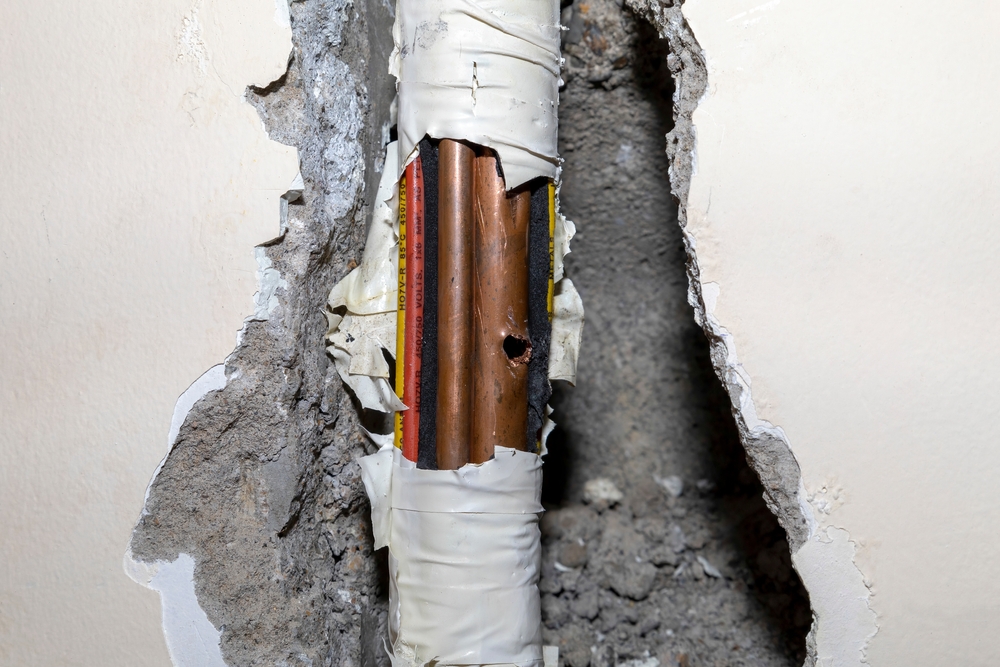
Water damage can strike without warning, leaving behind a trail of costly repairs, health hazards, and major disruptions. Whether caused by a burst pipe, heavy rains, or malfunctioning appliances, it’s essential to act fast when water damage occurs. If you live or operate a business in Concord, NC, understanding effective water damage mitigation can save you thousands in repairs and help preserve the structural integrity of your property.
In Concord, water damage services are essential for homeowners and business owners alike, especially in seasons when flooding is more prevalent. The following guide outlines what you should do immediately after discovering water damage and the key steps to mitigate its impact before professionals arrive.
The First Critical Hours: Immediate Response is Key
The first few hours after discovering water damage are crucial. Quick decision-making can drastically reduce the extent of the damage and prevent long-term complications. If you find standing water in your home or business, your first step should be to identify and stop the source. This could be a leaking pipe, a faulty appliance, or water entering from outside. Turn off your main water supply if needed, and cut off electricity to affected areas to avoid electrical hazards.
Once you’ve addressed the immediate source, begin emergency water removal. In Concord, emergency water removal services are widely available and can provide fast response times, but it helps to start the process as soon as possible. Use mops, towels, and wet/dry vacuums to begin extracting water. Keep in mind that water can seep into floorboards, behind walls, and under furniture, so surface drying is only the beginning.
Notify your insurance provider right away. Most homeowners’ and business insurance policies cover water damage, but they typically require quick reporting and documentation. Take clear photos of the damage, including affected furniture, walls, flooring, and any electronic equipment. This will support your insurance claim and ensure you receive proper compensation for the loss.
Professional Water Damage Mitigation Services in Concord, NC
When it comes to water damage mitigation, time and experience are everything. Professional companies in Concord, NC offer comprehensive mitigation services that include water extraction, structural drying, mold prevention, and restoration. These experts use commercial-grade equipment like air movers, dehumidifiers, and infrared cameras to detect and remove moisture from places that aren’t visible to the naked eye.
Hiring a professional mitigation service is more than just convenience. It’s about ensuring that your home or business is thoroughly dried and treated to prevent mold growth and structural deterioration. Many Concord, water damage services include 24/7 emergency response, meaning they can be onsite within hours to begin the cleanup and drying process.
Mitigation professionals will conduct a full moisture assessment to identify all affected areas. They will remove baseboards, drill small holes in drywall to allow airflow, and may even pull up flooring to dry subflooring materials. While this might seem extreme, it’s a necessary part of effective flood cleanup in Concord, NC, to avoid hidden damage that could lead to larger issues down the road.
Preventing Mold and Structural Damage After Flooding
One of the biggest risks associated with water damage is the development of mold. Mold thrives in moist environments and can begin growing within 24 to 48 hours of water exposure. Not only can it damage building materials, but it also poses significant health risks, especially for those with respiratory conditions or allergies.
To prevent mold after flood cleanup in Concord, NC, it’s critical to maintain low humidity levels inside the affected space. Dehumidifiers should run continuously until moisture levels return to normal. Professional services often use moisture meters to monitor these levels, ensuring that the drying process is complete before repairs begin.
If any insulation, drywall, or carpet padding is soaked, it should be removed and replaced. These materials can retain moisture and promote mold growth even after surface drying. Wood materials like framing and subfloors may need antimicrobial treatment to kill spores and prevent future infestations.
Structural damage is another concern, particularly with prolonged exposure to water. Wood can warp, drywall can weaken, and foundations can crack. By using qualified water damage mitigation professionals in Concord, you reduce the risk of long-term structural issues that can cost thousands to repair.
Restoring Your Home or Business to Pre-Damage Condition
After the water has been extracted and the area has been fully dried, the next phase is restoration. This step involves repairing or replacing materials that were removed during the mitigation process. In Concord, water damage services often include full restoration, covering everything from drywall repair to repainting, flooring installation, and fixture replacement.
For businesses, restoration is not just about aesthetics but also about functionality. Office equipment, inventory, and technology may need to be repaired or replaced. Working with a mitigation company that understands commercial needs is essential for reducing downtime and resuming operations as quickly as possible.
Restoration is also an opportunity to improve water resilience for the future. Consider installing flood barriers, sump pumps, or water detection systems that alert you to leaks early. Reinforcing vulnerable areas, such as basement foundations or roof joints, can also prevent future incidents.
Be sure to communicate with your insurance company throughout the restoration process. They may require inspections or estimates from licensed contractors to approve claims. Keeping organized records of all work performed and materials replaced will support your case and ensure you receive full reimbursement for covered losses.
Choosing the Right Water Damage Experts in Concord
Not all water damage mitigation services are created equal. When selecting a service provider in Concord, NC, look for a company that is licensed, insured, and IICRC-certified. The Institute of Inspection, Cleaning and Restoration Certification (IICRC) ensures that technicians are trained in the latest water damage recovery methods and safety standards.
Reputation also matters. Look for companies with positive local reviews, strong references, and a track record of handling emergency water removal in Concord effectively. Availability is another key factor. Water damage doesn’t wait for business hours, so make sure the company you choose offers 24/7 response.
Ask for a clear estimate and breakdown of services. A reputable company will walk you through their process and explain each step of the cleanup, drying, and restoration. They should also help coordinate directly with your insurance company, reducing your stress during an already overwhelming situation.
By investing in high-quality water damage mitigation from a trusted Concord provider, you’re not just repairing your property; you’re protecting your home or business from future risks and losses.
Conclusion
Water damage is one of the most stressful and disruptive emergencies a property owner can face. Whether you’re dealing with a minor leak or a major flood, taking immediate action is essential. In Concord, NC, where seasonal storms and unexpected plumbing issues can lead to significant water intrusion, having a plan in place can make all the difference.
Begin by stopping the source and initiating emergency water removal. Contact professional Concord, water damage services to begin thorough mitigation, including structural drying and mold prevention. Follow through with restoration and take steps to protect your property from future incidents.
Handling water damage quickly and efficiently minimizes costs, protects your health, and preserves the long-term value of your home or business. With the right team and tools, you can recover from water damage with confidence and peace of mind.
Let Concord’s trusted water damage experts guide you through the process and get your space back to normal, faster and safer.
Need Remediation Services in Concord, NC?
Here at Concord Asbestos Abatement and Mitigation LLP, we take pride in providing top-notch remediation services tailored to meet your needs. As a family-owned and -operated business, we understand the importance of keeping your home or business safe and worry-free. Our knowledgeable team is committed to delivering exceptional service, maintaining cost-effective solutions, and ensuring every job site is left in pristine condition. Contact us today to schedule your consultation and experience the Concord difference!
Water damage is one of the most stressful challenges homeowners face. Whether it’s the result of heavy rainfall, a burst pipe, or an appliance failure, the consequences can extend far beyond soggy carpets and damaged drywall. In Concord, NC, the humid climate can turn a minor leak into a serious mold problem within days if not addressed quickly and properly. That’s why mold prevention is a critical part of water damage recovery.
This article explores how Concord property owners can prevent mold growth after water damage, why immediate action matters, and where to find trusted local professionals for water damage mold cleanup and remediation.
Understanding Mold Growth After Water Damage
Mold is a naturally occurring fungus that thrives in damp environments. When water infiltrates your home, it only takes about 24 to 48 hours for mold spores to begin colonizing porous materials such as drywall, wood, carpeting, and insulation. This makes it imperative to act quickly following any form of water intrusion.
In Concord, where humidity levels can remain high throughout the year, mold growth can become aggressive and widespread if ignored. Water damage from flooding, roof leaks, or plumbing mishaps becomes a breeding ground for mold. Not only does mold compromise your property’s structural integrity, but it also presents serious health risks. Individuals with asthma, allergies, or compromised immune systems may experience worsening symptoms due to mold exposure.
Once mold takes root, it can be difficult to remove without professional intervention. That’s why homeowners must treat water damage as both a structural emergency and a mold prevention opportunity.
Step One: Immediate Water Extraction and Drying
The first and most crucial step in preventing mold is rapid water removal. Time is of the essence. Within just a few hours, materials such as carpets, wood floors, and insulation can soak up significant moisture. If left untreated, the lingering dampness becomes the perfect environment for mold to thrive.
Residents of Concord, NC, should contact water mitigation experts at the earliest sign of water intrusion. These professionals are trained to assess the extent of the damage, begin the drying process, and set up industrial-grade dehumidifiers and air movers to dry the affected areas thoroughly. In cases of severe flooding or plumbing failure, attempting to dry out your home on your own may not be enough. The right drying equipment can make the difference between a clean recovery and a mold outbreak.
Dealing with moisture immediately not only reduces the risk of mold growth but also prevents other complications such as wood rot, foundation weakening, and bacteria buildup. Local Concord, NC, water mitigation experts understand the specific environmental conditions in the area and are equipped to provide a fast, effective response.
Step Two: Inspecting and Removing Contaminated Materials
After the initial water extraction and drying, it’s essential to inspect all affected materials for signs of mold or saturation. Some materials, especially those that are porous or semi-porous, may need to be discarded even if they appear dry. This includes items such as ceiling tiles, insulation, drywall, and upholstered furniture.
In Concord, homeowners often underestimate how deep water can penetrate behind walls and under floors. A certified mold inspector or remediation specialist will use tools such as moisture meters and thermal imaging cameras to identify hidden moisture pockets. If mold is discovered, immediate removal and safe disposal of contaminated materials are required.
It’s not just about removing visible mold; spores can linger in the air and spread to unaffected parts of the home. That’s why professional asbestos & mold remediation in Concord is often necessary. Older homes may contain asbestos-containing materials that complicate the cleanup process. Proper containment and certified remediation practices are essential to ensure safety during demolition or cleanup.
Step Three: Disinfection and Air Quality Treatment
Even after water is removed and affected materials are discarded, the job isn’t complete. Bacteria, mold spores, and other pathogens can still linger on surfaces and in the air. This is where disinfection becomes critical.
Professional mold prevention includes applying antimicrobial treatments to all affected areas. These EPA-approved solutions help eliminate residual spores and reduce the likelihood of future growth. Equally important is air quality treatment. HEPA filtration devices, air scrubbers, and ozone machines may be used to purify the indoor environment and ensure that mold spores do not continue to circulate.
In Concord, NC, where spring and summer bring high humidity, indoor air quality can rapidly deteriorate after water damage. Homes without proper ventilation or dehumidification are especially vulnerable. After disinfection, it’s recommended to continue monitoring humidity levels and maintain indoor air at less than 50% relative humidity to discourage mold from returning.
For families with young children, elderly members, or individuals with respiratory sensitivities, professional-grade air purification is a vital part of a safe home restoration process.
Step Four: Partnering with Local Experts for Long-Term Prevention
Preventing mold after water damage isn’t just a one-time event. Homeowners must remain vigilant to avoid future issues. Partnering with local Concord, NC, water mitigation experts can provide the long-term support needed for ongoing safety and protection.
Routine inspections, maintenance of plumbing systems, roof and gutter checks, and moisture monitoring are all part of a comprehensive mold prevention plan. Additionally, professionals can help identify problem areas such as poorly ventilated attics or crawlspaces, which are common mold hotspots.
If you’ve already experienced water damage in Concord, you should consider scheduling a follow-up evaluation with a local mold remediation specialist. They can recommend preventative upgrades such as sump pump installations, vapor barriers, or advanced dehumidifiers tailored to the local climate. If you’re buying or selling a home in Concord, mold inspections are also advisable during the real estate process.
Should you suspect that mold is already present or you’re dealing with a complex cleanup involving hazardous materials, contacting certified asbestos & mold remediation providers in Concord ensures your home is handled with care and compliance with safety standards.
Conclusion
Water damage can strike unexpectedly, but mold growth doesn’t have to be inevitable. With swift action and the right approach, Concord property owners can protect their homes from the long-term consequences of mold infestation. By prioritizing professional water extraction, inspecting and removing compromised materials, and treating both surfaces and indoor air, the foundation for effective mold prevention is established.
For those living in Concord, NC, water mitigation experts play a crucial role in turning water disasters into recoverable events. Their localized knowledge, tools, and certifications are invaluable in tackling mold risks head-on. Whether you’re dealing with minor water intrusion or major flooding, don’t wait for mold to take hold. Reach out to trusted specialists in water damage mold cleanup and asbestos & mold remediation in Concord to restore your home’s safety, comfort, and peace of mind.
Effective mold prevention is not only about restoring what was lost but about protecting what matters most: your home and your health.
Need Remediation Services in Concord, NC?
Here at Concord Asbestos Abatement and Mitigation LLP, we take pride in providing top-notch remediation services tailored to meet your needs. As a family-owned and -operated business, we understand the importance of keeping your home or business safe and worry-free. Our knowledgeable team is committed to delivering exceptional service, maintaining cost-effective solutions, and ensuring every job site is left in pristine condition. Contact us today to schedule your consultation and experience the Concord difference!
When disaster strikes, few events are as overwhelming as the aftermath of a fire or flood. For homeowners and businesses in Concord, CA, the clock starts ticking the moment damage occurs. Whether it’s fire damage remediation or water damage restoration, the difference between prompt action and delayed response can mean thousands of dollars in savings, the prevention of long-term structural issues, and the preservation of health and safety. In this article, we’ll explore why speed is your greatest ally in the remediation process, why professional help is indispensable, and how integrated services like asbestos abatement can play a critical role in comprehensive recovery.
The Immediate Risks of Fire and Water Damage
Fire and water damage often occur together—sometimes in ways people don’t expect. After a fire, water from firefighting efforts can saturate walls, flooring, and insulation, creating a perfect breeding ground for mold. Conversely, flooding can damage electrical wiring and increase fire hazards. In Concord, the dual threat is particularly serious due to local building materials, climate, and the way older properties were constructed.
When it comes to fire damage remediation, the first 24–48 hours are crucial. Smoke and soot residue are acidic; they begin corroding metal fixtures, discoloring walls, and deteriorating fabrics almost immediately. The lingering odor of smoke can permeate every surface, including hidden areas like air ducts, requiring deep and specialized cleaning.
With water damage restoration, delays can allow moisture to seep into structural elements, weakening load-bearing walls and floors. In less than 48 hours, mold colonies can begin to grow, posing serious health risks. Mold spores are especially dangerous for those with respiratory issues, and their removal can become a costly, complex process if not addressed quickly. In both cases, rapid emergency damage cleanup in Concord ensures that damage is mitigated before it spirals out of control.
Professional Remediation: More Than Just Cleanup
Some property owners may be tempted to handle minor damage on their own, but professional remediation is far more than just a cleanup operation. Certified technicians bring specialized tools and expertise that go beyond surface restoration. In fire and water damage repair, professionals perform in-depth inspections to identify hidden issues that might otherwise go unnoticed.
For example, after a fire, they don’t just clean visible soot; they inspect the HVAC system for contamination, assess the structural integrity of beams, and use thermal imaging to detect moisture pockets behind walls. In water damage cases, high-powered pumps, industrial dehumidifiers, and moisture meters ensure that every trace of dampness is eliminated.
In Concord, CA, another critical aspect is compliance with safety regulations—especially when asbestos abatement is necessary. Many older buildings contain asbestos in insulation, flooring, or roofing materials. If these materials are damaged during a fire or flood, asbestos fibers can become airborne, posing severe health risks. Licensed professionals follow strict containment and removal protocols to ensure safety and legal compliance, something that DIY approaches simply cannot guarantee.
The Cost of Delaying Remediation
One of the most common mistakes property owners make is underestimating how quickly small issues can escalate. The costs of fire damage remediation or water damage restoration increase exponentially the longer you wait. This isn’t just because damage spreads—it’s because delayed repairs often require entirely new replacements rather than simple fixes.
For fire damage, smoke residue can cause permanent staining and corrosion, forcing the replacement of expensive fixtures, appliances, and structural components. In water damage cases, prolonged exposure to moisture can compromise foundations, requiring costly reconstruction. In Concord, where many properties have basements or crawl spaces, undetected water damage can also lead to soil erosion or structural shifting.
Insurance companies also take timing into account. Most policies require prompt action to mitigate damage; failing to do so could reduce or even void your claim. Professional emergency damage cleanup teams in Concord not only address the problem but also document the process thoroughly for insurance purposes, ensuring you receive fair compensation.
Integrated Restoration Services for Complete Recovery
Recovering from fire or water damage isn’t just about making a building habitable again—it’s about restoring it to its pre-loss condition while preventing future issues. This is why integrated restoration services are so valuable. Instead of hiring separate contractors for fire and water damage repair, mold remediation, and asbestos abatement, working with a full-service company ensures that all aspects of recovery are addressed in a coordinated, efficient manner.
In Concord, CA, integrated teams often begin with emergency response, extracting water, securing the property, and stabilizing structural components. Next comes detailed cleaning, sanitization, and odor removal. If asbestos or lead paint is present, certified abatement specialists safely remove hazardous materials before reconstruction begins. The final phase may involve repairing or replacing drywall, flooring, roofing, and other elements—often with improvements that make the property more resilient against future damage.
This all-in-one approach not only speeds up recovery but also ensures nothing is overlooked. When multiple specialists work in isolation, important details can fall through the cracks, leading to recurring issues months or years later.
Choosing the Right Remediation Partner in Concord
Not all restoration companies are created equal, and choosing the right partner can determine the success of your recovery. Look for providers in Concord, CA with proven experience in both fire damage remediation and water damage restoration. Verify certifications, especially for hazardous material handling like asbestos abatement, and check for 24/7 availability—because emergencies don’t follow a 9-to-5 schedule.
A good remediation partner offers more than technical expertise. They understand the emotional toll that disasters take and provide compassionate, transparent communication throughout the process. They’ll walk you through insurance paperwork, explain every step of the restoration plan, and ensure you’re never left wondering what happens next.
Local expertise is also crucial. Companies based in Concord are familiar with the city’s building codes, climate-related risks, and neighborhood infrastructure. This knowledge allows them to anticipate challenges and tailor their approach to the unique needs of the area.
Conclusion
When it comes to fire and water damage repair, time is your most valuable resource. In Concord, CA, acting quickly can mean the difference between a smooth recovery and a drawn-out, expensive ordeal. Immediate emergency damage cleanup prevents further deterioration, protects your health, and safeguards your financial interests. Professional remediation services bring specialized tools, regulatory expertise, and an integrated approach that ensures complete, lasting restoration—including vital services like asbestos abatement.
No property owner ever hopes to face fire or flood damage, but when it happens, knowing what to do—and who to call—can make all the difference. By choosing an experienced, local restoration team and acting without delay, you can turn a devastating event into a manageable challenge, protecting both your property and your peace of mind. In a crisis, every second counts, and in Concord, timely action isn’t just important—it’s essential.
Need Remediation Services in Concord, NC?
Here at Concord Asbestos Abatement and Mitigation LLP, we take pride in providing top-notch remediation services tailored to meet your needs. As a family-owned and -operated business, we understand the importance of keeping your home or business safe and worry-free. Our knowledgeable team is committed to delivering exceptional service, maintaining cost-effective solutions, and ensuring every job site is left in pristine condition. Contact us today to schedule your consultation and experience the Concord difference!
Water damage can strike unexpectedly, turning your peaceful Concord, CA home into a source of stress and costly repairs. Whether caused by flooding, burst pipes, a leaking roof, or faulty appliances, the impact of water damage can be swift and devastating. Knowing what to do after water damage, Concord homeowners, can be the difference between a manageable situation and one that spirals into structural issues and mold infestations. This comprehensive guide is tailored specifically for homeowners in Concord and will walk you through every critical step following water damage.
Understanding the Immediate Risks of Water Damage
The first few hours after discovering water damage are crucial. Acting fast is essential not only to protect your property but also to ensure the safety of your family. When water invades your home, it doesn’t just soak the floor. It seeps into drywall, insulation, furniture, and even the foundation. In Concord, CA, where sudden rainstorms or old plumbing can be culprits, it’s not unusual for homeowners to face this challenge.
The longer water is allowed to sit, the more damage it causes. Bacteria and mold can begin to develop within 24 to 48 hours, which poses serious health hazards. This makes emergency water removal, Concord residents will find, a vital first step. Damage to electrical systems can also result in fire hazards, while soaked carpets and wood flooring may warp or rot.
In these early stages, it’s important to stay calm and assess the situation. If it’s safe to do so, shut off the water source and electricity to the affected areas. If the source is not immediately apparent, or if there is any risk of electrical shock, evacuate the home and call for professional help.
Contacting Emergency Services and Your Insurance
Once immediate safety concerns are addressed, your next step should be contacting your homeowner’s insurance company. Most policies in Concord, CA, cover water damage under specific conditions, such as accidental pipe bursts. However, flood damage from natural disasters may require separate flood insurance coverage. Knowing what your policy covers in advance is important, but if you haven’t reviewed it yet, now is the time to do so with your provider.
Document the damage before you begin any cleanup. Take photos and videos from multiple angles, noting everything that has been affected — flooring, walls, furniture, electronics, personal items, etc. This documentation will be invaluable when you file your insurance claim.
In parallel, you should contact a Concord water restoration service. These professionals are equipped to handle the emergency water removal Concord homes often need during these crises. Restoration experts can also help with initial damage assessments, which may be required for insurance adjusters. Working with a trusted local provider can speed up both the cleanup and the claims process.
Beginning the Cleanup: Drying and Removing Water
Emergency water removal is a process that should begin as quickly as possible. In Concord, CA, water restoration service teams are trained to bring in industrial-grade equipment like dehumidifiers, air movers, and submersible pumps to extract standing water and begin drying out affected areas.
If you’re attempting any cleanup yourself while waiting for the professionals, wear protective gear — especially gloves and boots. Remove water-logged items that are salvageable and set them in a dry place. Carpets and padding may need to be removed entirely, depending on the level of saturation and contamination.
Ventilation is key. Open windows and doors if the weather permits, and run fans to increase airflow. This will help reduce humidity and begin drying structures and surfaces. However, be cautious — opening windows when it’s still humid outside can delay the drying process. A Concord-based water damage expert can guide you on the best steps based on local weather conditions.
As the cleanup continues, begin separating damaged items into three categories: salvageable, unsalvageable, and questionable. Items like mattresses, upholstered furniture, and electronics may be difficult or unsafe to restore. Consult professionals for advice before discarding valuable items.
Preventing Mold and Long-Term Structural Damage
Once the initial water removal is done, mold prevention becomes the next priority. Concord, CA’s warm climate can create the perfect breeding ground for mold if moisture isn’t fully eliminated. Mold spores can thrive behind walls, beneath floors, and in HVAC systems — often going unnoticed until they cause health problems like allergies or respiratory issues.
This is where professional Concord water restoration services truly prove their worth. They utilize moisture meters and infrared cameras to detect water trapped in hidden areas. They also treat exposed surfaces with antimicrobial solutions to inhibit mold growth. In cases of extensive water damage, drywall, insulation, and even portions of structural wood may need to be replaced.
If mold is already present, do not attempt to clean it yourself unless it’s a very small, isolated area (less than 10 square feet). Mold remediation requires specialized containment procedures to prevent spores from spreading. This is especially true in multi-level homes or those with HVAC systems that could circulate spores throughout the property.
During this phase, it’s also critical to keep an eye out for structural problems. Warped wood, sagging ceilings, or cracks in the foundation should be inspected by a qualified contractor. These signs can indicate deeper issues caused by prolonged water exposure.
Final Steps: Restoring and Protecting Your Home for the Future
With the home dry and mold risks minimized, the focus shifts to restoration and prevention. Depending on the extent of the water damage, this may involve repairing or replacing drywall, flooring, cabinetry, and other fixtures. If you’re working with a Concord, CA, water restoration service, they may offer reconstruction support as well, ensuring your home is returned to its pre-loss condition.
This is also the ideal time to evaluate how you can prevent future water damage. Schedule a professional inspection of your plumbing, roof, and foundation. Consider installing water leak detectors and sump pumps. In flood-prone areas of Concord, CA, it may also be worth investing in grading improvements or French drains to direct water away from your property.
Finally, update your emergency plan. Make sure all family members know where shutoff valves are located, keep emergency numbers handy (including for emergency water removal Concord specialists), and regularly back up important documents and digital files in waterproof or cloud-based storage.
Conclusion
Homeowners who experience water damage in Concord, CA, often say that quick action and calling the right professionals made all the difference. It’s a stressful experience, but with prompt responses and knowledgeable restoration teams, recovery is entirely possible — and your home can be safer and stronger than before.
Whether it’s a small pipe leak or a major flood, knowing what to do after water damage, Concord residents, can protect your property and your health. Don’t wait until disaster strikes — prepare now, and if water damage does occur, act quickly. Call a trusted Concord water restoration service, document everything, and stay proactive. With the right response, even the worst water emergencies can become manageable.
Need Remediation Services in Concord, NC?
Here at Concord Asbestos Abatement and Mitigation LLP, we take pride in providing top-notch remediation services tailored to meet your needs. As a family-owned and -operated business, we understand the importance of keeping your home or business safe and worry-free. Our knowledgeable team is committed to delivering exceptional service, maintaining cost-effective solutions, and ensuring every job site is left in pristine condition. Contact us today to schedule your consultation and experience the Concord difference!
Water damage is one of the most costly and disruptive issues a property owner can face. Whether you’re a homeowner or a business operator, understanding the early signs of water damage can be the difference between a quick repair and extensive, expensive remediation. Hidden water damage, in particular, poses a unique challenge because it can quietly degrade the structure and safety of a building before becoming visibly apparent. This blog explores the top warning signs of hidden water damage, what causes it, and why it’s especially critical to identify early in commercial settings.
The Silent Threat: Understanding Hidden Water Damage
Hidden water damage doesn’t announce itself with a burst pipe or a flooded floor. Instead, it creeps in through small leaks, undetected condensation, and subtle structural vulnerabilities. These issues often occur behind walls, under flooring, or above ceilings—out of sight and, frequently, out of mind.
What causes hidden water damage varies. Common culprits include leaking plumbing, roof damage, poor drainage systems, cracked foundations, and malfunctioning HVAC units. In commercial properties, the scale and complexity of plumbing and mechanical systems make hidden water damage even more likely and difficult to detect. Long hours of operation and higher occupancy levels further increase wear and tear on infrastructure, compounding the risk.
Moisture can remain trapped in hidden areas for months, fostering mold growth, weakening building materials, and diminishing air quality. The result is not only a health risk but also a financial one, as repairs for extensive damage often involve invasive work like tearing down drywall or replacing structural beams. Recognizing the signs of water damage early is vital for prevention and swift action.
Subtle Clues: Discoloration and Staining
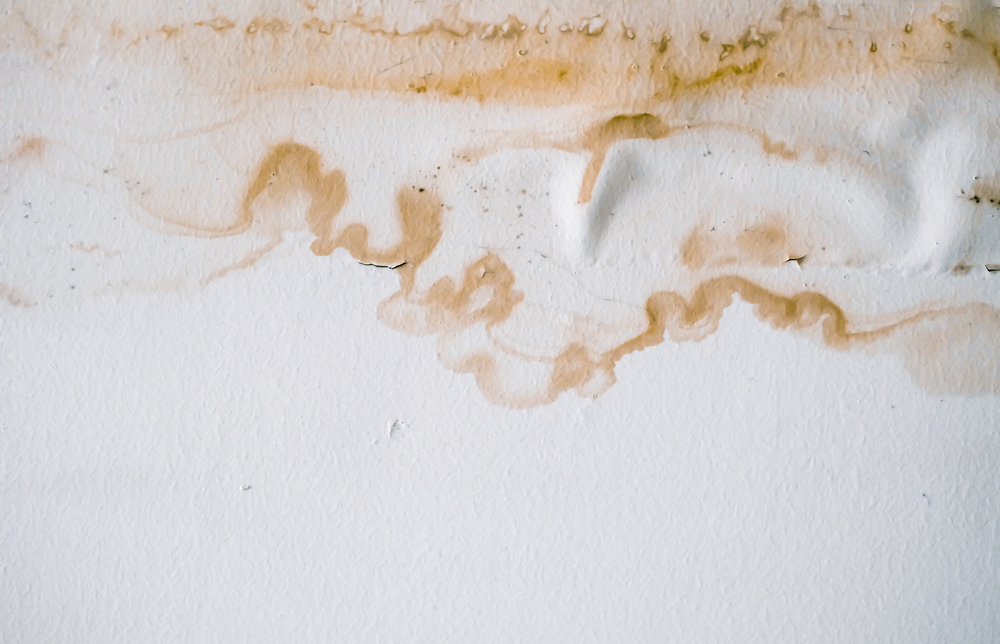
One of the earliest and most obvious signs of water damage is discoloration on surfaces. Water stains can appear as yellow, brown, or copper-colored patches on walls, ceilings, or even flooring. These marks are typically caused by minerals and contaminants in the water that seep through the building materials.
However, it’s not just visible stains that matter. Pay attention to any changes in color, even if they appear faint. In many cases, discoloration can indicate a slow leak or lingering moisture that’s already begun to compromise the integrity of the material. In bathrooms or kitchens, bubbling or peeling paint might be the only initial clue.
In commercial water damage scenarios, this form of discoloration can be particularly insidious. Large ceiling tiles, industrial drywall panels, or textured surfaces may mask the visual cues of damage until the underlying issue has worsened. Regular inspections and a keen eye for these subtle changes can help detect problems before they escalate.
The Smell Test: Unpleasant Odors and Mold
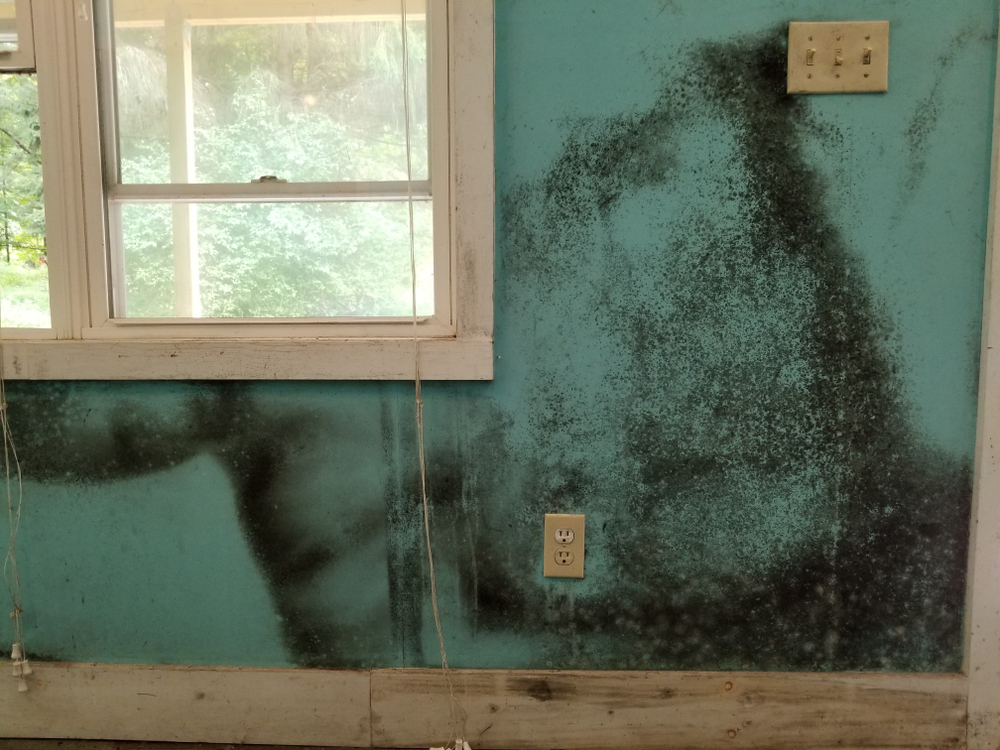
Odor can be a powerful indicator of hidden water damage, often revealing issues long before visual signs emerge. Damp, musty smells are common when water accumulates in dark, poorly ventilated spaces. These smells are typically a result of mold and mildew growth, both of which thrive in moist environments.
In residential settings, these odors might appear in basements, attics, or crawl spaces. Commercial properties, with their extensive HVAC systems and complex layout, may experience this in air ducts, maintenance rooms, or behind industrial-grade appliances. Unexplained persistent odors, especially those that become stronger over time, should not be ignored.
Mold not only signifies the presence of water but also presents a health risk, especially in commercial environments with high foot traffic. It can exacerbate respiratory conditions, trigger allergies, and lead to significant indoor air quality issues. Addressing the source of moisture is the only effective way to eliminate these odors and prevent the problem from recurring.
Structural Changes: Warping, Buckling, and Sagging
Physical deformations in your home or business are among the more serious early signs of water damage in walls, ceilings, and flooring. When wood, drywall, or other porous materials absorb water, they can swell, warp, or buckle. Flooring may become uneven, and ceilings might start to sag or ripple.
In homes, warped baseboards or soft spots in hardwood floors often point to slow leaks from adjacent bathrooms or kitchens. Doors and windows may become harder to open or close due to frame expansion caused by moisture. Cracks in drywall or ceilings—especially those that widen over time—can also suggest hidden water accumulation.
Commercial properties may experience structural symptoms on a larger and potentially more dangerous scale. Load-bearing walls and large ceiling panels, if compromised, could pose safety hazards. Employees or customers noticing “spongy” floors or shifting tiles can be early red flags. Ignoring these cues risks not only further property damage but also legal liability if injury results from structural failure.
Rising Costs: Unexplained Spikes in Utility Bills
A less obvious but equally telling indicator of hidden water damage is a sudden increase in your water bill. If your usage habits haven’t changed but your utility costs have climbed, it could be due to an undetected leak somewhere in your plumbing system. This is especially common in both older homes and commercial buildings where pipes may have deteriorated over time.
Small leaks can waste hundreds of gallons of water over the course of a month, quietly wreaking havoc behind walls or beneath floors. A toilet that constantly runs, a faucet dripping behind cabinetry, or a break in an underground irrigation line are all potential sources. These minor issues might seem harmless initially but often signal a larger problem that needs immediate attention.
In commercial environments, where water usage is higher and more variable, tracking these spikes can be trickier. Yet even a marginal uptick in usage across multiple units or departments could indicate hidden water damage. Using smart water meters or setting up alerts for unusual consumption patterns can aid in early detection and intervention.
Vigilance is Your Best Defense
Hidden water damage has the power to silently erode the comfort, safety, and value of your property. The key to prevention lies in recognizing the signs of water damage early—discoloration, musty odors, structural warping, and unexpected costs—and understanding what causes hidden water damage in the first place. These issues can stem from something as benign as a slow leak or as complex as a malfunctioning HVAC system.
For both homes and commercial properties, proactive inspections, maintenance, and monitoring are crucial. The consequences of ignoring early signs are far-reaching: health risks from mold, skyrocketing repair costs, and compromised building integrity. In commercial contexts, the stakes are even higher, with potential business interruptions and customer safety concerns at play.
Whether you manage a residential property or a bustling commercial facility, staying alert to the early signs of water damage in walls and other hidden spaces is a critical part of responsible ownership. When in doubt, consult a water damage professional to assess and address any suspected issues. Acting early can save thousands of dollars—and a lot of stress—down the line.
Need a Mold Specialist in Concord, NC?
Here at Concord Asbestos Abatement and Mitigation LLP, we take pride in providing top-notch remediation services tailored to meet your needs. As a family-owned and -operated business, we understand the importance of keeping your home or business safe and worry-free. Our knowledgeable team is committed to delivering exceptional service, maintaining cost-effective solutions, and ensuring every job site is left in pristine condition. Contact us today to schedule your consultation and experience the Concord difference!