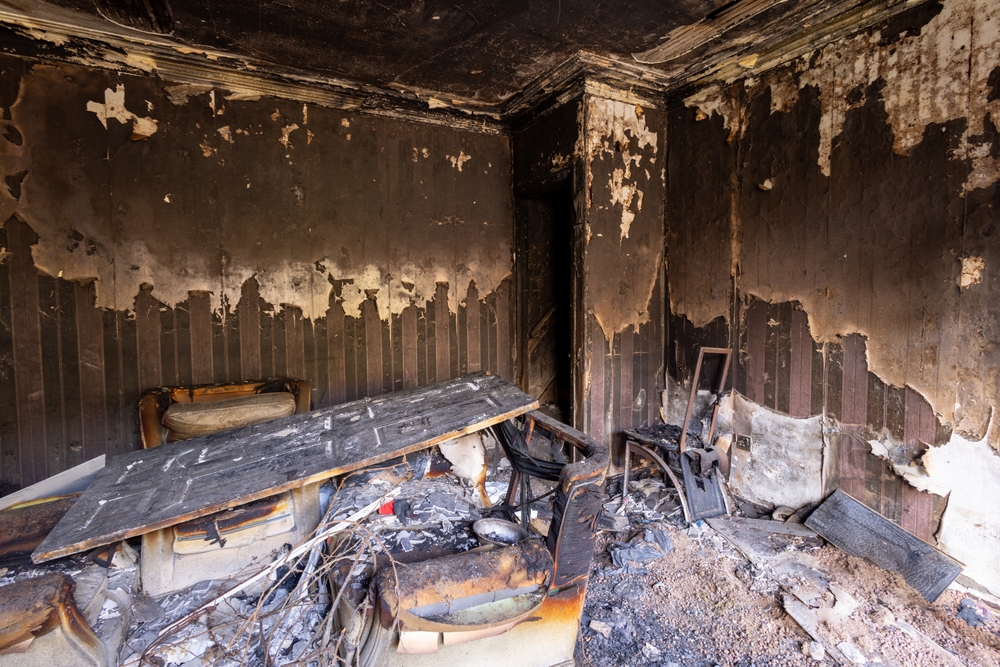
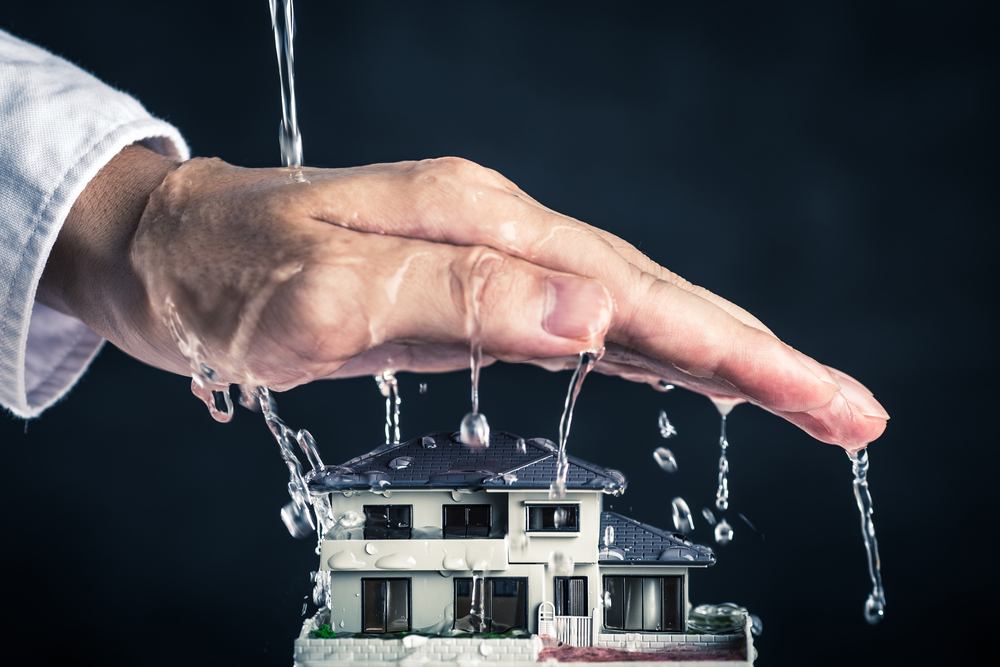
Once firefighters leave a damaged property, the emergency may be contained, but recovery is only beginning. For homeowners and businesses in Concord, smoke residue, soot, firefighting water, damaged building materials, and exposed openings can all require attention before normal repairs begin.
Quick answer:Fire damage remediation typically starts by confirming the property is safe to enter, documenting damage, securing exposed areas, removing standing water when present, and evaluating smoke and soot contamination. Damaged materials may then need to be removed, surfaces cleaned, odors treated, and affected areas prepared for repair or reconstruction.
What local readers should know
Fire damage often includes smoke, soot, water, and structural damage rather than damage from flames alone.
Properties throughout Cabarrus County may need drying after water is used during firefighting.
Repairs involving construction may require applicable local reviews, permits, or inspections.
Smoke and soot can spread into rooms and building cavities that were not directly touched by flames.
Older building materials should be evaluated appropriately before demolition or disturbance begins.
Why Fire Damage Remediation Matters in Concord
Fire damage remediation in Concord matters because damage can continue affecting a property after the flames are extinguished. Moisture from firefighting, soot deposits, smoke odors, compromised materials, and openings in the building envelope can create additional problems when cleanup is delayed or performed in the wrong order.
That sequence is especially important around Cabarrus County, where properties range from older homes near Downtown Concord to newer development around Cox Mill and the Interstate 85 corridor. Nearby communities such as Harrisburg, Kannapolis, Midland, and Mount Pleasant also include a mix of residential and commercial building types.
Concord Asbestos Abatement and Mitigation LLP understands that remediation requires careful attention to what was damaged and what may be disturbed during cleanup. We focus on helping property owners understand the next steps rather than treating visible fire damage as the only concern.
What Happens During Fire Damage Remediation?
Fire damage remediation generally moves from safety and stabilization to assessment, cleanup, material removal, odor treatment, and preparation for repairs. The exact sequence depends on the severity of the fire, the amount of water used during suppression, and which building materials were affected.
The first priority is determining whether the structure can be safely entered. Damaged roofs, floors, electrical systems, windows, and walls can create hazards.
Next comes documentation and assessment. Contractors may identify areas affected by flames, heat, smoke, soot, and water. Open windows, doors, or roof sections may need temporary protection.
Water extraction and drying can follow when firefighting leaves significant moisture behind. Soot cleanup and removal of unsalvageable materials are then coordinated with any necessary testing or hazard controls.
Only after these conditions are addressed should repair and reconstruction move forward.
Local Data and Public Guidance
Local fire and building agencies show why post-fire work may involve more than cleanup alone. The City of Concord Fire Marshal Office handles fire investigations, inspections, plan review, and fire prevention responsibilities, while construction applications can involve City zoning review and Cabarrus County building requirements.
For construction projects within the city, the City of Concord states that applications are reviewed for zoning by the city and for building requirements by Cabarrus County. That coordination can become relevant when significant fire damage requires structural reconstruction rather than surface cleaning alone.
Property owners should confirm the requirements that apply to their particular project before reconstruction begins.
How Fire Damage Affects Local Properties
Fire damage can affect the safety, usability, contents, indoor environment, and repair timeline of a local property. Even a fire contained to one room may send smoke through hallways, HVAC pathways, attics, or adjoining spaces.
Water adds another complication. Materials such as drywall, insulation, flooring, cabinetry, and wood components may absorb moisture during suppression efforts.
Commercial properties face additional concerns. A fire near Downtown Concord or along major commercial corridors can interrupt operations while inspections, cleanup, remediation, and repairs take place.
The goal is to identify the full damage footprint before cosmetic repairs hide unresolved problems.
Warning Signs That Additional Remediation May Be Needed
Persistent smoke odors, soot, moisture, and damaged building materials are common signs that a property needs further evaluation after a fire. Property owners should pay attention to conditions beyond the visibly burned area.
Watch for:
Smoke odors that remain after ordinary cleaning.
Black, gray, or oily soot deposits on walls, ceilings, fixtures, or contents.
Wet drywall, insulation, flooring, or carpeting after firefighting.
Bubbling paint, swollen trim, or other signs of trapped moisture.
Charred or heat-damaged structural materials.
Smoke residue around vents or HVAC registers.
Exposed wall, ceiling, or insulation materials.
Older materials that may require assessment before demolition or removal.
Do not disturb questionable damaged materials simply to determine what they contain.
When Should You Call a Professional?
Professional help is appropriate when fire damage involves significant soot, water intrusion, structural damage, widespread smoke contamination, or potentially hazardous building materials. A homeowner can document visible conditions from a safe location, but demolition, electrical work, structural evaluation, and handling of suspect materials should not become experimental DIY projects.
This distinction can be particularly important in older properties around established parts of Concord and Cabarrus County. The age of a material alone does not establish what it contains, but renovation and demolition can expose materials that were previously enclosed.
Professional assessment helps determine the correct order of work before damaged walls, ceilings, flooring, or insulation are disturbed.
Common Causes of Post-Fire Damage
The most common post-fire problems come from the fire itself, smoke migration, firefighting water, and exposure created by damaged walls or roofs. Each source can require a different remediation response.
1. Smoke and soot: Smoke can travel well beyond the room where the fire started. Residue may settle on walls, ceilings, furniture, duct components, and other surfaces.
2. Firefighting water: Water used to suppress flames can saturate porous materials and spread into lower floors or concealed cavities.
3. Heat damage: High temperatures can affect materials that never directly burned.
4. Structural openings: Broken windows, roof damage, and openings created during emergency response can expose interiors to weather.
5. Demolition-related disturbance: Removing fire-damaged finishes may expose underlying materials that require evaluation before further disturbance.
Preventing Secondary Damage After a Fire
Secondary damage can be limited by securing the property, controlling moisture, avoiding unnecessary disturbance, and beginning a coordinated assessment promptly. Property owners should follow instructions from fire officials concerning when it is safe to re-enter.
Take photographs when safe, preserve relevant documentation, and avoid aggressively scrubbing soot or tearing out materials without knowing what is involved.
If water is present, drying should be addressed promptly. If construction materials are going to be cut, scraped, sanded, or demolished, determine whether additional assessment is appropriate before that work begins.
What Results Should Property Owners Expect?
Successful remediation should leave the property stabilized, affected materials appropriately addressed, and damaged areas ready for the next stage of repair. That does not necessarily mean every item can be restored or that every project follows the same timeline.
Some contents may be cleanable while others require disposal. Some rooms may only need smoke and soot cleaning, while areas closer to the fire may require substantial removal and reconstruction.
A careful process separates remediation from rebuilding so that unresolved contamination or moisture is not simply covered with new finishes.
Common Fire Cleanup Mistakes
The biggest fire cleanup mistakes involve starting demolition too quickly, focusing only on visible damage, or covering odors without addressing their source. A more deliberate sequence can prevent unnecessary complications.
Mistake: Cleaning only the room where the fire occurred. Consequence: Smoke residue elsewhere may remain untreated. Better approach: Evaluate adjacent and connected areas for smoke migration.
Mistake: Beginning demolition immediately. Consequence: Workers or occupants may disturb materials before they are properly evaluated. Better approach: Assess the materials and scope before removal starts.
Mistake: Painting over smoke odor. Consequence: The underlying source may remain. Better approach: Clean and remediate affected materials before refinishing.
Mistake: Ignoring firefighting water. Consequence: Concealed moisture can delay repairs and damage additional materials. Better approach: Include moisture assessment and drying in the remediation plan.
A Common Local Fire Damage Scenario
A common Concord fire damage scenario involves a contained residential fire that causes wider smoke and water damage than the homeowner initially expects. For example, a kitchen fire may be extinguished before flames spread throughout the house, yet smoke can move into adjoining rooms while suppression water affects flooring, cabinets, or wall materials.
The visible burn area may therefore represent only one part of the remediation scope.
This is a general local scenario, not a specific customer case study.
Related Fire Damage Solutions
Fire recovery may require several coordinated services rather than one cleanup procedure. Depending on the property, the process can involve damage assessment, controlled material removal, moisture management, soot cleanup, odor remediation, and preparation for reconstruction.
Where suspect building materials are present, appropriate assessment and abatement procedures may also become part of the project before renovation or demolition continues.
DIY cleanup is best limited to minor tasks that authorities and qualified professionals have determined are safe, while extensive fire damage generally requires specialized evaluation and remediation. Visible soot is not the only issue that determines whether a project is appropriate for DIY work.
Simple documentation and organization of unaffected belongings may be manageable. Structural instability, extensive soot, wet building assemblies, electrical damage, demolition, and questionable building materials require a different level of caution.
Professional remediation also helps establish a logical sequence so cleanup work does not interfere with inspections, testing, or reconstruction.
Fire Damage Service Areas
Local remediation needs extend throughout Concord and surrounding Cabarrus County communities. Property owners in areas near Harrisburg, Kannapolis, Midland, Mount Pleasant, Cox Mill, and other nearby communities may face many of the same post-fire cleanup and material-removal concerns.
Service availability for a specific address should be confirmed directly.
What Does Waiting After a Fire Cost?
Waiting can allow moisture, soot, weather exposure, and unresolved damage to complicate an already difficult restoration project. Delays can also postpone the point at which contractors can determine what is salvageable and what needs removal.
That does not mean property owners should rush into demolition. The better goal is prompt assessment followed by work in the correct sequence.
How soon should fire damage remediation begin in Concord?
Fire damage remediation should begin as soon as the property has been released for safe access and the appropriate assessment can be performed. Immediate priorities may include securing openings, documenting damage, and addressing water. Cleanup or demolition should not interfere with an active fire investigation or proceed before potentially hazardous conditions are evaluated.
Does firefighting water need to be removed after a house fire?
Yes, significant firefighting water should be addressed as part of the post-fire recovery process. Water can soak drywall, insulation, flooring, cabinets, and structural components. For homes in Cabarrus County, evaluating moisture early helps contractors determine what can dry successfully and what materials may need removal.
Who handles fire investigations in Concord?
The City of Concord Fire Marshal Office conducts fire investigations as part of its local responsibilities. Its duties also include inspections, plans review, and fire and life safety activities. Property owners should follow instructions from local authorities before entering or altering a fire scene when an investigation is ongoing.
Do fire repairs in Concord require permits?
Some fire repairs may require permits or local review depending on the scope of reconstruction. The City of Concord indicates that construction applications involve city zoning review and Cabarrus County building review. Property owners planning substantial structural, electrical, mechanical, or other reconstruction should verify applicable requirements for their specific project.
Can smoke damage reach rooms where there were no flames?
Yes, smoke can reach rooms that were never directly exposed to flames. Smoke and fine residue can travel through doorways, openings, concealed spaces, and air pathways. A remediation assessment should therefore consider the broader property rather than assuming damage stops at the doorway of the burned room.
Should I remove damaged drywall myself after a fire?
Damaged drywall should not automatically be removed as a DIY first step. Fire scenes can involve electrical hazards, structural problems, soot contamination, hidden moisture, and underlying building materials that require evaluation. In older Concord-area properties especially, determining what will be disturbed before demolition is a safer approach.
Can smoke odor simply be painted over?
No, paint alone should not be treated as a substitute for addressing smoke contamination. Odor can remain when soot or smoke residue is still present on or within affected materials. Cleaning, removal, or other appropriate remediation generally needs to address the source before repaired surfaces receive their final finishes.
What happens before reconstruction starts in Cabarrus County?
Before reconstruction, the property should be assessed, stabilized, and cleared of remediation issues that would interfere with repairs. Depending on the fire, that may include water removal, drying, soot cleaning, damaged-material removal, and evaluation of materials that will be disturbed. Applicable permits and inspections should also be confirmed before rebuilding.
Move From Fire Damage to a Clear Recovery Plan
Recovering from a property fire involves more than replacing what burned. For Concord homeowners and businesses, understanding smoke, soot, moisture, damaged materials, local inspection requirements, and the correct order of remediation can make the next steps easier to plan.
Protect Your Concord Property Before Reconstruction Begins
We can help you identify remediation concerns and understand the next steps before damaged materials are disturbed or repairs move forward.
A fire or major water loss can turn a straightforward property claim into a much more complicated restoration project when older building materials may contain asbestos. For property owners in Concord and surrounding Cabarrus County communities, the order of operations matters because emergency stabilization, insurance documentation, water removal, demolition, and asbestos requirements can overlap.
The safest approach is usually to stabilize the immediate emergency first, document the loss for insurance purposes, identify materials that may be disturbed, and address asbestos requirements before demolition or aggressive removal begins. North Carolina requires asbestos considerations for certain demolition and renovation activities, so restoration work should not automatically move from water extraction or fire cleanup into tearing out walls, ceilings, flooring, or insulation.
What local property owners should know
Fire suppression can create a combined fire-and-water loss, meaning burned areas may also contain soaked drywall, flooring, insulation, and other materials.
Cabarrus County periodically experiences localized flooding near rivers and creeks, so water losses are not limited to plumbing failures or firefighting operations.
Suspected asbestos-containing materials should not be broken, cut, sanded, scraped, or demolished simply to speed up restoration.
Insurance documentation and emergency stabilization can often begin before decisions are made about disturbing suspect building materials.
A local building permit does not replace applicable North Carolina asbestos notification or permitting requirements.
Why Does the Order of Work Matter After Fire or Water Damage?
The order matters because emergency response, insurance documentation, asbestos evaluation, demolition, and restoration are separate steps that can affect one another. In a damaged Concord property, beginning demolition too early can disturb suspect materials, complicate documentation of the original loss, and create additional cleanup requirements.
Cabarrus County Emergency Management coordinates preparedness, response, recovery, and mitigation activities throughout the county. The county also recognizes flooding and severe weather among the hazards local residents and businesses should prepare for.
After the immediate danger has passed, property owners may have several parties involved, including the insurance carrier or adjuster, restoration contractors, building professionals, and asbestos professionals.
Concord Asbestos Abatement and Mitigation LLP can become part of that process when suspect materials need to be evaluated or asbestos-related work is required. From that point forward, we focus on helping property owners understand where asbestos work fits into the larger recovery sequence.
What Do North Carolina Asbestos Requirements Mean for a Damaged Property?
North Carolina asbestos requirements can affect renovation or demolition when damaged building materials will be disturbed. State guidance says buildings must be thoroughly inspected by a North Carolina-accredited asbestos inspector before demolition or renovation activity covered by those requirements, and regulated asbestos-containing materials may need professional handling before disturbance.
The North Carolina Department of Health and Human Services guidance also identifies thresholds associated with asbestos removal permits and establishes notification requirements for demolition. Demolition notification can be required even when asbestos is not present.
That distinction matters after a serious property loss. Emergency stabilization does not automatically mean unrestricted demolition should begin.
For homeowners and commercial property managers around Downtown Concord, Kannapolis, Harrisburg, Mount Pleasant, and Midland, identifying the work that actually needs to occur is an important early step.
How Can Fire and Water Damage Lead to an Asbestos Issue?
Fire and water damage can create an asbestos issue when restoration requires disturbing building materials that contain or are suspected of containing asbestos. The water itself does not create asbestos, and neither does the fire. The concern begins when damaged materials must be cut, removed, demolished, scraped, or otherwise disturbed.
A fire response, for example, may leave a property with burned finishes and extensive water from suppression efforts. A storm or plumbing failure may soak walls, ceilings, flooring systems, or mechanical spaces.
Restoration crews naturally need access to wet or damaged areas. If accessing those areas means disturbing suspect materials, asbestos needs to become part of the work plan.
What Warning Signs Suggest Asbestos Could Complicate Restoration?
Asbestos should enter the conversation when a damaged property contains suspect materials that restoration or demolition work may disturb. Appearance alone cannot reliably confirm that a material contains asbestos, so property owners should avoid making that determination visually.
Situations that deserve additional attention include:
Restoration requires removing older flooring or flooring adhesives.
Damaged ceilings or wall systems must be opened or demolished.
Pipe, boiler, duct, or mechanical insulation will be disturbed.
Fire damage has exposed previously concealed building materials.
Water has entered wall, ceiling, or floor assemblies that must be removed.
Contractors encounter an unknown material during demolition.
A larger renovation or demolition is planned as part of rebuilding.
Stopping at an unknown material can be much less disruptive than discovering the issue after debris has already been spread through a work area.
When Should a Professional Be Called?
A professional should be involved before suspect materials are disturbed when restoration, renovation, or demolition could trigger asbestos requirements. Property owners can photograph visible damage, inventory affected belongings, communicate with their insurer, and prevent people from unnecessarily entering damaged areas, but they should not sample or tear apart suspect materials themselves.
North Carolina guidance states that asbestos inspections and removal of regulated asbestos-containing materials must be performed by appropriately accredited professionals when the applicable requirements apply.
The distinction is particularly important when a Concord property needs immediate drying. Drying and stabilization decisions should account for materials that may need controlled handling instead of assuming every wet assembly can immediately be demolished.
What Common Events Cause Fire, Water, and Asbestos Work to Overlap?
The most common overlap occurs when an emergency damages a building and the resulting restoration requires removal of older materials. Around Cabarrus County, several scenarios can create that sequence.
1. Fire suppression water
A structural fire can leave both burned and water-saturated materials behind. Opening those assemblies during cleanup may expose materials that require asbestos evaluation.
2. Localized flooding
Cabarrus County states that localized flooding periodically occurs around rivers and creeks and can affect homes, businesses, barns, and other buildings.
3. Storm-related water intrusion
Severe weather can damage roofing or building envelopes, allowing water into ceilings, walls, and insulation.
4. Plumbing failures
A broken supply line, drain problem, or other plumbing event may require removal of flooring, walls, ceilings, or insulation to reach wet areas.
5. Major renovation during rebuilding
A property owner may decide to expand the restoration scope after a loss. Once the project becomes renovation or demolition, additional asbestos requirements may apply.
What Should Property Owners Do Before Demolition Starts?
Property owners should document the damage, clarify the restoration scope, identify suspect materials, and determine applicable asbestos requirements before demolition begins. This creates a clearer sequence for insurers, restoration contractors, asbestos professionals, and building officials.
Photograph affected rooms before materials are removed when it is safe to do so. Keep records of emergency work, conversations with the insurer, estimates, inspections, and changes in scope.
Do not intentionally break open suspect materials simply to determine what is behind them.
Cabarrus County Construction Standards provides building inspection and permitting services and enforces the North Carolina State Building Code and local ordinances. Separate state asbestos requirements may also apply, so obtaining a local construction permit should not be treated as satisfying asbestos obligations.
What Results Should You Expect From a Coordinated Response?
A coordinated response should create a defined sequence for stabilization, documentation, asbestos-related work when necessary, demolition, drying, and reconstruction. The exact order can change based on the emergency, the materials involved, regulatory requirements, and decisions made by the property owner and insurer.
The goal is not to delay restoration unnecessarily. It is to prevent one phase of the project from creating a problem for the next.
For example, controlled removal of a material identified for asbestos handling can allow subsequent restoration work to proceed within a clearer scope.
What Mistakes Can Complicate an Insurance Restoration Project?
The biggest mistakes involve disturbing materials too soon, losing documentation, or assuming every contractor involved in the loss performs the same role.
Mistake: Beginning demolition immediately after documenting only a few photographs. Consequence: Important information about the original loss or affected materials may disappear. Better approach: Document conditions thoroughly and coordinate the planned scope before removal.
Mistake: Assuming water damage overrides asbestos requirements. Consequence: Suspect materials may be disturbed during aggressive demolition. Better approach: Separate urgent stabilization from material disturbance and determine what requirements apply.
Mistake: Treating a building permit as an asbestos authorization. Consequence: State requirements may remain outstanding. Better approach: Confirm building and asbestos obligations independently.
Mistake: Assuming insurance coverage without reviewing the policy. Consequence: Owners may make financial decisions based on coverage they do not actually have. Better approach: Ask the insurer or adjuster how the policy applies to the specific loss and related work.
What Is a Common Local Fire-and-Water Scenario?
A common local scenario is a property where emergency response solves the immediate danger but leaves several restoration problems behind. Consider a Cabarrus County building where a fire affects part of the structure and suppression water saturates adjacent rooms.
The property owner documents the damage and contacts the insurer. Restoration personnel identify wet wall and flooring assemblies that need to be removed.
Before those materials are aggressively demolished, suspect materials are identified for appropriate evaluation. If asbestos-related work is required, that scope is addressed before incompatible demolition proceeds. Restoration can then continue based on the resulting conditions and approved project scope.
This is an illustrative local scenario, not a description of a specific customer project.
Which Services May Be Needed to Move the Project Forward?
The services needed depend on what materials were damaged and what restoration work will disturb them. A project may involve emergency stabilization, water mitigation, fire restoration, asbestos inspection or assessment, asbestos abatement, demolition, drying, reconstruction, and insurance documentation.
Our role is focused on the asbestos portion of that sequence when applicable. We can help clarify how asbestos-related work fits around the larger restoration process without treating every damaged property as though it requires the same solution.
How Do You Compare Immediate Demolition With a Coordinated Approach?
Immediate demolition prioritizes rapid material removal, while a coordinated approach first determines what can safely and legally be disturbed. After a straightforward loss involving known modern materials, that distinction may be minor. When suspect asbestos materials are present, it can be significant.
DIY demolition also carries additional uncertainty because homeowners may not recognize suspect materials or know when state requirements apply.
Professional coordination creates a documented scope and helps different trades understand where one contractor’s work stops and another’s begins.
What Areas Around Concord Can Face These Overlapping Restoration Issues?
Properties throughout Concord and surrounding Cabarrus County communities can encounter overlapping fire, water, and asbestos concerns. The same sequencing questions may arise for buildings in Kannapolis, Harrisburg, Mount Pleasant, Midland, and other nearby areas when emergency damage leads to renovation or demolition.
Local conditions also matter. Cabarrus County specifically recognizes localized flooding, severe weather preparedness, fire response, and recovery planning as community concerns.
What Can Happen If the Asbestos Question Is Ignored?
Ignoring the asbestos question can complicate demolition, cleanup, scheduling, regulatory compliance, and the overall restoration scope. Once suspect material has been broken apart and debris has moved through a property, correcting the situation may be more involved than addressing the material before disturbance.
Waiting does not mean leaving active water or fire hazards untouched. Emergency conditions still need appropriate attention.
The key is distinguishing necessary stabilization from demolition that can reasonably wait until suspect materials have been addressed.
Fire damage does not mean asbestos concerns can automatically be disregarded. Damaged building materials and debris may still require appropriate evaluation and handling. The restoration plan should account for suspect materials before workers begin cutting, scraping, breaking, or removing affected assemblies.
Can water mitigation begin before asbestos testing in Concord?
Emergency water stabilization may need to begin quickly, but work that disturbs suspect materials should be evaluated separately. Contractors may be able to perform certain stabilization activities without immediately demolishing affected assemblies. The appropriate sequence depends on building conditions, the materials involved, and the restoration scope.
Does Cabarrus County experience meaningful flood risk?
Yes, Cabarrus County states that localized flooding periodically occurs in areas bordering rivers and creeks. The county notes that flooding can make roads and bridges impassable and can occasionally require evacuation of structures. The county also participates in the National Flood Insurance Program.
Does homeowners insurance always pay for asbestos abatement after water damage?
No, asbestos-related coverage should not be assumed because policies, exclusions, endorsements, causes of loss, and claim circumstances can differ. Property owners should ask their insurer or adjuster how the policy applies before making financial assumptions about testing, abatement, demolition, or reconstruction.
Is a Cabarrus County building permit enough for asbestos demolition requirements?
No, a local building permit does not by itself satisfy applicable state asbestos notification requirements. North Carolina guidance specifically states that obtaining a demolition permit from a local city or county building inspections department does not satisfy Health Hazards Control Unit notification requirements.
Should I remove wet flooring myself after a water loss?
Not when removing the flooring could disturb suspect asbestos-containing materials. Older flooring systems can include multiple layers and adhesives, and appearance alone is not a reliable asbestos determination. Document the damage and determine whether professional evaluation is appropriate before pulling up questionable materials.
What happens when fire suppression water damages several rooms?
The property may require both fire restoration and water mitigation, with asbestos considerations added if suspect materials must be disturbed. Establishing the work sequence early can help contractors determine what can be stabilized immediately and what should wait for inspection or controlled removal.
Who handles emergency planning in Cabarrus County?
Cabarrus County Emergency Management coordinates countywide preparedness, response, recovery, and mitigation activities with public safety agencies and community partners. Its planning covers hazards affecting residents, businesses, property, and the environment throughout the county.
Keep Restoration Moving Without Skipping the Asbestos Step
Fire and water losses can already involve insurers, emergency responders, restoration companies, inspectors, and construction professionals. When asbestos enters the picture, a clear sequence helps everyone understand what should happen before damaged building materials are disturbed.
For Concord property owners, addressing that question early can help keep the larger restoration project organized while meeting applicable North Carolina requirements.
Protect Your Cabarrus County Property Before Demolition Begins
We help local property owners address asbestos concerns that arise during fire, water, renovation, and demolition projects so the next phase of restoration can proceed with a clearer scope.
When a fire tears through your home or business in Concord, NC, the visible damage is only the beginning of your problems. The charred walls, melted fixtures, and burned belongings are heartbreaking, but what you cannot see may be even more dangerous. Hidden risks lurk beneath the surface after every fire, and addressing them quickly is critical to protecting your health, your property, and your financial investment.
Understanding what lies beneath the visible destruction is the first step toward a safe and complete recovery.
The Invisible Threat: What Smoke and Soot Leave Behind
Many homeowners assume that once the flames are out, the danger is over. Unfortunately, that assumption can lead to serious health consequences and long-term structural damage. Smoke damage restoration in NC is not simply about wiping down walls or airing out rooms. It involves identifying and neutralizing a complex mixture of toxic residues that embed themselves into every surface of your home.
Soot, the black powdery or oily substance left behind after combustion, is one of the most hazardous materials you will encounter during post fire damage restoration in NC. It contains a mixture of carbon particles, chemicals, and acids that can cause respiratory problems, skin irritation, and long-term lung damage. Soot cleanup services must be performed thoroughly and systematically because even small amounts left behind can continue to off-gas harmful compounds for weeks or even months.
Smoke particles are incredibly fine, sometimes smaller than one micron, which means they can penetrate deep into walls, insulation, ductwork, and furniture. Standard cleaning products are not equipped to neutralize these particles. Without professional fire restoration services in Concord, NC, you may clean the surface while leaving a reservoir of toxic material behind to slowly damage your indoor air quality and your health.
Structural Damage That Is Not Always Visible to the Naked Eye
Fire does not just burn what it touches. It weakens what it does not fully consume. One of the most overlooked aspects of fire damage cleanup in Concord, NC is the structural compromise that happens behind walls, above ceilings, and beneath flooring. Heat exposure can warp wooden beams, compromise the integrity of metal supports, and cause concrete to crack or spall in ways that are not immediately visible.
Water damage is another structural threat that frequently accompanies fire damage. Firefighting efforts often saturate a building, and that moisture creates the perfect environment for mold growth, wood rot, and corrosion of electrical components. If a restoration team focuses only on fire and smoke cleanup while neglecting water intrusion, the structural risks multiply significantly over the following weeks.
Electrical systems are particularly vulnerable after a fire. Heat can melt wire insulation, damage junction boxes, and compromise breaker panels even in areas that were not directly touched by flames. Using any electrical system in a fire-damaged building before it has been thoroughly inspected by a licensed professional is a serious safety hazard that could result in another fire or electrocution. Fire restoration services in Concord, NC should always include a thorough assessment of the electrical infrastructure before any power is restored.
Air Quality Hazards That Threaten Your Long-Term Health
The air inside a fire-damaged building is not safe to breathe, even after the smoke clears. Post fire damage restoration in NC must include a comprehensive air quality assessment to identify and eliminate hazardous airborne particles and gases that linger long after the event itself.
Volatile organic compounds, commonly known as VOCs, are released when household materials burn. These include formaldehyde, benzene, and a range of other chemicals that can cause headaches, dizziness, nausea, and long-term respiratory damage with repeated exposure. HVAC systems that were operating during or after the fire can distribute these contaminants throughout every room in the building, including areas that were never touched by flames.
Carbon monoxide is another invisible killer that can persist in a fire-damaged structure. Even after a building has been ventilated, pockets of this odorless and colorless gas can accumulate in enclosed spaces. Professional soot cleanup services include air quality testing that specifically checks for carbon monoxide levels and other toxic gases before clearing a structure for re-entry.
Asbestos and lead paint are additional concerns in older homes and commercial properties in Concord, NC. When materials containing these substances are disturbed by fire and the subsequent cleanup process, particles are released into the air. This creates a serious exposure risk that requires specialized handling by certified professionals trained in hazardous material abatement.
Why Delayed Action Multiplies the Damage
One of the most costly mistakes property owners make after a fire is waiting too long to begin the cleanup and restoration process. Every hour that passes after a fire increases the extent of the damage and the cost of repairs. Soot and smoke residues begin to permanently stain and etch surfaces within hours. Porous materials like wood, drywall, and upholstery absorb smoke odors deeply the longer they remain untreated.
Moisture from firefighting efforts creates mold growth within 24 to 48 hours under the right conditions. In the warm climate of Concord, NC, where humidity levels can rise quickly, mold can establish itself and spread aggressively if water damage is not addressed immediately. Fire damage cleanup that is delayed often results in a much larger and more expensive mold remediation project on top of the original fire and smoke damage.
Insurance claims are also affected by how quickly and thoroughly you respond. Most property insurance policies require timely reporting and reasonable steps to mitigate further damage. Failing to begin fire restoration services in Concord, NC promptly could give an insurer grounds to reduce or dispute your claim. Documenting the damage quickly and engaging certified restoration professionals creates a clear record that supports your claim and demonstrates responsible action.
Choosing the Right Fire Restoration Services in Concord, NC
Not all restoration companies are equipped to handle the full scope of hazards that follow a fire. When selecting a provider for smoke damage restoration in NC, you need to look beyond surface-level cleaning capabilities and ask the right questions about their certifications, equipment, and approach to hidden hazards.
Look for companies certified by the Institute of Inspection Cleaning and Restoration Certification (IICRC), which sets the industry standard for fire, smoke, and water damage restoration. These professionals are trained to address structural integrity, air quality, microbial growth, and hazardous material concerns in addition to the visible cleanup that most people associate with fire damage cleanup in Concord, NC.
A reputable company will conduct a thorough inspection before beginning any work and provide you with a detailed scope of services that addresses both visible and hidden damage. They should use industrial-grade air scrubbers, HEPA vacuums, and chemical treatments specifically designed for soot and smoke residue. They should also coordinate with your insurance adjuster and provide detailed documentation of all damage and remediation work performed.
Transparent communication is also essential. A trustworthy restoration company will walk you through every step of the process, explain the risks they have identified, and give you realistic timelines and cost estimates. You should never feel pressured or kept in the dark during one of the most stressful experiences of your life.
Conclusion
Fire damage in Concord, NC carries risks that extend far beyond what the eye can see. From toxic soot and compromised air quality to structural instability and mold growth, the hidden dangers demand immediate, professional attention. Waiting or cutting corners on post fire damage restoration in NC can turn a recoverable situation into a long-term health and financial crisis. Engaging qualified fire restoration services in Concord, NC as quickly as possible is the single most important decision you can make after a fire. Your safety, your home, and your peace of mind depend on it.
Need Remediation Services in Concord, NC?
Here at Concord Asbestos Abatement and Mitigation LLP, we take pride in providing top-notch remediation services tailored to meet your needs. As a family-owned and -operated business, we understand the importance of keeping your home or business safe and worry-free. Our knowledgeable team is committed to delivering exceptional service, maintaining cost-effective solutions, and ensuring every job site is left in pristine condition. Contact us today to schedule your consultation and experience the Concord difference!
When a fire breaks out in your home or business, the visible flames often get all the attention. But once the fire is out, many property owners are surprised to discover that the real battle is just beginning. Smoke and soot can spread far beyond the area where the fire actually burned, quietly embedding themselves into walls, ceilings, furniture, and air systems. Without proper fire and smoke damage cleanup services, the damage continues long after the flames are gone.
Understanding why smoke and soot are so destructive, and what a full remediation process looks like, can help you make smarter decisions during one of the most stressful times of your life.
The Hidden Dangers of Smoke and Soot Damage
Most people assume that if a room did not catch fire, it escaped damage. Unfortunately, that is rarely true. Smoke travels through every crack, vent, and opening in a structure, depositing a fine layer of soot and chemical residue almost everywhere it reaches. Soot particles are microscopic, which means they can penetrate deep into porous materials like drywall, wood, insulation, and upholstery. Once embedded, these particles are extremely difficult to remove without professional equipment and training.
Beyond the physical staining and discoloration, soot contains a mixture of carbon, chemicals, and acids that actively corrode surfaces over time. Metal fixtures can begin to rust and pit within days of exposure. Fabrics and textiles can become permanently stained. Electronics exposed to soot particles are at serious risk of short-circuiting or failing entirely. The longer soot sits untreated, the more damage it causes, and the more expensive the restoration becomes. This is why fast, experienced response from a fire and smoke damage cleanup services team is so critical after any fire event, whether large or small.
Why Odor Removal Is More Complex Than It Seems
One of the most persistent and frustrating consequences of fire damage is the smell. Smoke odor does not just linger in the air. It penetrates walls, floors, ceilings, HVAC systems, clothing, and personal belongings. Many property owners try to manage the smell on their own using air fresheners, fans, or cleaning sprays, only to find the odor returns within days. That is because surface-level treatments do nothing to address the smoke particles that have absorbed deep into building materials.
True odor removal and air quality restoration requires a multi-layered approach. Professional remediation teams use a combination of techniques including thermal fogging, ozone treatment, hydroxyl generators, and specialized air scrubbers to neutralize smoke odors at the molecular level. These methods do not simply mask the smell. They break down the odor-causing compounds that have bonded with surfaces throughout the property.
Air quality restoration is also a health issue, not just a comfort issue. Smoke-damaged environments contain particulate matter, volatile organic compounds (VOCs), and other airborne contaminants that pose genuine risks to respiratory health. Children, the elderly, and anyone with asthma or other respiratory conditions are especially vulnerable. A thorough odor removal and air quality restoration process is essential not only for making the space livable again, but for ensuring it is safe.
What a Full Remediation Process Actually Involves
Many property owners do not realize how comprehensive professional fire damage restoration actually is. A full remediation process, which covers both cleanup and repair, goes well beyond wiping down surfaces and airing out rooms. It is a structured, methodical process that addresses every layer of damage from the outermost surfaces down to the structural components of the building.
The process typically begins with a detailed inspection and damage assessment. Technicians identify all affected areas, including those not immediately visible, such as inside wall cavities, attic spaces, and ductwork. From there, the team develops a restoration plan that outlines the specific steps needed to bring the property back to its pre-loss condition.
Cleanup itself involves removing debris, cleaning and treating all smoke and soot-affected surfaces, deodorizing the structure, and cleaning or disposing of damaged contents. After cleanup, the repair phase begins. This can include replacing drywall, repainting, restoring flooring, repairing or replacing cabinetry, and addressing any structural damage caused by the fire or by water used during firefighting efforts. A truly full remediation process means you work with one team from start to finish, rather than coordinating separately between a cleanup crew and a general contractor.
Experience handling large and small projects matters enormously here. A small kitchen fire may look manageable, but soot and smoke can travel throughout an entire home in minutes. A company with experience across a wide range of project sizes will know how to properly scope the work, allocate the right resources, and avoid overlooking damage that less experienced teams might miss.
Why Professional Standards and Compliance Matter
Not all fire damage cleanup is created equal. Safe, thorough, and compliant cleanup practices are not just industry buzzwords. They reflect real differences in outcomes for property owners. Professional remediation companies follow established industry standards, including those set by the Institute of Inspection, Cleaning and Restoration Certification (IICRC), which define best practices for every stage of the restoration process.
Compliance also matters when it comes to insurance claims. Documenting damage thoroughly, following approved remediation protocols, and maintaining clear records of all work performed are essential for ensuring your insurance claim is processed accurately and fairly. A remediation company that cuts corners on documentation or skips steps in the cleanup process can create serious complications down the line, both with insurers and with the long-term condition of your property.
Safe practices also protect the workers performing the cleanup and the occupants who will eventually return to the space. Fire debris can contain asbestos, lead paint, hazardous chemicals, and other dangerous materials, particularly in older buildings. Proper personal protective equipment, containment procedures, and disposal methods are not optional. They are fundamental to a cleanup that is genuinely complete and safe for everyone involved.
Choosing a company with a demonstrated record of experience handling large and small projects, and one that adheres to safe, thorough, and compliant cleanup practices, gives you the best chance of a full recovery with minimal complications.
How to Choose the Right Fire Damage Restoration Company
With so much at stake, selecting the right restoration company is one of the most important decisions you will make after a fire. Start by looking for a company that specializes in fire and smoke damage cleanup services specifically, rather than a general handyman or painting service that offers cleanup as a side offering. Specialization matters because the knowledge, equipment, and techniques required for proper fire remediation are highly specific.
Ask about the company’s certifications, particularly IICRC credentials, and verify that their technicians are trained and up to date. Look for a team with documented experience handling large and small projects, since this reflects genuine versatility and competence. Check reviews and references, and pay close attention to comments about thoroughness, communication, and results.
Also make sure the company offers a truly full remediation process covering both cleanup and repair. Having to manage multiple vendors during an already stressful situation adds unnecessary complexity. A single experienced team that can take your property from initial damage assessment through to final repairs and odor removal and air quality restoration is a far better option for most property owners.
Finally, prioritize companies that emphasize safe, thorough, and compliant cleanup practices. Ask how they handle hazardous materials, how they document their work, and how they coordinate with insurance providers. The right company will answer these questions clearly and confidently.
Conclusion
Smoke and soot damage is far more serious, and far more complex, than most people realize until they are dealing with it firsthand. Professional fire and smoke damage cleanup services exist because the science behind proper remediation is genuinely specialized. From odor removal and air quality restoration to the full remediation process covering cleanup and repair, every step requires training, equipment, and care. Choosing a team with experience handling large and small projects, and a commitment to safe, thorough, and compliant cleanup practices, is the best investment you can make in your property and your peace of mind.
Need Remediation Services in Concord, NC?
Here at Concord Asbestos Abatement and Mitigation LLP, we take pride in providing top-notch remediation services tailored to meet your needs. As a family-owned and -operated business, we understand the importance of keeping your home or business safe and worry-free. Our knowledgeable team is committed to delivering exceptional service, maintaining cost-effective solutions, and ensuring every job site is left in pristine condition. Contact us today to schedule your consultation and experience the Concord difference!
When disaster strikes, few events are as overwhelming as the aftermath of a fire or flood. For homeowners and businesses in Concord, CA, the clock starts ticking the moment damage occurs. Whether it’s fire damage remediation or water damage restoration, the difference between prompt action and delayed response can mean thousands of dollars in savings, the prevention of long-term structural issues, and the preservation of health and safety. In this article, we’ll explore why speed is your greatest ally in the remediation process, why professional help is indispensable, and how integrated services like asbestos abatement can play a critical role in comprehensive recovery.
The Immediate Risks of Fire and Water Damage
Fire and water damage often occur together—sometimes in ways people don’t expect. After a fire, water from firefighting efforts can saturate walls, flooring, and insulation, creating a perfect breeding ground for mold. Conversely, flooding can damage electrical wiring and increase fire hazards. In Concord, the dual threat is particularly serious due to local building materials, climate, and the way older properties were constructed.
When it comes to fire damage remediation, the first 24–48 hours are crucial. Smoke and soot residue are acidic; they begin corroding metal fixtures, discoloring walls, and deteriorating fabrics almost immediately. The lingering odor of smoke can permeate every surface, including hidden areas like air ducts, requiring deep and specialized cleaning.
With water damage restoration, delays can allow moisture to seep into structural elements, weakening load-bearing walls and floors. In less than 48 hours, mold colonies can begin to grow, posing serious health risks. Mold spores are especially dangerous for those with respiratory issues, and their removal can become a costly, complex process if not addressed quickly. In both cases, rapid emergency damage cleanup in Concord ensures that damage is mitigated before it spirals out of control.
Professional Remediation: More Than Just Cleanup
Some property owners may be tempted to handle minor damage on their own, but professional remediation is far more than just a cleanup operation. Certified technicians bring specialized tools and expertise that go beyond surface restoration. In fire and water damage repair, professionals perform in-depth inspections to identify hidden issues that might otherwise go unnoticed.
For example, after a fire, they don’t just clean visible soot; they inspect the HVAC system for contamination, assess the structural integrity of beams, and use thermal imaging to detect moisture pockets behind walls. In water damage cases, high-powered pumps, industrial dehumidifiers, and moisture meters ensure that every trace of dampness is eliminated.
In Concord, CA, another critical aspect is compliance with safety regulations—especially when asbestos abatement is necessary. Many older buildings contain asbestos in insulation, flooring, or roofing materials. If these materials are damaged during a fire or flood, asbestos fibers can become airborne, posing severe health risks. Licensed professionals follow strict containment and removal protocols to ensure safety and legal compliance, something that DIY approaches simply cannot guarantee.
The Cost of Delaying Remediation
One of the most common mistakes property owners make is underestimating how quickly small issues can escalate. The costs of fire damage remediation or water damage restoration increase exponentially the longer you wait. This isn’t just because damage spreads—it’s because delayed repairs often require entirely new replacements rather than simple fixes.
For fire damage, smoke residue can cause permanent staining and corrosion, forcing the replacement of expensive fixtures, appliances, and structural components. In water damage cases, prolonged exposure to moisture can compromise foundations, requiring costly reconstruction. In Concord, where many properties have basements or crawl spaces, undetected water damage can also lead to soil erosion or structural shifting.
Insurance companies also take timing into account. Most policies require prompt action to mitigate damage; failing to do so could reduce or even void your claim. Professional emergency damage cleanup teams in Concord not only address the problem but also document the process thoroughly for insurance purposes, ensuring you receive fair compensation.
Integrated Restoration Services for Complete Recovery
Recovering from fire or water damage isn’t just about making a building habitable again—it’s about restoring it to its pre-loss condition while preventing future issues. This is why integrated restoration services are so valuable. Instead of hiring separate contractors for fire and water damage repair, mold remediation, and asbestos abatement, working with a full-service company ensures that all aspects of recovery are addressed in a coordinated, efficient manner.
In Concord, CA, integrated teams often begin with emergency response, extracting water, securing the property, and stabilizing structural components. Next comes detailed cleaning, sanitization, and odor removal. If asbestos or lead paint is present, certified abatement specialists safely remove hazardous materials before reconstruction begins. The final phase may involve repairing or replacing drywall, flooring, roofing, and other elements—often with improvements that make the property more resilient against future damage.
This all-in-one approach not only speeds up recovery but also ensures nothing is overlooked. When multiple specialists work in isolation, important details can fall through the cracks, leading to recurring issues months or years later.
Choosing the Right Remediation Partner in Concord
Not all restoration companies are created equal, and choosing the right partner can determine the success of your recovery. Look for providers in Concord, CA with proven experience in both fire damage remediation and water damage restoration. Verify certifications, especially for hazardous material handling like asbestos abatement, and check for 24/7 availability—because emergencies don’t follow a 9-to-5 schedule.
A good remediation partner offers more than technical expertise. They understand the emotional toll that disasters take and provide compassionate, transparent communication throughout the process. They’ll walk you through insurance paperwork, explain every step of the restoration plan, and ensure you’re never left wondering what happens next.
Local expertise is also crucial. Companies based in Concord are familiar with the city’s building codes, climate-related risks, and neighborhood infrastructure. This knowledge allows them to anticipate challenges and tailor their approach to the unique needs of the area.
Conclusion
When it comes to fire and water damage repair, time is your most valuable resource. In Concord, CA, acting quickly can mean the difference between a smooth recovery and a drawn-out, expensive ordeal. Immediate emergency damage cleanup prevents further deterioration, protects your health, and safeguards your financial interests. Professional remediation services bring specialized tools, regulatory expertise, and an integrated approach that ensures complete, lasting restoration—including vital services like asbestos abatement.
No property owner ever hopes to face fire or flood damage, but when it happens, knowing what to do—and who to call—can make all the difference. By choosing an experienced, local restoration team and acting without delay, you can turn a devastating event into a manageable challenge, protecting both your property and your peace of mind. In a crisis, every second counts, and in Concord, timely action isn’t just important—it’s essential.
Need Remediation Services in Concord, NC?
Here at Concord Asbestos Abatement and Mitigation LLP, we take pride in providing top-notch remediation services tailored to meet your needs. As a family-owned and -operated business, we understand the importance of keeping your home or business safe and worry-free. Our knowledgeable team is committed to delivering exceptional service, maintaining cost-effective solutions, and ensuring every job site is left in pristine condition. Contact us today to schedule your consultation and experience the Concord difference!