

Fire Damage Remediation in Concord, NC: What Happens After the Fire Is Out
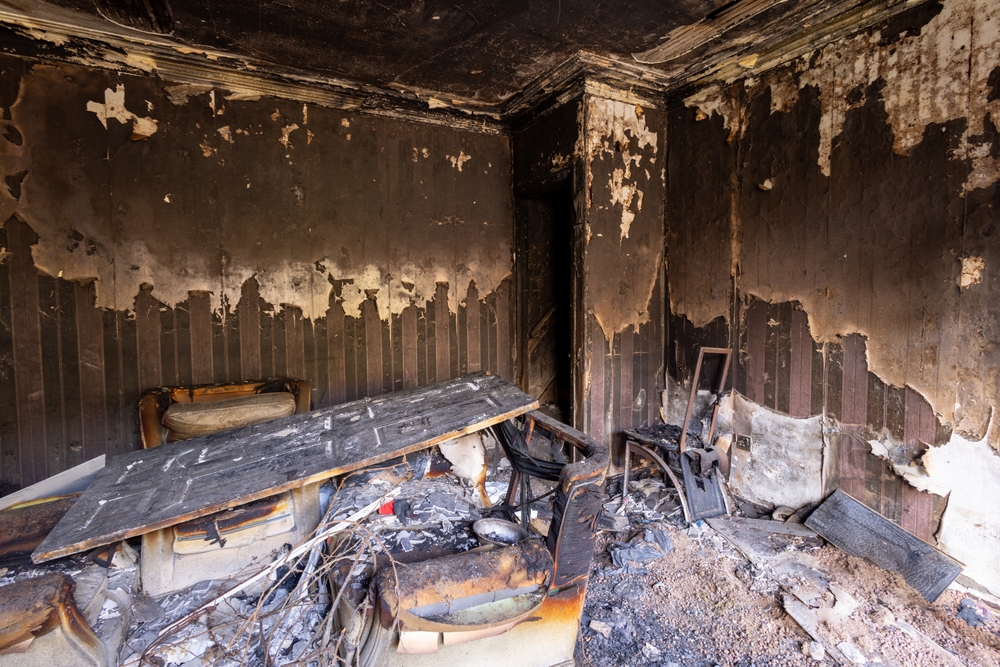
Once firefighters leave a damaged property, the emergency may be contained, but recovery is only beginning. For homeowners and businesses in Concord, smoke residue, soot, firefighting water, damaged building materials, and exposed openings can all require attention before normal repairs begin.
Quick answer: Fire damage remediation typically starts by confirming the property is safe to enter, documenting damage, securing exposed areas, removing standing water when present, and evaluating smoke and soot contamination. Damaged materials may then need to be removed, surfaces cleaned, odors treated, and affected areas prepared for repair or reconstruction.
What local readers should know
-
Fire damage often includes smoke, soot, water, and structural damage rather than damage from flames alone.
-
Properties throughout Cabarrus County may need drying after water is used during firefighting.
-
Repairs involving construction may require applicable local reviews, permits, or inspections.
-
Smoke and soot can spread into rooms and building cavities that were not directly touched by flames.
-
Older building materials should be evaluated appropriately before demolition or disturbance begins.
Why Fire Damage Remediation Matters in Concord
Fire damage remediation in Concord matters because damage can continue affecting a property after the flames are extinguished. Moisture from firefighting, soot deposits, smoke odors, compromised materials, and openings in the building envelope can create additional problems when cleanup is delayed or performed in the wrong order.
That sequence is especially important around Cabarrus County, where properties range from older homes near Downtown Concord to newer development around Cox Mill and the Interstate 85 corridor. Nearby communities such as Harrisburg, Kannapolis, Midland, and Mount Pleasant also include a mix of residential and commercial building types.
Concord Asbestos Abatement and Mitigation LLP understands that remediation requires careful attention to what was damaged and what may be disturbed during cleanup. We focus on helping property owners understand the next steps rather than treating visible fire damage as the only concern.
What Happens During Fire Damage Remediation?
Fire damage remediation generally moves from safety and stabilization to assessment, cleanup, material removal, odor treatment, and preparation for repairs. The exact sequence depends on the severity of the fire, the amount of water used during suppression, and which building materials were affected.
The first priority is determining whether the structure can be safely entered. Damaged roofs, floors, electrical systems, windows, and walls can create hazards.
Next comes documentation and assessment. Contractors may identify areas affected by flames, heat, smoke, soot, and water. Open windows, doors, or roof sections may need temporary protection.
Water extraction and drying can follow when firefighting leaves significant moisture behind. Soot cleanup and removal of unsalvageable materials are then coordinated with any necessary testing or hazard controls.
Only after these conditions are addressed should repair and reconstruction move forward.
Local Data and Public Guidance
Local fire and building agencies show why post-fire work may involve more than cleanup alone. The City of Concord Fire Marshal Office handles fire investigations, inspections, plan review, and fire prevention responsibilities, while construction applications can involve City zoning review and Cabarrus County building requirements.
For construction projects within the city, the City of Concord states that applications are reviewed for zoning by the city and for building requirements by Cabarrus County. That coordination can become relevant when significant fire damage requires structural reconstruction rather than surface cleaning alone.
Property owners should confirm the requirements that apply to their particular project before reconstruction begins.
How Fire Damage Affects Local Properties
Fire damage can affect the safety, usability, contents, indoor environment, and repair timeline of a local property. Even a fire contained to one room may send smoke through hallways, HVAC pathways, attics, or adjoining spaces.
Water adds another complication. Materials such as drywall, insulation, flooring, cabinetry, and wood components may absorb moisture during suppression efforts.
Commercial properties face additional concerns. A fire near Downtown Concord or along major commercial corridors can interrupt operations while inspections, cleanup, remediation, and repairs take place.
The goal is to identify the full damage footprint before cosmetic repairs hide unresolved problems.
Warning Signs That Additional Remediation May Be Needed
Persistent smoke odors, soot, moisture, and damaged building materials are common signs that a property needs further evaluation after a fire. Property owners should pay attention to conditions beyond the visibly burned area.
Watch for:
-
Smoke odors that remain after ordinary cleaning.
-
Black, gray, or oily soot deposits on walls, ceilings, fixtures, or contents.
-
Wet drywall, insulation, flooring, or carpeting after firefighting.
-
Bubbling paint, swollen trim, or other signs of trapped moisture.
-
Charred or heat-damaged structural materials.
-
Smoke residue around vents or HVAC registers.
-
Exposed wall, ceiling, or insulation materials.
-
Older materials that may require assessment before demolition or removal.
Do not disturb questionable damaged materials simply to determine what they contain.
When Should You Call a Professional?
Professional help is appropriate when fire damage involves significant soot, water intrusion, structural damage, widespread smoke contamination, or potentially hazardous building materials. A homeowner can document visible conditions from a safe location, but demolition, electrical work, structural evaluation, and handling of suspect materials should not become experimental DIY projects.
This distinction can be particularly important in older properties around established parts of Concord and Cabarrus County. The age of a material alone does not establish what it contains, but renovation and demolition can expose materials that were previously enclosed.
Professional assessment helps determine the correct order of work before damaged walls, ceilings, flooring, or insulation are disturbed.
Common Causes of Post-Fire Damage
The most common post-fire problems come from the fire itself, smoke migration, firefighting water, and exposure created by damaged walls or roofs. Each source can require a different remediation response.
1. Smoke and soot: Smoke can travel well beyond the room where the fire started. Residue may settle on walls, ceilings, furniture, duct components, and other surfaces.
2. Firefighting water: Water used to suppress flames can saturate porous materials and spread into lower floors or concealed cavities.
3. Heat damage: High temperatures can affect materials that never directly burned.
4. Structural openings: Broken windows, roof damage, and openings created during emergency response can expose interiors to weather.
5. Demolition-related disturbance: Removing fire-damaged finishes may expose underlying materials that require evaluation before further disturbance.
Preventing Secondary Damage After a Fire
Secondary damage can be limited by securing the property, controlling moisture, avoiding unnecessary disturbance, and beginning a coordinated assessment promptly. Property owners should follow instructions from fire officials concerning when it is safe to re-enter.
Take photographs when safe, preserve relevant documentation, and avoid aggressively scrubbing soot or tearing out materials without knowing what is involved.
If water is present, drying should be addressed promptly. If construction materials are going to be cut, scraped, sanded, or demolished, determine whether additional assessment is appropriate before that work begins.
What Results Should Property Owners Expect?
Successful remediation should leave the property stabilized, affected materials appropriately addressed, and damaged areas ready for the next stage of repair. That does not necessarily mean every item can be restored or that every project follows the same timeline.
Some contents may be cleanable while others require disposal. Some rooms may only need smoke and soot cleaning, while areas closer to the fire may require substantial removal and reconstruction.
A careful process separates remediation from rebuilding so that unresolved contamination or moisture is not simply covered with new finishes.
Common Fire Cleanup Mistakes
The biggest fire cleanup mistakes involve starting demolition too quickly, focusing only on visible damage, or covering odors without addressing their source. A more deliberate sequence can prevent unnecessary complications.
Mistake: Cleaning only the room where the fire occurred.
Consequence: Smoke residue elsewhere may remain untreated.
Better approach: Evaluate adjacent and connected areas for smoke migration.
Mistake: Beginning demolition immediately.
Consequence: Workers or occupants may disturb materials before they are properly evaluated.
Better approach: Assess the materials and scope before removal starts.
Mistake: Painting over smoke odor.
Consequence: The underlying source may remain.
Better approach: Clean and remediate affected materials before refinishing.
Mistake: Ignoring firefighting water.
Consequence: Concealed moisture can delay repairs and damage additional materials.
Better approach: Include moisture assessment and drying in the remediation plan.
A Common Local Fire Damage Scenario
A common Concord fire damage scenario involves a contained residential fire that causes wider smoke and water damage than the homeowner initially expects. For example, a kitchen fire may be extinguished before flames spread throughout the house, yet smoke can move into adjoining rooms while suppression water affects flooring, cabinets, or wall materials.
The visible burn area may therefore represent only one part of the remediation scope.
This is a general local scenario, not a specific customer case study.
Related Fire Damage Solutions
Fire recovery may require several coordinated services rather than one cleanup procedure. Depending on the property, the process can involve damage assessment, controlled material removal, moisture management, soot cleanup, odor remediation, and preparation for reconstruction.
Where suspect building materials are present, appropriate assessment and abatement procedures may also become part of the project before renovation or demolition continues.
DIY Cleanup vs. Professional Remediation
DIY cleanup is best limited to minor tasks that authorities and qualified professionals have determined are safe, while extensive fire damage generally requires specialized evaluation and remediation. Visible soot is not the only issue that determines whether a project is appropriate for DIY work.
Simple documentation and organization of unaffected belongings may be manageable. Structural instability, extensive soot, wet building assemblies, electrical damage, demolition, and questionable building materials require a different level of caution.
Professional remediation also helps establish a logical sequence so cleanup work does not interfere with inspections, testing, or reconstruction.
Fire Damage Service Areas
Local remediation needs extend throughout Concord and surrounding Cabarrus County communities. Property owners in areas near Harrisburg, Kannapolis, Midland, Mount Pleasant, Cox Mill, and other nearby communities may face many of the same post-fire cleanup and material-removal concerns.
Service availability for a specific address should be confirmed directly.
What Does Waiting After a Fire Cost?
Waiting can allow moisture, soot, weather exposure, and unresolved damage to complicate an already difficult restoration project. Delays can also postpone the point at which contractors can determine what is salvageable and what needs removal.
That does not mean property owners should rush into demolition. The better goal is prompt assessment followed by work in the correct sequence.
FAQ About Fire Damage Remediation in Concord, NC
How soon should fire damage remediation begin in Concord?
Fire damage remediation should begin as soon as the property has been released for safe access and the appropriate assessment can be performed. Immediate priorities may include securing openings, documenting damage, and addressing water. Cleanup or demolition should not interfere with an active fire investigation or proceed before potentially hazardous conditions are evaluated.
Does firefighting water need to be removed after a house fire?
Yes, significant firefighting water should be addressed as part of the post-fire recovery process. Water can soak drywall, insulation, flooring, cabinets, and structural components. For homes in Cabarrus County, evaluating moisture early helps contractors determine what can dry successfully and what materials may need removal.
Who handles fire investigations in Concord?
The City of Concord Fire Marshal Office conducts fire investigations as part of its local responsibilities. Its duties also include inspections, plans review, and fire and life safety activities. Property owners should follow instructions from local authorities before entering or altering a fire scene when an investigation is ongoing.
Do fire repairs in Concord require permits?
Some fire repairs may require permits or local review depending on the scope of reconstruction. The City of Concord indicates that construction applications involve city zoning review and Cabarrus County building review. Property owners planning substantial structural, electrical, mechanical, or other reconstruction should verify applicable requirements for their specific project.
Can smoke damage reach rooms where there were no flames?
Yes, smoke can reach rooms that were never directly exposed to flames. Smoke and fine residue can travel through doorways, openings, concealed spaces, and air pathways. A remediation assessment should therefore consider the broader property rather than assuming damage stops at the doorway of the burned room.
Should I remove damaged drywall myself after a fire?
Damaged drywall should not automatically be removed as a DIY first step. Fire scenes can involve electrical hazards, structural problems, soot contamination, hidden moisture, and underlying building materials that require evaluation. In older Concord-area properties especially, determining what will be disturbed before demolition is a safer approach.
Can smoke odor simply be painted over?
No, paint alone should not be treated as a substitute for addressing smoke contamination. Odor can remain when soot or smoke residue is still present on or within affected materials. Cleaning, removal, or other appropriate remediation generally needs to address the source before repaired surfaces receive their final finishes.
What happens before reconstruction starts in Cabarrus County?
Before reconstruction, the property should be assessed, stabilized, and cleared of remediation issues that would interfere with repairs. Depending on the fire, that may include water removal, drying, soot cleaning, damaged-material removal, and evaluation of materials that will be disturbed. Applicable permits and inspections should also be confirmed before rebuilding.
Move From Fire Damage to a Clear Recovery Plan
Recovering from a property fire involves more than replacing what burned. For Concord homeowners and businesses, understanding smoke, soot, moisture, damaged materials, local inspection requirements, and the correct order of remediation can make the next steps easier to plan.
Protect Your Concord Property Before Reconstruction Begins
We can help you identify remediation concerns and understand the next steps before damaged materials are disturbed or repairs move forward.