
A fire or major water loss can turn a straightforward property claim into a much more complicated restoration project when older building materials may contain asbestos. For property owners in Concord and surrounding Cabarrus County communities, the order of operations matters because emergency stabilization, insurance documentation, water removal, demolition, and asbestos requirements can overlap.
The safest approach is usually to stabilize the immediate emergency first, document the loss for insurance purposes, identify materials that may be disturbed, and address asbestos requirements before demolition or aggressive removal begins. North Carolina requires asbestos considerations for certain demolition and renovation activities, so restoration work should not automatically move from water extraction or fire cleanup into tearing out walls, ceilings, flooring, or insulation.
What local property owners should know
-
Fire suppression can create a combined fire-and-water loss, meaning burned areas may also contain soaked drywall, flooring, insulation, and other materials.
-
Cabarrus County periodically experiences localized flooding near rivers and creeks, so water losses are not limited to plumbing failures or firefighting operations.
-
Suspected asbestos-containing materials should not be broken, cut, sanded, scraped, or demolished simply to speed up restoration.
-
Insurance documentation and emergency stabilization can often begin before decisions are made about disturbing suspect building materials.
-
A local building permit does not replace applicable North Carolina asbestos notification or permitting requirements.
Why Does the Order of Work Matter After Fire or Water Damage?
The order matters because emergency response, insurance documentation, asbestos evaluation, demolition, and restoration are separate steps that can affect one another. In a damaged Concord property, beginning demolition too early can disturb suspect materials, complicate documentation of the original loss, and create additional cleanup requirements.
Cabarrus County Emergency Management coordinates preparedness, response, recovery, and mitigation activities throughout the county. The county also recognizes flooding and severe weather among the hazards local residents and businesses should prepare for.
After the immediate danger has passed, property owners may have several parties involved, including the insurance carrier or adjuster, restoration contractors, building professionals, and asbestos professionals.
Concord Asbestos Abatement and Mitigation LLP can become part of that process when suspect materials need to be evaluated or asbestos-related work is required. From that point forward, we focus on helping property owners understand where asbestos work fits into the larger recovery sequence.
What Do North Carolina Asbestos Requirements Mean for a Damaged Property?
North Carolina asbestos requirements can affect renovation or demolition when damaged building materials will be disturbed. State guidance says buildings must be thoroughly inspected by a North Carolina-accredited asbestos inspector before demolition or renovation activity covered by those requirements, and regulated asbestos-containing materials may need professional handling before disturbance.
The North Carolina Department of Health and Human Services guidance also identifies thresholds associated with asbestos removal permits and establishes notification requirements for demolition. Demolition notification can be required even when asbestos is not present.
That distinction matters after a serious property loss. Emergency stabilization does not automatically mean unrestricted demolition should begin.
For homeowners and commercial property managers around Downtown Concord, Kannapolis, Harrisburg, Mount Pleasant, and Midland, identifying the work that actually needs to occur is an important early step.
How Can Fire and Water Damage Lead to an Asbestos Issue?
Fire and water damage can create an asbestos issue when restoration requires disturbing building materials that contain or are suspected of containing asbestos. The water itself does not create asbestos, and neither does the fire. The concern begins when damaged materials must be cut, removed, demolished, scraped, or otherwise disturbed.
A fire response, for example, may leave a property with burned finishes and extensive water from suppression efforts. A storm or plumbing failure may soak walls, ceilings, flooring systems, or mechanical spaces.
Restoration crews naturally need access to wet or damaged areas. If accessing those areas means disturbing suspect materials, asbestos needs to become part of the work plan.
What Warning Signs Suggest Asbestos Could Complicate Restoration?
Asbestos should enter the conversation when a damaged property contains suspect materials that restoration or demolition work may disturb. Appearance alone cannot reliably confirm that a material contains asbestos, so property owners should avoid making that determination visually.
Situations that deserve additional attention include:
-
Restoration requires removing older flooring or flooring adhesives.
-
Damaged ceilings or wall systems must be opened or demolished.
-
Pipe, boiler, duct, or mechanical insulation will be disturbed.
-
Fire damage has exposed previously concealed building materials.
-
Water has entered wall, ceiling, or floor assemblies that must be removed.
-
Contractors encounter an unknown material during demolition.
-
A larger renovation or demolition is planned as part of rebuilding.
Stopping at an unknown material can be much less disruptive than discovering the issue after debris has already been spread through a work area.
When Should a Professional Be Called?
A professional should be involved before suspect materials are disturbed when restoration, renovation, or demolition could trigger asbestos requirements. Property owners can photograph visible damage, inventory affected belongings, communicate with their insurer, and prevent people from unnecessarily entering damaged areas, but they should not sample or tear apart suspect materials themselves.
North Carolina guidance states that asbestos inspections and removal of regulated asbestos-containing materials must be performed by appropriately accredited professionals when the applicable requirements apply.
The distinction is particularly important when a Concord property needs immediate drying. Drying and stabilization decisions should account for materials that may need controlled handling instead of assuming every wet assembly can immediately be demolished.
What Common Events Cause Fire, Water, and Asbestos Work to Overlap?
The most common overlap occurs when an emergency damages a building and the resulting restoration requires removal of older materials. Around Cabarrus County, several scenarios can create that sequence.
1. Fire suppression water
A structural fire can leave both burned and water-saturated materials behind. Opening those assemblies during cleanup may expose materials that require asbestos evaluation.
2. Localized flooding
Cabarrus County states that localized flooding periodically occurs around rivers and creeks and can affect homes, businesses, barns, and other buildings.
3. Storm-related water intrusion
Severe weather can damage roofing or building envelopes, allowing water into ceilings, walls, and insulation.
4. Plumbing failures
A broken supply line, drain problem, or other plumbing event may require removal of flooring, walls, ceilings, or insulation to reach wet areas.
5. Major renovation during rebuilding
A property owner may decide to expand the restoration scope after a loss. Once the project becomes renovation or demolition, additional asbestos requirements may apply.
What Should Property Owners Do Before Demolition Starts?
Property owners should document the damage, clarify the restoration scope, identify suspect materials, and determine applicable asbestos requirements before demolition begins. This creates a clearer sequence for insurers, restoration contractors, asbestos professionals, and building officials.
Photograph affected rooms before materials are removed when it is safe to do so. Keep records of emergency work, conversations with the insurer, estimates, inspections, and changes in scope.
Do not intentionally break open suspect materials simply to determine what is behind them.
Cabarrus County Construction Standards provides building inspection and permitting services and enforces the North Carolina State Building Code and local ordinances. Separate state asbestos requirements may also apply, so obtaining a local construction permit should not be treated as satisfying asbestos obligations.
What Results Should You Expect From a Coordinated Response?
A coordinated response should create a defined sequence for stabilization, documentation, asbestos-related work when necessary, demolition, drying, and reconstruction. The exact order can change based on the emergency, the materials involved, regulatory requirements, and decisions made by the property owner and insurer.
The goal is not to delay restoration unnecessarily. It is to prevent one phase of the project from creating a problem for the next.
For example, controlled removal of a material identified for asbestos handling can allow subsequent restoration work to proceed within a clearer scope.
What Mistakes Can Complicate an Insurance Restoration Project?
The biggest mistakes involve disturbing materials too soon, losing documentation, or assuming every contractor involved in the loss performs the same role.
Mistake: Beginning demolition immediately after documenting only a few photographs.
Consequence: Important information about the original loss or affected materials may disappear.
Better approach: Document conditions thoroughly and coordinate the planned scope before removal.
Mistake: Assuming water damage overrides asbestos requirements.
Consequence: Suspect materials may be disturbed during aggressive demolition.
Better approach: Separate urgent stabilization from material disturbance and determine what requirements apply.
Mistake: Treating a building permit as an asbestos authorization.
Consequence: State requirements may remain outstanding.
Better approach: Confirm building and asbestos obligations independently.
Mistake: Assuming insurance coverage without reviewing the policy.
Consequence: Owners may make financial decisions based on coverage they do not actually have.
Better approach: Ask the insurer or adjuster how the policy applies to the specific loss and related work.
What Is a Common Local Fire-and-Water Scenario?
A common local scenario is a property where emergency response solves the immediate danger but leaves several restoration problems behind. Consider a Cabarrus County building where a fire affects part of the structure and suppression water saturates adjacent rooms.
The property owner documents the damage and contacts the insurer. Restoration personnel identify wet wall and flooring assemblies that need to be removed.
Before those materials are aggressively demolished, suspect materials are identified for appropriate evaluation. If asbestos-related work is required, that scope is addressed before incompatible demolition proceeds. Restoration can then continue based on the resulting conditions and approved project scope.
This is an illustrative local scenario, not a description of a specific customer project.
Which Services May Be Needed to Move the Project Forward?
The services needed depend on what materials were damaged and what restoration work will disturb them. A project may involve emergency stabilization, water mitigation, fire restoration, asbestos inspection or assessment, asbestos abatement, demolition, drying, reconstruction, and insurance documentation.
Our role is focused on the asbestos portion of that sequence when applicable. We can help clarify how asbestos-related work fits around the larger restoration process without treating every damaged property as though it requires the same solution.
How Do You Compare Immediate Demolition With a Coordinated Approach?
Immediate demolition prioritizes rapid material removal, while a coordinated approach first determines what can safely and legally be disturbed. After a straightforward loss involving known modern materials, that distinction may be minor. When suspect asbestos materials are present, it can be significant.
DIY demolition also carries additional uncertainty because homeowners may not recognize suspect materials or know when state requirements apply.
Professional coordination creates a documented scope and helps different trades understand where one contractor’s work stops and another’s begins.
What Areas Around Concord Can Face These Overlapping Restoration Issues?
Properties throughout Concord and surrounding Cabarrus County communities can encounter overlapping fire, water, and asbestos concerns. The same sequencing questions may arise for buildings in Kannapolis, Harrisburg, Mount Pleasant, Midland, and other nearby areas when emergency damage leads to renovation or demolition.
Local conditions also matter. Cabarrus County specifically recognizes localized flooding, severe weather preparedness, fire response, and recovery planning as community concerns.
What Can Happen If the Asbestos Question Is Ignored?
Ignoring the asbestos question can complicate demolition, cleanup, scheduling, regulatory compliance, and the overall restoration scope. Once suspect material has been broken apart and debris has moved through a property, correcting the situation may be more involved than addressing the material before disturbance.
Waiting does not mean leaving active water or fire hazards untouched. Emergency conditions still need appropriate attention.
The key is distinguishing necessary stabilization from demolition that can reasonably wait until suspect materials have been addressed.
FAQ
Does fire destroy asbestos in a Concord building?
Fire damage does not mean asbestos concerns can automatically be disregarded. Damaged building materials and debris may still require appropriate evaluation and handling. The restoration plan should account for suspect materials before workers begin cutting, scraping, breaking, or removing affected assemblies.
Can water mitigation begin before asbestos testing in Concord?
Emergency water stabilization may need to begin quickly, but work that disturbs suspect materials should be evaluated separately. Contractors may be able to perform certain stabilization activities without immediately demolishing affected assemblies. The appropriate sequence depends on building conditions, the materials involved, and the restoration scope.
Does Cabarrus County experience meaningful flood risk?
Yes, Cabarrus County states that localized flooding periodically occurs in areas bordering rivers and creeks. The county notes that flooding can make roads and bridges impassable and can occasionally require evacuation of structures. The county also participates in the National Flood Insurance Program.
Does homeowners insurance always pay for asbestos abatement after water damage?
No, asbestos-related coverage should not be assumed because policies, exclusions, endorsements, causes of loss, and claim circumstances can differ. Property owners should ask their insurer or adjuster how the policy applies before making financial assumptions about testing, abatement, demolition, or reconstruction.
Is a Cabarrus County building permit enough for asbestos demolition requirements?
No, a local building permit does not by itself satisfy applicable state asbestos notification requirements. North Carolina guidance specifically states that obtaining a demolition permit from a local city or county building inspections department does not satisfy Health Hazards Control Unit notification requirements.
Should I remove wet flooring myself after a water loss?
Not when removing the flooring could disturb suspect asbestos-containing materials. Older flooring systems can include multiple layers and adhesives, and appearance alone is not a reliable asbestos determination. Document the damage and determine whether professional evaluation is appropriate before pulling up questionable materials.
What happens when fire suppression water damages several rooms?
The property may require both fire restoration and water mitigation, with asbestos considerations added if suspect materials must be disturbed. Establishing the work sequence early can help contractors determine what can be stabilized immediately and what should wait for inspection or controlled removal.
Who handles emergency planning in Cabarrus County?
Cabarrus County Emergency Management coordinates countywide preparedness, response, recovery, and mitigation activities with public safety agencies and community partners. Its planning covers hazards affecting residents, businesses, property, and the environment throughout the county.
Keep Restoration Moving Without Skipping the Asbestos Step
Fire and water losses can already involve insurers, emergency responders, restoration companies, inspectors, and construction professionals. When asbestos enters the picture, a clear sequence helps everyone understand what should happen before damaged building materials are disturbed.
For Concord property owners, addressing that question early can help keep the larger restoration project organized while meeting applicable North Carolina requirements.
Protect Your Cabarrus County Property Before Demolition Begins
We help local property owners address asbestos concerns that arise during fire, water, renovation, and demolition projects so the next phase of restoration can proceed with a clearer scope.

Older flooring can hide more than dated colors and worn finishes. In Concord, homes, commercial buildings, churches, and other properties built or renovated decades ago may contain flooring materials that warrant asbestos testing before demolition or remodeling begins.
If you uncover old floor tile or dark adhesive beneath existing flooring, identifying the material before disturbing it can help you choose a safer path forward.
Quick answer: Asbestos floor tile and mastic removal in Concord, NC involves identifying potentially asbestos-containing flooring materials, determining whether professional abatement is appropriate, and removing affected materials using controlled procedures designed to limit asbestos fiber release. Property owners should avoid sanding, grinding, scraping, or breaking suspicious flooring before its asbestos status is known.
What local property owners should know
-
Older resilient floor tiles and the adhesive beneath them may contain asbestos, so appearance alone should not be treated as confirmation.
-
Properties in established parts of Concord and elsewhere in Cabarrus County may have multiple flooring layers from renovations completed over many decades.
-
Remodeling an older home near Downtown Concord or established residential areas can expose flooring that has remained covered for years.
-
Breaking, sanding, grinding, or aggressively scraping suspect materials can create unnecessary exposure concerns.
-
Professional evaluation can help determine whether removal, management in place, or another approach fits the planned renovation.
Why Does Asbestos Flooring Matter in Concord?
Asbestos flooring matters in Concord because older buildings can contain floor tile or adhesive installed during periods when asbestos-containing building materials were commonly used, and renovation can disturb materials that previously remained intact. The concern often emerges only after newer carpet, laminate, vinyl, or other flooring is removed.
Concord has a mix of newer development and older residential and commercial properties. Around Downtown Concord and established sections of Cabarrus County, renovation projects can reveal multiple generations of flooring beneath the visible surface.
The issue may also arise during commercial renovations, property turnovers, water-damage repairs, or major remodeling. Nearby communities such as Kannapolis, Harrisburg, and Mount Pleasant contain older properties where similar questions can arise.
Concord Asbestos Abatement and Mitigation LLP helps property owners address asbestos-related flooring concerns. We focus on helping clients understand the material involved and the appropriate removal process before renovation continues.
What Do Local Field Conditions Tell Us About Old Flooring?
Local flooring projects commonly become more complicated when several generations of floor coverings conceal older tile or adhesive beneath the finished surface. This is a professional field observation rather than a claim based on a specific published local asbestos dataset.
A room may appear to have relatively modern flooring while older materials remain underneath. Carpet can cover tile. Laminate can sit above previous resilient flooring. Newer flooring can also conceal adhesive left from an earlier installation.
That layered history is why the visible age of a room does not necessarily tell you the age of every material below it.
How Can Suspect Floor Tile and Mastic Affect a Local Property?
Suspect floor tile and mastic can affect a local property by delaying demolition, changing renovation plans, and requiring additional precautions before workers disturb the floor. Addressing the question early can make it easier to coordinate flooring contractors, remodelers, property managers, and other trades.
For homeowners, discovering suspicious flooring midway through a kitchen, basement, hallway, or bathroom renovation can interrupt the project.
For businesses, churches, rental properties, and other facilities around Concord, an unexpected flooring issue can complicate access to occupied spaces and affect scheduling. Identifying potential asbestos concerns before aggressive demolition begins gives property owners more information for planning the next phase.
What Are the Warning Signs of Potential Asbestos Flooring?
Potential asbestos flooring should be considered when an older property contains resilient tiles, old adhesive, or concealed flooring layers that will be disturbed during renovation. Visual clues can justify further investigation, but they cannot reliably prove whether asbestos is present.
Watch for signs such as:
-
Older resilient floor tiles beneath carpet, laminate, or newer flooring.
-
Dark or black adhesive beneath older tile.
-
Multiple flooring layers that appear to come from different renovation periods.
-
Brittle, cracked, or damaged older tile.
-
Flooring discovered unexpectedly during demolition.
-
Old adhesive that a contractor plans to grind or mechanically remove.
-
Unknown flooring materials in an older home or commercial property.
-
A renovation plan that requires extensive cutting, scraping, sanding, or demolition of existing flooring.
When Should You Call an Asbestos Professional?
You should contact an asbestos professional when suspect flooring must be disturbed and you do not know whether the tile, adhesive, or related material contains asbestos. This is particularly relevant before demolition methods that could break, pulverize, grind, or aggressively abrade the material.
A homeowner can safely document where suspicious flooring appears and stop work until the material has been properly evaluated. What should generally be avoided is experimenting with aggressive removal methods simply to see how easily the flooring comes up.
For Concord property owners, early evaluation can also help keep a renovation from reaching a point where multiple contractors are waiting for an unresolved flooring issue.
What Commonly Leads to Asbestos Flooring Concerns in Concord?
Asbestos flooring concerns in Concord most often surface because older materials are uncovered during renovation, demolition, flooring replacement, or repairs rather than because the flooring suddenly changed. The planned disturbance is often what makes identifying the material important.
Common situations include:
-
Renovating older properties: Remodelers remove newer flooring and discover older tile underneath.
-
Removing old adhesive: A project requires removal of stubborn mastic before a new floor can be installed.
-
Water or property damage: Repairs expose flooring layers that were previously concealed.
-
Commercial remodeling: Businesses update interiors and discover older materials during demolition.
-
Property purchases and renovations: New owners begin improvements without complete records of earlier flooring installations.
These situations can occur throughout Concord as well as neighboring parts of Cabarrus County.
Can Asbestos Flooring Problems Be Prevented During Remodeling?
Unexpected asbestos flooring problems can often be reduced by investigating suspicious materials before demolition begins and by avoiding destructive DIY methods until the flooring is identified. Planning is particularly useful when renovating an older property with an uncertain remodeling history.
Before beginning flooring work, look at the age and renovation history of the building if records are available. Ask what materials lie beneath the current floor, especially when contractors expect to remove several layers.
If suspicious tile or mastic appears, stop before sanding, grinding, drilling, or aggressive scraping. The goal is to resolve the material question before a routine flooring project turns into an uncontrolled disturbance.
What Results Should You Expect From Professional Floor Tile and Mastic Removal?
Professional floor tile and mastic removal should leave the affected area ready for the next appropriate stage of the project while managing the asbestos-containing materials according to the requirements that apply to the work. The exact scope depends on the materials, their condition, the area involved, and the renovation plan.
Removal does not automatically mean every floor layer in the building must be demolished. The appropriate scope should be based on what has been identified and what needs to be disturbed.
Property owners should also coordinate the abatement schedule with flooring installation or renovation contractors so each phase happens in the proper sequence.
What Mistakes Should Concord Property Owners Avoid?
Concord property owners should avoid treating suspicious flooring like ordinary demolition debris, especially when the material’s asbestos status has not been established. The wrong preparation method can disturb material unnecessarily and complicate an otherwise manageable renovation.
Mistake: Grinding away old adhesive immediately.
Consequence: Mechanical abrasion can heavily disturb suspect material.
Better approach: Identify the material and determine the proper removal method first.
Mistake: Assuming newer visible flooring means everything underneath is new.
Consequence: Older tile or adhesive may remain concealed.
Better approach: Consider every flooring layer that the renovation will disturb.
Mistake: Identifying asbestos based only on appearance.
Consequence: Similar-looking materials can have different compositions.
Better approach: Use appropriate professional evaluation rather than visual assumptions.
Mistake: Waiting until demolition day to investigate.
Consequence: An unexpected discovery can disrupt contractors and scheduling.
Better approach: Address suspicious flooring during pre-renovation planning.
What Is a Common Local Flooring Scenario?
A common local scenario involves an older Concord property where newer flooring is removed during remodeling and resilient tile with old adhesive is discovered underneath. This example illustrates a typical situation and is not presented as a specific customer case study.
Imagine a property owner planning to replace flooring in several rooms. The visible floor comes up easily, but another tile layer appears beneath it. Removing one loose section also reveals dark adhesive.
Instead of continuing with scraping or grinding, work stops so the older materials can be evaluated. Once the flooring question is resolved, the property owner can coordinate any necessary abatement with the remaining renovation work.
This approach keeps an unexpected discovery from becoming uncontrolled demolition.
What Services Can Address Suspect Asbestos Flooring?
Asbestos abatement services can address confirmed asbestos-containing floor tile and mastic when those materials need to be removed for renovation, demolition, repair, or other property work. The service scope should match the identified materials and conditions at the property.
We can help property owners understand the next steps associated with asbestos floor tile and mastic removal and coordinate the abatement portion of the project.
How Do Professional Removal and DIY Removal Compare?
Professional removal provides a controlled approach for confirmed asbestos-containing flooring, while DIY demolition can create avoidable risk when property owners lack the equipment, procedures, or regulatory knowledge required for the material involved. The distinction becomes especially important when flooring must be broken, scraped, or mechanically disturbed.
Leaving an intact material undisturbed while awaiting evaluation is different from attempting removal yourself. Property owners can document the area, postpone demolition, and arrange appropriate evaluation without aggressively manipulating the flooring.
If asbestos-containing tile or mastic requires removal, professional abatement provides a defined process for handling that work.
Where Do We Provide Asbestos Flooring Services?
We provide asbestos floor tile and mastic removal support for property owners in Concord and the surrounding service area. Projects may also arise in nearby Cabarrus County communities such as Kannapolis, Harrisburg, and Mount Pleasant.
What Can Happen If You Ignore Suspect Flooring?
Ignoring suspect flooring can create problems when a later renovation unexpectedly disturbs the material, potentially delaying work and expanding the number of people or contractors involved in resolving the issue. The practical concern is not simply that an older floor exists, but whether planned work will disturb it.
A covered, undisturbed floor presents a different project decision than tile scheduled for demolition. If remodeling is coming up, resolving uncertainty before contractors begin destructive work can reduce scheduling surprises.
FAQ About Asbestos Floor Tile and Mastic Removal in Concord, NC
Can You Tell Whether Floor Tile Contains Asbestos Just by Looking at It?
No, appearance alone cannot reliably confirm whether floor tile contains asbestos. Older tiles, adhesives, and other flooring products can look similar even when their composition differs. If flooring in a Concord property is suspicious and renovation will disturb it, appropriate evaluation should occur before destructive removal methods are used.
Does Black Mastic Always Contain Asbestos?
No, dark or black mastic should not automatically be assumed to contain asbestos based on color alone. It can be a reason to investigate an older flooring system, but confirmation requires more than visual identification. Avoid grinding or aggressively scraping unknown adhesive until you know what material you are dealing with.
Where Is Old Asbestos Flooring Found in Concord Homes?
Potentially asbestos-containing flooring may be encountered wherever older resilient flooring or adhesive remains from previous renovations. In established Concord properties, that can include kitchens, bathrooms, hallways, utility areas, basements, and other finished spaces. The specific location of a tile does not establish whether asbestos is present.
Should I Remove Old Tile Before My Flooring Contractor Arrives?
You should not aggressively remove suspicious older tile simply to prepare for a flooring contractor if its asbestos status is unknown. For a renovation in Cabarrus County, identifying questionable materials earlier can help prevent a flooring installation schedule from being interrupted after demolition has already started.
Can Asbestos Mastic Be Sanded or Ground Off?
Suspect asbestos mastic should not be sanded or ground simply as a routine DIY preparation method before its composition is known. These aggressive techniques can heavily disturb adhesive. Concord property owners who encounter old mastic during renovation should determine what the material is and what removal procedure is appropriate first.
What Should I Do If I Find Old Tile During a Concord Remodel?
Stop destructive work around the suspicious flooring and arrange for appropriate evaluation before continuing to break, sand, grind, or scrape it. Photographing the area and noting where the material occurs can help with planning. Keeping the project controlled while the flooring is assessed is preferable to continuing demolition without knowing what is present.
Can Asbestos Flooring Be Hidden Under Newer Flooring?
Yes, older flooring can remain beneath newer carpet, laminate, vinyl, or other finishes when previous renovations covered rather than removed existing materials. This is particularly relevant in older Concord and Cabarrus County properties with several decades of remodeling history. Removing the visible floor can therefore reveal materials the current owner did not know existed.
How Should I Plan Asbestos Removal Around a Renovation?
Plan asbestos-related flooring work before the affected floor is demolished and coordinate the schedule with the contractors completing subsequent renovation work. For projects in Concord, resolving suspicious materials during the planning phase can reduce unexpected interruptions once flooring installers, remodelers, or other trades are already scheduled.
Protect Your Concord Renovation From an Unexpected Flooring Problem
Older flooring does not automatically mean asbestos, but suspicious tile and mastic deserve proper evaluation before destructive work begins. For local homeowners, businesses, and property managers, addressing the material early can make renovation planning clearer and help prevent unnecessary disturbance.
Plan Your Flooring Project With the Right Information
We can help you understand the appropriate next steps when old floor tile or mastic may affect your Concord property.
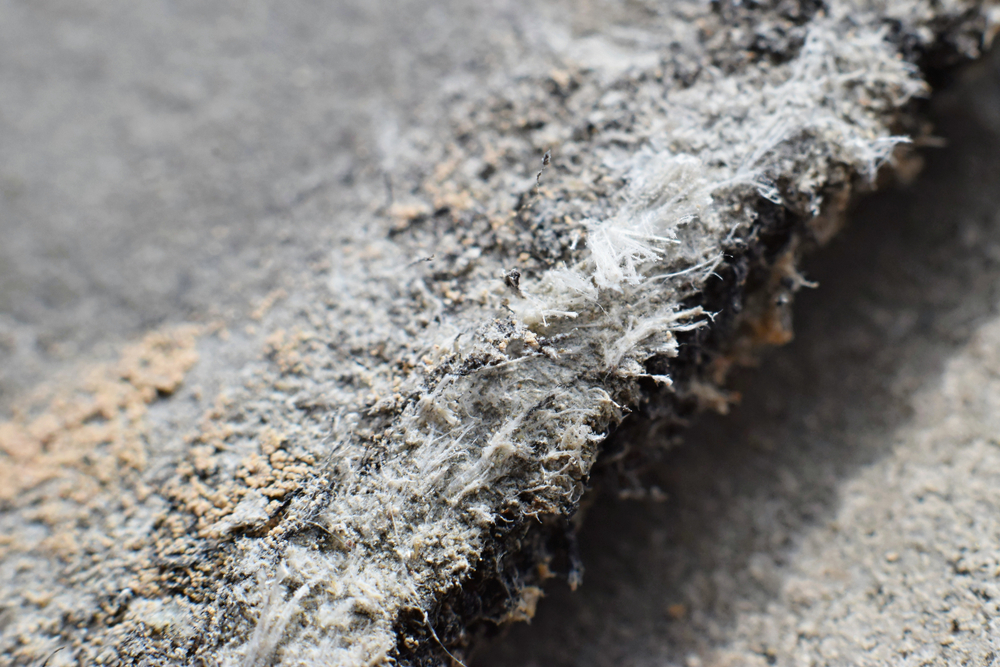
Asbestos is a naturally occurring mineral that was once widely used in construction due to its resistance to fire, durability, and insulating properties. However, it was later discovered that asbestos exposure can cause serious health problems such as mesothelioma, asbestosis, and lung cancer. In Concord, NC, the importance of asbestos removal is more relevant than ever, especially for homeowners living in properties built before the 1980s. Ensuring proper asbestos removal is not just a matter of health and safety but also a legal obligation for property owners.
The Risks of Asbestos in Concord, NC Homes
Many homes in Concord, NC, particularly those built before modern building codes took effect, may still contain asbestos in roofing materials, insulation, floor tiles, ceiling panels, and even exterior siding. While asbestos-containing materials are generally considered safe if left undisturbed, any renovation, demolition, or accidental damage can release harmful fibers into the air.
When inhaled, asbestos fibers can become lodged in the lungs and remain there for years. This prolonged exposure can lead to the development of serious respiratory illnesses. This is why both residential and commercial property owners must take asbestos concerns seriously. Proper testing and identification are critical before any major renovation project begins. Engaging a professional to conduct an inspection can determine the presence of asbestos and provide guidance on whether removal is necessary.
Licensed Asbestos Abatement in Concord: Why Certification Matters
When it comes to asbestos removal, hiring a licensed asbestos abatement contractor in Concord is not only strongly recommended but often legally required. The state of North Carolina enforces strict asbestos safety guidelines, and only professionals who have completed state-approved training and certification can handle the abatement process legally.
Licensed contractors have the necessary equipment, protective gear, and specialized knowledge to safely remove or encapsulate asbestos-containing materials. They follow rigorous containment procedures to prevent the spread of airborne fibers and ensure that all waste is disposed of at approved facilities. These steps are crucial in protecting not only the workers on-site but also the residents and the surrounding community.
In Concord, hiring a certified abatement team means you are complying with local and state regulations. It also minimizes liability in case of future property sales or legal claims. Attempting to perform asbestos removal without proper licensing can result in fines, health risks, and potential legal action. For homeowners, the peace of mind that comes with hiring a qualified professional is well worth the investment.
Residential Asbestos Abatement: What Homeowners Should Expect
Residential asbestos abatement in Concord typically begins with a comprehensive assessment. This involves collecting samples of suspected materials and sending them to a certified laboratory for analysis. Once asbestos is confirmed, the removal process is carefully planned to limit exposure and disruption.
During abatement, areas of the home may be sealed off using plastic sheeting and negative air pressure machines. This prevents fibers from spreading to other parts of the house. Workers wear protective suits and respirators and use specialized tools to remove or encapsulate asbestos-containing materials. In some cases, encapsulation may be recommended if removal poses too high a risk or if the asbestos is in a location that will remain undisturbed.
After removal, the area is thoroughly cleaned using HEPA vacuums and wet wiping methods. Air quality testing may also be conducted to ensure the space is safe to reoccupy. Homeowners should also receive documentation confirming that the removal was performed in compliance with North Carolina regulations. Keeping this record is important for insurance, resale, or future inspections.
Commercial Asbestos Removal in Concord: Navigating Larger Projects
For business owners and property managers in Concord, commercial asbestos removal presents unique challenges. Buildings such as schools, factories, offices, and retail centers often contain more extensive asbestos materials than homes, which can increase both the complexity and cost of removal.
Commercial properties must adhere to Occupational Safety and Health Administration (OSHA) standards, Environmental Protection Agency (EPA) guidelines, and North Carolina asbestos safety regulations. These rules cover everything from worker protection to waste disposal. Violations can result in costly penalties and damage to a company’s reputation.
Because of the scale of commercial projects, planning and coordination are essential. Business operations may need to be suspended or relocated during the abatement process. Clear communication with tenants, employees, and contractors is necessary to ensure a safe and smooth workflow. Many licensed abatement companies in Concord offer detailed project management services, including risk assessments, regulatory compliance support, and post-removal verification.
Working with an experienced commercial asbestos removal provider helps businesses meet compliance requirements and avoid operational disruptions. It also demonstrates a commitment to safety and responsibility, which can be vital in maintaining stakeholder trust and public credibility.
Complying with Asbestos Safety Guidelines in NC
The North Carolina Department of Health and Human Services (NCDHHS), along with the Division of Public Health, oversees asbestos-related activities across the state. Their asbestos safety guidelines apply to all types of buildings and provide direction for safe handling, removal, and disposal.
These guidelines include rules for notification, air monitoring, waste transportation, and worker training. For example, property owners must notify the state at least ten working days before beginning any regulated asbestos removal. Even small projects must comply with notification and recordkeeping standards if they involve friable (easily crumbled) asbestos.
Homeowners performing their own renovations should also be cautious. While non-commercial projects may not require the same level of oversight, the health risks remain. It is strongly recommended that anyone considering disturbing potential asbestos materials consult with a professional first. Testing and initial consultation are often affordable and can prevent costly mistakes.
Failure to comply with state safety rules can result in legal consequences and health hazards for occupants. By adhering to asbestos safety guidelines in NC, property owners not only protect their families or employees but also fulfill an essential civic responsibility.
Conclusion
Asbestos removal is a critical issue for homeowners and businesses in Concord, NC. Whether you are planning a home renovation or managing a commercial building, understanding the risks and legal requirements associated with asbestos is essential. Residential asbestos abatement must be handled carefully to prevent exposure and ensure compliance with state laws. Commercial asbestos removal, though more complex, is just as vital in protecting workers and maintaining public health standards.
Hiring a licensed asbestos abatement contractor in Concord ensures that your project meets all regulatory requirements and is conducted safely. Following North Carolina’s asbestos safety guidelines not only reduces liability but also fosters a healthier environment for everyone involved.
The importance of safe, compliant asbestos removal cannot be overstated. By acting responsibly and seeking professional help, you protect your investment, your health, and your community.
Need Remediation Services in Concord, NC?
Here at Concord Asbestos Abatement and Mitigation LLP, we take pride in providing top-notch remediation services tailored to meet your needs. As a family-owned and -operated business, we understand the importance of keeping your home or business safe and worry-free. Our knowledgeable team is committed to delivering exceptional service, maintaining cost-effective solutions, and ensuring every job site is left in pristine condition. Contact us today to schedule your consultation and experience the Concord difference!

As the temperature drops in Concord, NC, many homeowners notice an increase in condensation on windows, walls, and ceilings. While it may seem harmless, this moisture buildup can quietly contribute to more serious problems such as mold growth and even asbestos exposure. Understanding how cold weather affects moisture control is essential for keeping your home safe, healthy, and structurally sound during winter months.
The Science Behind Condensation and Cold Weather
Condensation occurs when warm, moist indoor air comes into contact with cold surfaces. The drop in temperature causes the water vapor to turn into liquid droplets. During the winter months in Concord, NC, homes are typically sealed tight to conserve heat, leading to limited ventilation. This lack of airflow traps humidity indoors, which then condenses on cooler surfaces like windows, basements, and attics.
The issue may seem minor at first, but over time, the repeated buildup of moisture creates an environment ideal for mold spores to thrive. Mold not only damages building materials but also poses health risks, especially for individuals with allergies, asthma, or weakened immune systems. The combination of cold air, inadequate insulation, and trapped humidity forms the perfect storm for hidden mold growth behind walls or under flooring.
The Connection Between Condensation and Asbestos Exposure
When moisture seeps into older building materials, it can also disturb substances that contain asbestos. Many homes built before the 1980s used asbestos in insulation, flooring, ceiling tiles, and even drywall joint compounds. In Concord, NC, where many residential and commercial structures date back several decades, condensation and water damage can become a catalyst for asbestos exposure.
Wet conditions can cause asbestos-containing materials to deteriorate, releasing microscopic fibers into the air. This is where condensation and asbestos exposure become dangerously linked. Once these fibers are airborne, they can be inhaled, leading to long-term health risks such as asbestosis, lung cancer, or mesothelioma. Even a small water leak or persistent humidity problem can destabilize old materials and increase the asbestos risk if proper remediation is not performed.
Moisture also complicates the asbestos abatement process. When water-damaged asbestos materials are handled incorrectly, it can amplify contamination throughout the property. Therefore, it is critical to work with certified asbestos professionals who understand both water damage remediation, NC regulations, and safe removal procedures.
Mold and Moisture: A Growing Concern in Concord, NC
The humid climate of Concord, NC makes moisture control a year-round challenge, but winter introduces specific risks. The difference between indoor heating and cold outdoor temperatures encourages condensation in poorly insulated areas, while limited air circulation traps excess humidity. If not managed, this environment fosters mold growth in places homeowners rarely inspect, such as inside HVAC ducts, behind wallpaper, or within crawl spaces.
Mold prevention in Concord, NC involves more than just cleaning visible growth. It requires addressing the root cause: moisture. Homeowners can reduce condensation by using dehumidifiers, maintaining indoor humidity levels below 50%, and ensuring proper insulation in walls and attics. Ventilation is equally important. Regularly running bathroom and kitchen exhaust fans and occasionally opening windows can help balance indoor air circulation during colder months.
However, if mold growth is already present, it should not be ignored. Mold can damage drywall, wooden beams, and insulation, creating costly repairs. Moreover, untreated mold issues can complicate asbestos-containing materials, increasing the potential for dual contamination that requires specialized water damage remediation in NC.
Safe Moisture Control and Asbestos Risk Management
Maintaining a dry home environment is the most effective way to prevent mold and minimize asbestos risk. Moisture control strategies should focus on identifying and addressing condensation points early. Simple steps like insulating pipes, sealing window frames, and repairing roof leaks can drastically reduce indoor humidity buildup.
If your home has a history of water damage or was constructed before 1980, professional inspection is strongly advised. Certified environmental specialists can test for both mold and asbestos, ensuring that any renovation or cleanup work does not disturb hazardous materials. Attempting DIY remediation in these situations can unintentionally worsen the problem, releasing asbestos fibers or spreading mold spores throughout the home.
It’s also important to manage any heating system or ventilation repairs carefully. HVAC systems that circulate moist air can spread contaminants rapidly, especially in older ductwork lined with asbestos insulation. Professional maintenance ensures that air filtration systems remain effective at capturing particles and preventing cross-contamination between rooms.
When severe water intrusion occurs—such as from burst pipes, flooding, or roof damage—immediate water damage remediation in NC becomes crucial. Certified technicians can extract moisture, disinfect affected areas, and perform controlled drying to prevent further structural deterioration. This comprehensive approach not only restores your property but also mitigates health hazards linked to moisture and asbestos exposure.
Protecting Your Home and Health Through Prevention
The best defense against winter mold and asbestos problems is proactive prevention. Regularly inspecting your home’s insulation, plumbing, and ventilation systems helps detect early warning signs of moisture intrusion. Condensation on windows, peeling paint, or musty odors can all indicate underlying issues that require attention.
Using energy-efficient windows and vapor barriers can also reduce condensation during Concord’s chilly winters. Likewise, routine gutter maintenance prevents water from seeping into foundation walls, where mold and asbestos materials may coexist. If you plan home improvements, consult professionals familiar with asbestos-safe construction practices. Even simple projects like installing new flooring or replacing insulation can disturb asbestos if not handled properly.
Additionally, keep an eye on your attic and crawl spaces—two areas often overlooked in winter maintenance. These zones are prone to trapped humidity and poor ventilation, especially if insulation is outdated. Installing moisture sensors or smart humidity monitors can help homeowners stay informed and respond promptly to changes in indoor air conditions.
Homeowners should also consider periodic mold and asbestos testing, especially after heavy rainstorms or cold snaps that lead to condensation surges. Testing offers peace of mind and can prevent small moisture problems from escalating into major health or financial burdens.
Conclusion
Cold weather and condensation may seem like minor inconveniences, but their effects can have lasting consequences for homes in Concord, NC. The link between moisture, mold, and asbestos is often overlooked, yet it represents one of the most significant health and safety challenges during the winter months. By understanding how condensation contributes to both mold growth and asbestos deterioration, homeowners can take the right preventive steps to safeguard their living spaces.
Effective moisture control not only supports comfort but also reduces the hidden dangers of mold and asbestos exposure. Whether it’s installing better insulation, scheduling routine inspections, or investing in professional water damage remediation in NC, proactive action pays off. Keeping your home dry, well-ventilated, and structurally sound ensures a healthier environment through the cold season and beyond.
In the end, managing winter mold and asbestos risks in Concord, NC comes down to vigilance and informed care. When homeowners recognize the hidden link between cold weather, condensation, and indoor pollutants, they can make smarter choices that protect both their property and their health year-round.
Need Remediation Services in Concord, NC?
Here at Concord Asbestos Abatement and Mitigation LLP, we take pride in providing top-notch remediation services tailored to meet your needs. As a family-owned and -operated business, we understand the importance of keeping your home or business safe and worry-free. Our knowledgeable team is committed to delivering exceptional service, maintaining cost-effective solutions, and ensuring every job site is left in pristine condition. Contact us today to schedule your consultation and experience the Concord difference!
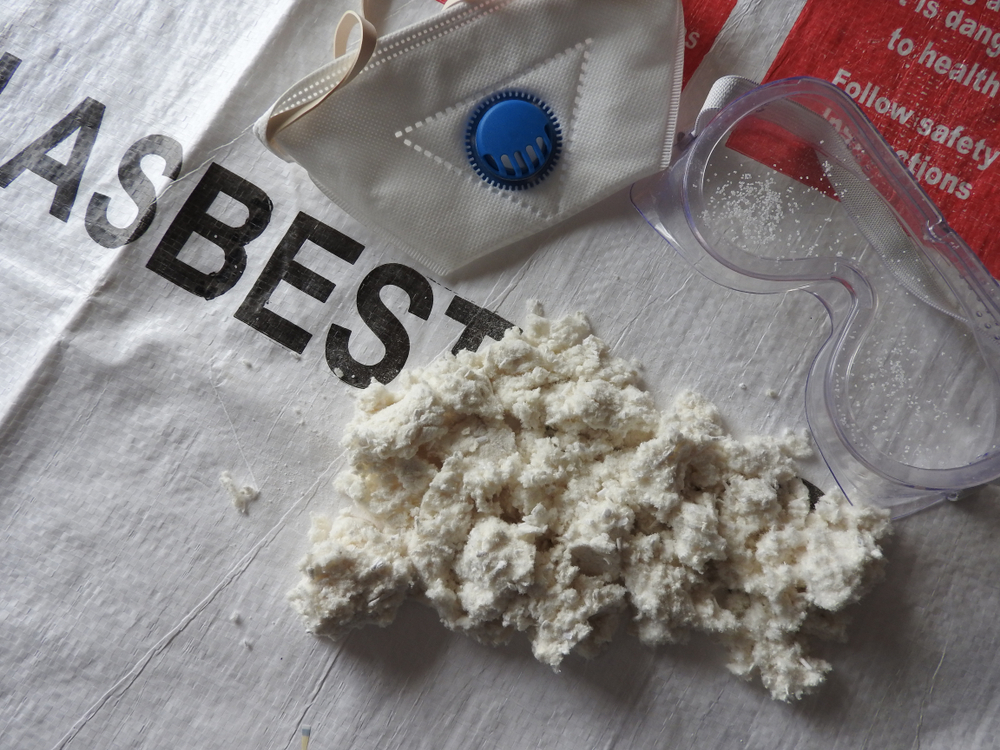
Asbestos was once hailed as a miracle material for insulation, flooring, siding, and countless other applications. Its resistance to heat, fire, and corrosion made it a popular choice in construction throughout much of the 20th century. However, as health risks became evident, asbestos use was curtailed and eventually banned in many applications. When asbestos-containing materials are disturbed, microscopic fibers can become airborne and inhaled. Long-term exposure has been linked to diseases such as mesothelioma, asbestosis, and lung cancer.
For homeowners and property managers in Concord, NC, understanding these risks is critical. Older buildings, especially those constructed before the 1980s, may contain asbestos in insulation, ceiling tiles, flooring adhesives, or roofing shingles. The presence of asbestos does not always pose an immediate hazard if materials remain intact and undisturbed. The challenge lies in deciding whether asbestos removal or asbestos encapsulation is the most appropriate strategy for your specific property.
What is Asbestos Encapsulation?
Asbestos encapsulation involves applying a sealant or protective barrier to asbestos-containing materials to prevent fibers from becoming airborne. This technique effectively locks asbestos fibers in place, reducing the risk of exposure while allowing the material to remain in place. In Concord, NC, encapsulation has gained popularity for properties where complete asbestos removal may not be practical due to cost, structural disruption, or the condition of the building.
The process usually involves specialized coatings that either penetrate and bind the asbestos material or cover it with a durable layer. Once encapsulated, the material remains stable as long as it is not disturbed by renovation, water damage, or natural deterioration.
The pros and cons of asbestos encapsulation must be carefully considered. On one hand, it can be a cost-effective and less invasive solution compared to removal. On the other, encapsulation does not eliminate asbestos from the property. If future renovations require disturbing the material, the risk will return, and removal may become unavoidable.
What is Asbestos Removal?
Asbestos removal is the complete elimination of asbestos-containing materials from a property. This process is often more complex, requiring specialized equipment, strict containment measures, and trained professionals. In Concord, NC, asbestos removal is typically chosen when asbestos is in poor condition, friable, or located in areas that are likely to be disturbed.
Unlike encapsulation, removal permanently eliminates asbestos risks from the property. Once materials are safely removed and properly disposed of, there is no ongoing concern about hidden asbestos. However, removal can be significantly more expensive than encapsulation. It also carries risks during the removal process itself, as disturbing asbestos releases fibers that must be carefully managed.
Property owners must also consider the impact on occupants during removal. Depending on the scope of work, temporary relocation may be necessary. Additionally, removal can sometimes involve dismantling walls, floors, or ceilings, leading to more extensive repairs afterward. Despite these challenges, many owners find that the peace of mind associated with complete asbestos elimination makes removal the right choice in the long term.
Remediation vs Removal: Key Considerations
When weighing remediation vs removal asbestos strategies, the decision often comes down to balancing safety, cost, and long-term property plans. Remediation generally refers to methods like encapsulation, enclosure, or repair that manage asbestos in place rather than eliminate it. These options are less disruptive and often more affordable upfront. For properties in Concord, NC, remediation can be a viable solution if the asbestos materials are in good condition and unlikely to be disturbed.
Removal, on the other hand, is typically advised if asbestos is friable, crumbling, or located in high-traffic areas where it is more likely to be damaged. For instance, asbestos insulation around pipes that are frequently serviced poses a higher risk than asbestos flooring in a seldom-used room. Long-term property value is also a consideration. Buyers are increasingly wary of purchasing properties with known asbestos, even if encapsulated, so complete removal may enhance resale potential.
Both remediation and removal require compliance with federal, state, and local regulations. In Concord, NC, licensed asbestos professionals must perform these services to ensure safety and proper disposal. DIY attempts are both dangerous and illegal, carrying significant fines and potential health consequences.
Pros and Cons of Asbestos Encapsulation vs Removal
Property owners often struggle with the choice between asbestos encapsulation and asbestos removal. Understanding the pros and cons of asbestos encapsulation in comparison to removal helps clarify the best path forward.
Encapsulation offers lower upfront costs, minimal disruption, and effective short-term protection. It allows owners to avoid the expense of tearing out walls or ceilings while still reducing exposure risk. However, encapsulation is not permanent. Over time, encapsulated materials can degrade, particularly in humid climates or areas prone to leaks. Future renovations may disturb encapsulated asbestos, leading to additional costs and renewed safety concerns.
Removal, while more expensive and disruptive initially, is the definitive solution. Once asbestos is removed, there is no ongoing risk, and the property’s long-term safety and value are secured. For families planning to stay in their Concord, NC homes for decades, or for businesses seeking to eliminate liability concerns, removal can be the most prudent investment. The decision often hinges on whether property owners prioritize lower immediate costs or long-term security.
Conclusion
For property owners in Concord, NC, deciding between asbestos encapsulation and asbestos removal is not a simple matter. Each approach has its benefits and drawbacks, and the right solution depends on the condition of the asbestos, the intended use of the property, and long-term goals. Encapsulation may provide a cost-effective interim solution, particularly when asbestos is stable and unlikely to be disturbed. However, removal offers peace of mind and lasting protection by eliminating asbestos entirely.
When facing this decision, professional consultation is essential. Certified asbestos specialists in Concord can inspect your property, test materials, and recommend whether remediation vs removal asbestos strategies make the most sense. Whether you choose encapsulation or removal, the key is ensuring the work is done safely, legally, and effectively to protect both occupants and property value.
Need Remediation Services in Concord, NC?
Here at Concord Asbestos Abatement and Mitigation LLP, we take pride in providing top-notch remediation services tailored to meet your needs. As a family-owned and -operated business, we understand the importance of keeping your home or business safe and worry-free. Our knowledgeable team is committed to delivering exceptional service, maintaining cost-effective solutions, and ensuring every job site is left in pristine condition. Contact us today to schedule your consultation and experience the Concord difference!

