

Asbestos Testing Before Demolition in Concord, Albemarle & Denver NC: What You Need to Know
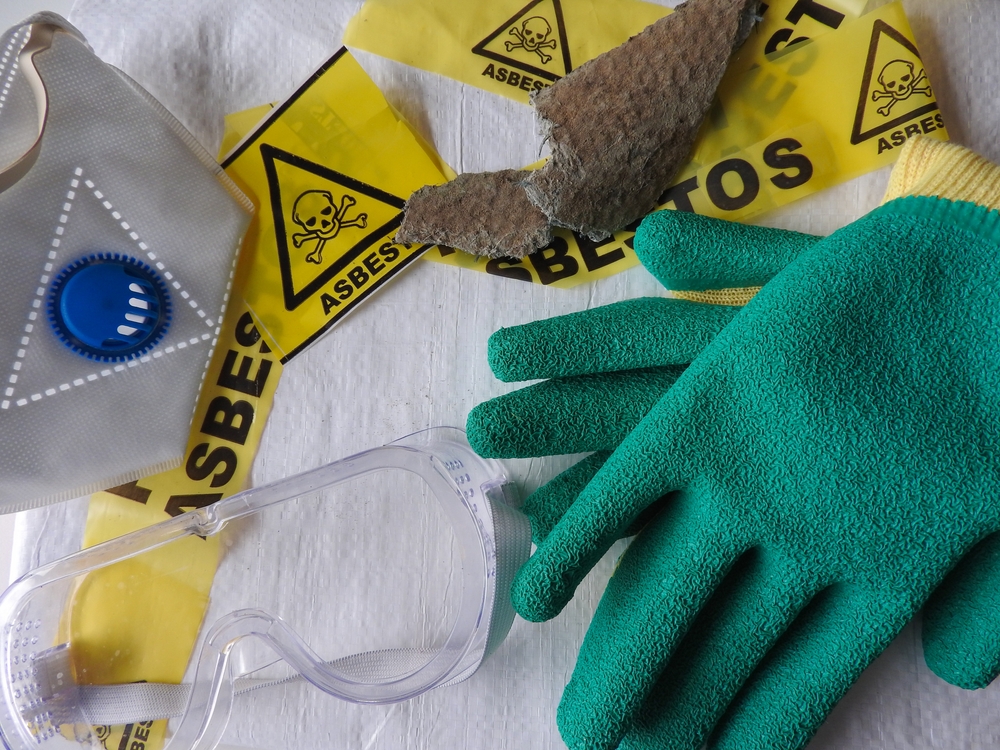
Planning to tear down an older home, commercial building, or outbuilding in Concord, Albemarle, or Denver, NC? Before demolition equipment arrives, there is one important concern that property owners should address: asbestos. Materials hidden behind walls, beneath flooring, or around old pipes can create exposure risks when disturbed.
Quick Answer: Asbestos testing before demolition helps determine whether a building contains asbestos-containing materials that could release harmful fibers during removal. In North Carolina, covered demolition projects generally require an asbestos inspection by an accredited professional, and state notification may be required even when no asbestos is found. Certain private residential projects qualify for exemptions, so requirements depend on the building and project scope. Testing early helps property owners plan necessary abatement, permits, and demolition schedules.
What local property owners should know
-
Asbestos cannot be reliably identified by appearance alone. Suspect materials need professional inspection and laboratory testing.
-
Older residential and commercial buildings in Cabarrus County may contain asbestos in flooring, insulation, ceiling materials, or siding.
-
Property owners in Albemarle and Stanly County should review asbestos requirements before beginning structural demolition.
-
Denver property owners near Lake Norman should coordinate applicable asbestos requirements with Lincoln County demolition permitting.
-
Testing and any necessary asbestos abatement should be addressed before demolition activities disturb suspect materials.
Why this matters locally: Properties throughout downtown Concord, established Albemarle neighborhoods, and the Lake Norman area have different construction histories. Previous renovations may have left asbestos-containing materials concealed beneath newer finishes. Identifying those materials before demolition helps prevent unexpected exposure, interruptions, and additional cleanup expenses.
At Concord Asbestos Abatement and Mitigation LLP, we encourage property owners to address potential asbestos hazards early so demolition decisions can be made with better information.
North Carolina Asbestos Testing and Demolition Requirements
North Carolina asbestos regulations require careful evaluation of covered buildings before demolition begins. According to the North Carolina Department of Health and Human Services, covered facilities must undergo an asbestos inspection, and demolition notifications generally must be submitted at least 10 working days before work starts, even when asbestos is not found.
The state’s Health Hazards Control Unit also administers asbestos removal permits. Permit requirements depend on the amount and classification of asbestos-containing material involved.
One important distinction involves residential properties. Under federal asbestos regulations, an isolated residential building with four or fewer dwelling units is generally exempt from certain demolition requirements. However, that exemption may not apply when homes are demolished as part of commercial development or a larger coordinated project.
For local projects, confirm requirements with the appropriate authorities:
-
Concord: City of Concord and Cabarrus County building authorities.
-
Albemarle: City of Albemarle and Stanly County Central Permitting.
-
Denver: Lincoln County Planning and Inspections.
Local demolition permits are separate from applicable state asbestos notifications and permits.
How Asbestos Can Affect Local Demolition Projects
Asbestos can affect demolition projects by creating exposure concerns, additional preparation requirements, and scheduling changes. For homeowners and commercial property owners across Concord, Albemarle, and Denver, discovering asbestos after demolition begins may mean stopping work until the material is evaluated and an appropriate handling plan is established.
Potential consequences include:
-
Delays while suspect materials undergo laboratory testing.
-
Additional expenses for regulated asbestos removal.
-
Contamination of surrounding surfaces or building debris.
-
Worker and occupant exposure to airborne asbestos fibers.
-
Changes to waste handling and disposal arrangements.
Identifying asbestos before demolition allows contractors and property owners to address these concerns before the demolition area becomes difficult to control.
Warning Signs That Asbestos Testing May Be Needed
Asbestos testing may be needed whenever demolition will disturb older or unidentified building materials. Although no visual feature can confirm that asbestos is present, certain materials and construction conditions in local buildings provide good reasons to arrange professional evaluation before cutting, crushing, or removing structural components.
Watch for these situations:
-
Older vinyl flooring: Floor tiles or adhesive beneath newer flooring may contain asbestos.
-
Aging pipe insulation: Wrapped pipes, heating equipment, and mechanical systems may contain asbestos insulation.
-
Textured ceilings: Some ceiling finishes and ceiling tiles contain asbestos.
-
Cement siding or roofing: Certain older exterior products were manufactured with asbestos.
-
Old insulation: Some attic, wall, and mechanical insulation materials warrant further investigation.
-
Multiple renovation layers: New flooring, drywall, or finishes may conceal suspect materials.
-
Unknown construction history: Missing renovation records make it harder to identify potentially hazardous products.
These conditions do not prove asbestos is present. Laboratory analysis is necessary to confirm the material.
When to Call an Asbestos Professional
Call a qualified asbestos professional before demolition if the project involves suspect materials, an older building, or a structure subject to asbestos inspection requirements. An accredited inspector can evaluate accessible materials, collect appropriate samples, and determine what additional assessment may be needed before demolition activities begin.
Property owners can safely review building records, identify previous remodeling work, and document visible materials without disturbing them.
However, avoid drilling, sanding, scraping, pulling apart insulation, or collecting samples without appropriate training and controls.
For projects around downtown Concord, the Albemarle business district, or Denver’s residential communities, early professional involvement can help coordinate the asbestos assessment with the demolition schedule.
Common Local Situations That Disturb Asbestos
Asbestos exposure concerns arise when asbestos-containing materials are damaged or disturbed and fibers become airborne. Across Cabarrus, Stanly, and Lincoln counties, demolition work can affect flooring, roofing, insulation, and concealed building components. Even materials that appear intact before demolition may become hazardous when broken, crushed, or mechanically removed.
Common situations include:
-
Complete building demolition: Heavy equipment can break apart multiple material types at once.
-
Interior demolition: Removing floors, ceilings, and partitions can disturb concealed products.
-
Roof and siding removal: Older exterior materials may contain asbestos.
-
Mechanical system removal: Pipes, boilers, and heating equipment may have asbestos insulation.
-
Storm-damage reconstruction: Damaged building materials may need evaluation before removal.
Each situation requires an assessment based on the materials involved and how the work will be performed.
Prevention and Preparation Before Demolition
Preventing asbestos exposure during demolition starts with identifying suspect materials before construction activities disturb them. Local homeowners and contractors should include asbestos review in their early planning, rather than waiting until demolition equipment or dumpsters arrive on the property.
A practical preparation checklist includes:
-
Review the building’s construction and renovation history.
-
Arrange an inspection with a North Carolina-accredited asbestos inspector when appropriate.
-
Obtain laboratory results for suspect materials.
-
Determine whether regulated asbestos removal is necessary.
-
Confirm applicable state notifications and local demolition permits.
-
Establish a safe removal and waste disposal plan before proceeding.
For properties near Lake Norman, include utility disconnections and any applicable site requirements in the overall demolition plan.
What to Expect From Professional Asbestos Testing
Professional asbestos testing provides documented information about sampled building materials and whether they contain asbestos. For a demolition project in Concord or surrounding communities, the process generally begins with a building assessment, followed by controlled sample collection and laboratory analysis of materials that may be disturbed.
The resulting inspection report can help identify:
-
Locations of confirmed asbestos-containing materials.
-
Types and quantities of affected materials, where assessed.
-
Areas needing additional investigation.
-
Information relevant to abatement planning.
-
Potential state notification and permit considerations.
A negative result applies to the materials and areas adequately evaluated. It should not be treated as proof that every concealed building component is asbestos-free.
Common Mistakes Property Owners Should Avoid
Common asbestos-related demolition mistakes involve beginning work before identifying suspect materials or assuming that ordinary demolition procedures are sufficient. Property owners in Albemarle, Denver, and nearby communities can avoid unnecessary risk by treating asbestos evaluation as a separate planning step.
Mistake: Assuming an older building contains no asbestos because it looks renovated.
Consequence: New finishes may hide asbestos-containing materials.
Better approach: Review underlying materials before demolition.
Mistake: Relying on appearance instead of testing.
Consequence: Potential asbestos-containing materials may be handled incorrectly.
Better approach: Use professional inspection and laboratory analysis.
Mistake: Assuming a demolition permit covers asbestos compliance.
Consequence: Separate state requirements may be overlooked.
Better approach: Verify local and state obligations independently.
Mistake: Removing suspect materials without proper precautions.
Consequence: Fibers may spread into occupied spaces or surrounding debris.
Better approach: Consult qualified professionals before disturbance.
Common Local Scenario: Demolishing an Older Property
A common local scenario involves an older residential property in Cabarrus County scheduled for demolition before new construction. The homeowner has obtained a demolition estimate but has not evaluated the building’s flooring, insulation, or siding for asbestos.
During project planning, several materials are identified as potentially containing asbestos.
Rather than beginning demolition and addressing the materials afterward, the owner arranges an appropriate inspection and testing. The findings establish whether asbestos is present and help determine what removal work or regulatory steps may be necessary.
This hypothetical situation illustrates why asbestos evaluation should occur before the demolition contractor begins disturbing the building.
Related Asbestos Services and Solutions
Asbestos inspection, laboratory testing, and professional abatement address different stages of demolition preparation. For property owners throughout the greater Concord area, understanding these services makes it easier to coordinate the right work without paying for unnecessary removal or overlooking confirmed hazards.
Relevant solutions include:
-
Asbestos inspection: Evaluating building materials and documenting potential asbestos locations.
-
Asbestos testing: Analyzing collected material samples through an appropriate laboratory.
-
Asbestos abatement: Controlling or removing asbestos-containing materials using methods suitable for the project.
-
Asbestos waste management: Handling and disposing of regulated waste according to applicable requirements.
We can discuss asbestos-related concerns and help property owners identify appropriate next steps before demolition.
Comparing Asbestos Testing With Skipping Testing
Asbestos testing provides information that visual inspection or assumptions alone cannot establish. Although some private residential projects are exempt from specific regulatory requirements, skipping a recommended assessment can leave property owners uncertain about materials that will become disturbed during demolition.
| With professional asbestos testing | Without asbestos testing |
|---|---|
| Suspect materials are evaluated. | Materials remain unidentified. |
| Laboratory results help guide decisions. | Decisions rely on assumptions. |
| Necessary abatement can be planned. | Hazardous materials may be discovered during demolition. |
| Regulatory planning is better informed. | Applicable requirements may be overlooked. |
| Demolition coordination can account for known hazards. | Unexpected work interruptions become more likely. |
Testing does not eliminate every project risk, but it provides a stronger basis for making informed decisions.
Service Areas Around Concord, Albemarle, and Denver
Property owners in Concord and surrounding Cabarrus County communities, including Kannapolis, Harrisburg, and Mount Pleasant, should consider asbestos risks before demolishing older structures. Similar concerns apply in Albemarle and nearby Stanly County communities such as Locust and New London.
In the Denver area, homeowners and commercial property owners in Lincoln County, including communities near Lake Norman, should also address potentially asbestos-containing materials before demolition.
The Cost of Ignoring Asbestos Before Demolition
Ignoring potential asbestos before demolition can lead to avoidable costs associated with work interruptions, contamination, specialized cleanup, and improper waste handling. In North Carolina, failing to follow applicable asbestos regulations can also create enforcement concerns, making early assessment a practical part of responsible project planning.
The financial impact depends on the materials, contamination extent, and corrective work required.
For a commercial demolition in Concord or a residential redevelopment project in Albemarle, these unexpected issues may affect multiple contractors and project deadlines.
Resolving questions before demolition is generally easier than addressing disturbed asbestos after debris has spread.
Frequently Asked Questions About Asbestos Testing Before Demolition
1. Is asbestos testing required before demolishing a house in Concord, NC?
Asbestos testing requirements depend on the building and demolition project. Certain isolated residential buildings with four or fewer dwelling units are generally exempt from federal asbestos demolition requirements, while commercial and larger redevelopment projects may be covered. Homeowners should confirm applicable state and local requirements before beginning demolition.
2. Where might asbestos be found in older Albemarle homes?
Asbestos may be present in certain older flooring materials, ceiling finishes, siding, roofing, and pipe insulation. Buildings in Albemarle and other Stanly County communities may have undergone renovations that concealed original materials. A North Carolina-accredited asbestos inspector can identify suspect materials and arrange appropriate laboratory testing.
3. Do Denver, NC, property owners need a demolition permit?
Yes, Lincoln County requires a demolition permit when a structure is completely razed and utilities are permanently disconnected. Property owners in Denver should contact Lincoln County Planning and Inspections about permit requirements and separately determine whether state asbestos inspection, notification, or removal rules apply to their project.
4. Can demolition proceed if asbestos is found?
Demolition may proceed after applicable asbestos requirements have been satisfied and materials have been appropriately addressed. Depending on the asbestos type, condition, quantities, and planned demolition methods, removal or other regulated handling may be necessary. A qualified professional can help determine appropriate steps before the demolition contractor resumes work.
5. How long does asbestos testing take before demolition in Cabarrus County?
The time needed for asbestos testing depends on property size, accessibility, the number of samples, and laboratory processing. Inspection and laboratory turnaround are separate from any required abatement or regulatory waiting period. Property owners should schedule testing early rather than assuming results will be available immediately before demolition.
6. Is asbestos notification required even if no asbestos is found in North Carolina?
Yes, for demolition projects covered by applicable asbestos regulations, notification is generally required even when no asbestos is identified. The North Carolina Health Hazards Control Unit typically requires notification at least 10 working days before covered demolition activities. Certain private residential projects are exempt, so the building’s status and project purpose matter.
7. Can homeowners remove asbestos themselves before demolition?
North Carolina provides certain homeowner renovation exemptions, but they do not eliminate asbestos exposure risks or automatically apply to every demolition project. Commercial work and covered demolition activities have additional requirements. Property owners should avoid disturbing suspect materials and consult a qualified asbestos professional about safe handling and applicable regulations.
8. What should I do if suspect asbestos is discovered after demolition starts?
Stop work in the affected area and avoid further disturbing the suspect material. Do not sweep, vacuum with an ordinary household vacuum, or move potentially contaminated debris. Arrange professional evaluation and determine whether notification, containment, or cleanup is required before demolition continues. This applies to properties throughout Concord, Albemarle, and Denver.
Plan Your Demolition With Greater Confidence
Asbestos testing before demolition helps property owners understand potential hazards, make informed decisions, and prepare for safer building removal. Whether you are clearing an older house in Concord, preparing a commercial property in Albemarle, or planning demolition near Denver, addressing asbestos concerns early can help reduce unexpected complications.
We believe property owners deserve clear information about asbestos risks before making major decisions about their buildings.
Protect Your Property Before Demolition Begins
Get guidance on asbestos-related concerns and the appropriate next steps for your local demolition project.