

Mold Removal in Concord, NC: Why Moisture Problems Keep Coming Back
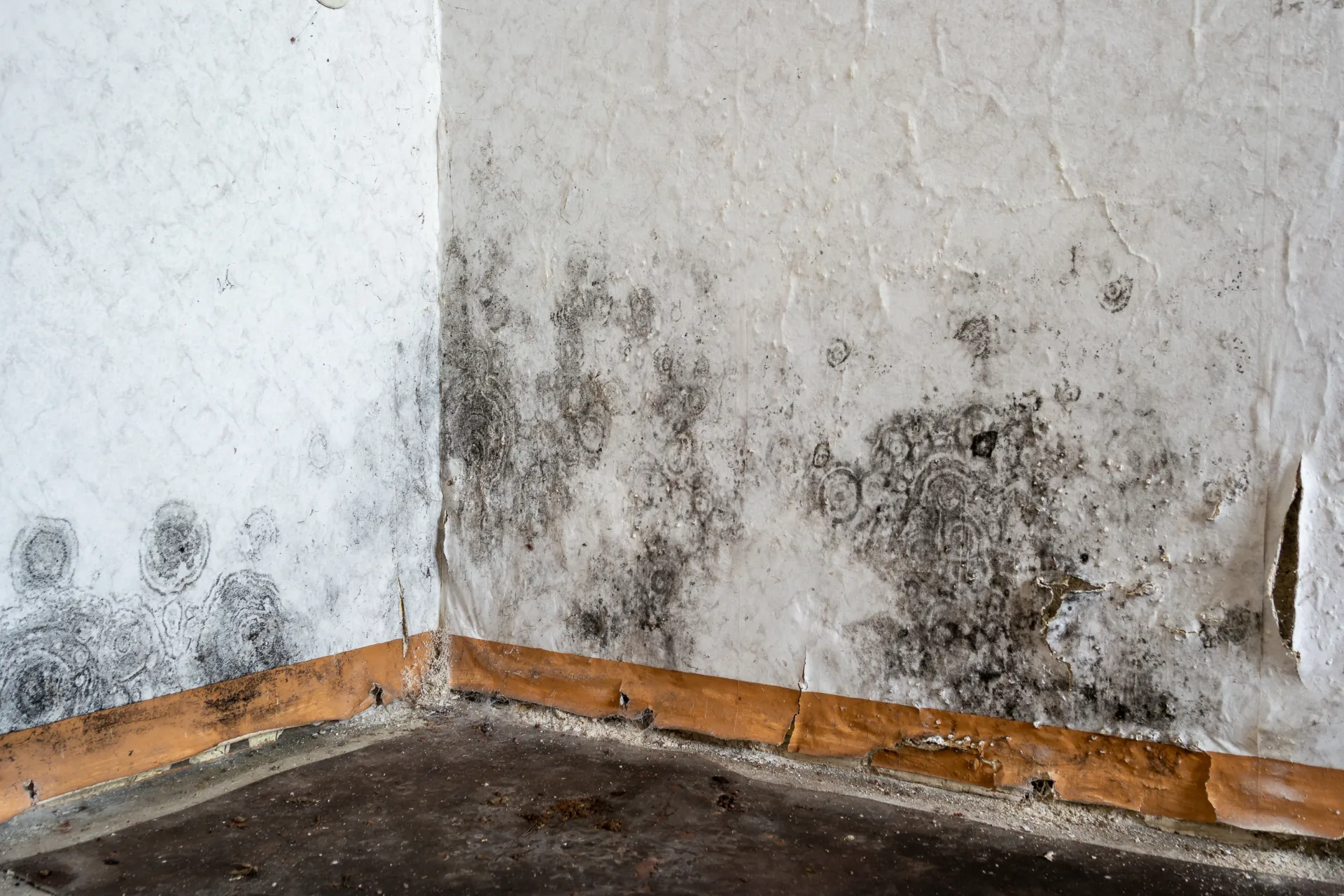
A musty room can seem fixed after visible mold is cleaned, only for the odor or staining to return a few weeks later. In Concord, humid weather, heavy rain, plumbing leaks, crawl space moisture, and poorly controlled indoor humidity can all create conditions that allow recurring mold problems.
Mold removal addresses existing growth, but lasting results depend on finding and correcting the moisture source that allowed it to develop. If water continues entering a wall, condensation keeps forming, or a crawl space stays damp, cleaning the affected surface alone may not solve the underlying problem. Local property owners should think of mold and moisture as two parts of the same issue.
What local readers should know
-
Recurring mold usually indicates that moisture, humidity, or water intrusion has not been fully corrected.
-
Concord’s warm, humid periods can make damp crawl spaces, bathrooms, basements, and poorly ventilated areas more difficult to keep dry.
-
Stormwater and roof or drainage problems can introduce moisture into properties throughout Cabarrus County.
-
Hidden moisture may remain behind drywall, beneath flooring, around plumbing, or inside other building materials even when a surface appears dry.
-
Effective mold remediation should be paired with appropriate moisture correction whenever an ongoing source is identified.
Why Does Mold Keep Coming Back in Concord, NC?
Mold keeps coming back when a property continues to provide the moisture needed for new growth, whether from leaks, elevated humidity, condensation, drainage problems, or damp building materials. In Concord, controlling that moisture source is a critical part of preventing the same affected area from developing problems again.
Properties around Downtown Concord, Gibson Village, Poplar Tent, and other parts of Cabarrus County can have very different construction styles and moisture concerns. An older building may have aging plumbing or roof vulnerabilities, while another home may experience crawl space humidity or condensation around HVAC components.
Concord Asbestos Abatement and Mitigation LLP helps property owners evaluate mold-related concerns and the conditions associated with them. Our goal is to look beyond visible staining so the underlying moisture problem can be considered as part of the solution.
What Do Local Conditions Tell Us About Recurring Moisture?
Local conditions show that moisture problems can come from both outdoor water and indoor humidity, especially during warm, humid periods and after substantial rainfall. For Concord properties, recurring problems often deserve a broader look at drainage, plumbing, ventilation, crawl spaces, roofing, and indoor moisture rather than another round of surface cleaning.
This is best treated as a practical field observation rather than a claim that every local property experiences the same problem. Homes near Rocky River, Lake Concord, Harrisburg, Kannapolis, and central Cabarrus County vary considerably in age, construction, drainage, landscaping, and maintenance history.
That means the moisture source needs to be identified at the individual property rather than assumed from location alone.
How Can Recurring Mold Affect a Local Property?
Recurring mold can signal persistent dampness that may continue affecting drywall, insulation, wood, flooring, finishes, and other moisture-sensitive materials. For Concord homeowners and businesses, repeated cleanup can also mean additional disruption and expense when the water or humidity problem responsible for the growth remains unresolved.
Moisture can spread farther than a visible stain suggests. A plumbing leak, for example, may wet the back of drywall or materials beneath a finished floor. A damp crawl space may also require attention to moisture conditions rather than simply treating visible growth.
Finding the source early can help limit the amount of material exposed to continuing moisture.
What Are the Warning Signs of a Moisture Problem?
Warning signs of a continuing moisture problem include mold that returns after cleaning, persistent musty odors, water stains, condensation, damp building materials, peeling finishes, and unexplained areas of elevated moisture. Concord property owners who notice several of these conditions together should investigate the source instead of repeatedly treating the visible symptom.
Watch for:
-
Mold or discoloration returning in the same location.
-
A persistent musty odor in a room, closet, crawl space, or other enclosed area.
-
Water stains on ceilings or walls.
-
Condensation collecting around windows, ducts, pipes, or other cool surfaces.
-
Damp insulation, wood, drywall, carpet, or flooring.
-
Paint bubbling, peeling, or losing adhesion.
-
Moisture appearing after storms or periods of heavy rain.
-
Repeated dampness around sinks, bathrooms, laundry areas, or plumbing fixtures.
When Should You Call a Mold Professional?
A professional should be considered when mold keeps returning, the affected area may extend into concealed materials, the moisture source is uncertain, or water damage involves areas that cannot be safely inspected or cleaned by the property owner. Recurring mold in a Concord property is particularly worth investigating because repeated cleaning does not identify hidden moisture.
Homeowners can safely monitor indoor humidity, look for obvious plumbing drips, check visible areas after storms, and keep bathrooms and kitchens properly ventilated. DIY work should stop when accessing the affected material could create additional exposure, when contamination appears extensive, or when demolition may be necessary.
What Commonly Causes Recurring Mold in Concord?
Common causes of recurring mold include plumbing leaks, roof or exterior water intrusion, damp crawl spaces, condensation, elevated indoor humidity, and drainage problems that repeatedly expose building materials to moisture. Across Concord and surrounding Cabarrus County communities, the exact cause can change from one property to the next.
Plumbing leaks: Slow leaks behind walls, beneath sinks, or around fixtures can keep materials damp without producing an obvious puddle.
Crawl space moisture: Damp soil, drainage conditions, or humid air can contribute to persistent moisture beneath a home.
Roof and exterior intrusion: Water entering around damaged roofing, flashing, windows, doors, or exterior penetrations can wet concealed materials.
Condensation: Cool pipes, ducts, or surfaces may collect condensation when humid air reaches them.
Indoor humidity: Bathrooms, kitchens, laundry areas, and poorly ventilated spaces can retain excessive moisture.
Drainage issues: Gutters, downspouts, grading, and exterior drainage can influence how much rainwater collects near a building.
How Can Concord Property Owners Reduce Recurring Moisture?
Property owners can reduce recurring moisture by repairing known leaks, managing indoor humidity, maintaining drainage systems, using ventilation where appropriate, and checking vulnerable areas after significant rain. In the Concord area, prevention works best as an ongoing property maintenance practice rather than a one-time response after mold becomes visible.
Check plumbing connections and fixtures periodically. Keep gutters and downspouts functioning and direct water appropriately away from the structure. Look through attics, crawl spaces, utility areas, and rooms with previous water damage for new signs of dampness.
After storms, inspect areas where water has entered before. Inside the property, use bathroom and kitchen ventilation appropriately and watch for recurring condensation.
What Results Should You Expect From Mold Remediation?
Mold remediation should address affected materials while moisture correction targets the conditions that allowed the growth to occur, but the exact work required depends on the property and source of moisture. A Concord homeowner should expect recommendations to reflect what is actually found rather than assume every mold problem needs the same treatment.
Some materials may be cleanable, while others may require removal depending on their condition and the extent of contamination. Moisture sources may also require separate repairs by the appropriate trade.
The realistic goal is to address existing contamination and reduce the conditions that support recurrence. No responsible approach should promise that mold can never appear again if future water damage or excessive moisture occurs.
What Mistakes Lead to Mold Coming Back?
The most common mistake is treating visible mold as the entire problem instead of asking why that area became damp enough for growth in the first place. In Concord homes and commercial properties, a better approach is to connect cleanup with investigation and correction of leaks, humidity, condensation, or water intrusion.
Mistake: Painting over a recurring stain.
Consequence: The underlying damp material may remain unchanged.
Better approach: Determine whether moisture is present before refinishing the surface.
Mistake: Cleaning mold without checking for a leak.
Consequence: Growth may return when the area becomes damp again.
Better approach: Inspect nearby plumbing, roofing, drainage, and other possible sources.
Mistake: Assuming a musty crawl space is normal.
Consequence: Persistent moisture may continue unnoticed.
Better approach: Investigate why the space stays damp and what corrective measures are appropriate.
What Does a Common Local Mold Scenario Look Like?
A common local scenario is a homeowner who cleans recurring discoloration near an exterior wall after periods of wet weather, only to notice that the stain and musty odor return later. This is an illustrative Concord-area scenario, not a case study or description of a specific customer property.
The visible area may be only part of the issue. Moisture could be entering around an exterior component, developing from condensation, or reaching materials from another source.
Instead of repeatedly cleaning the wall, the next step is to determine where the moisture originates and whether concealed materials have also been affected.
Which Services Can Address the Problem?
Mold-related services can address contaminated materials, while moisture investigation and the appropriate repairs help address the conditions responsible for recurring growth. Our role is to help Concord property owners understand the affected area and determine what mold remediation work may be appropriate based on the conditions present.
Where another building system is responsible for the moisture, such as plumbing or roofing, that underlying problem may need attention from the appropriate professional as part of the overall solution.
How Do DIY Cleanup and Professional Mold Removal Compare?
DIY cleanup may be appropriate for limited, straightforward situations where the moisture source is known and the affected area can be handled safely, while professional evaluation becomes more useful when mold returns, spreads, involves concealed materials, or has an uncertain source. The deciding factor should be the conditions present, not simply whether mold is visible.
Repeated DIY cleaning can become a cycle if moisture remains behind a wall, under flooring, or in another inaccessible location. Professional service provides a path for evaluating more complicated conditions and determining the appropriate remediation approach.
Where Do We Serve Around Concord?
Our local service focus includes Concord and surrounding communities where property owners may encounter recurring mold and moisture concerns. Nearby areas such as Kannapolis and Harrisburg, along with other parts of Cabarrus County, can experience similar building moisture challenges depending on the property, drainage, weather exposure, and construction.
Service availability for a specific address should be confirmed when scheduling.
What Can Happen If You Ignore Recurring Moisture?
Ignoring recurring moisture can allow building materials to remain damp and may lead to additional deterioration, a larger affected area, or repeated remediation expenses. For local property owners, addressing the source sooner can reduce the chance that a manageable leak, condensation issue, or drainage problem continues affecting more of the structure.
Waiting is especially risky when staining grows after rain, materials feel persistently damp, or a musty odor keeps returning. Those signs suggest that the condition deserves investigation rather than another cosmetic repair.
FAQ
Does mold come back after removal in Concord, NC?
Yes, mold can return after removal if moisture conditions develop again or the original moisture source was not corrected. In Concord, recurring humidity, plumbing leaks, storm-related water intrusion, condensation, and crawl space dampness are among the conditions worth investigating when the same area repeatedly develops mold.
Why does mold keep appearing in the same place?
Mold repeatedly appearing in one location often suggests that the area is becoming damp again. A leak, condensation, exterior water intrusion, or moisture behind the finished surface may be involved. Cleaning visible growth without determining why the material keeps getting wet may allow the problem to repeat.
Are crawl spaces a moisture concern in Cabarrus County?
Yes, crawl spaces can develop moisture concerns depending on drainage, soil moisture, ventilation, humidity, and the individual building. Cabarrus County homeowners who notice musty odors, damp wood, condensation, or visible growth beneath their homes should investigate the conditions rather than assume crawl space dampness is unavoidable.
Can Concord’s humid weather contribute to indoor mold?
Humid conditions can contribute when indoor moisture remains high enough for surfaces or materials to stay damp. Concord homeowners can reduce risk by monitoring humidity, using appropriate ventilation, addressing condensation, and repairing leaks promptly. Weather alone does not determine whether a particular home will develop a mold problem.
Should I paint over mold stains?
Painting over a mold stain does not correct the moisture condition that caused it. Before refinishing a wall or ceiling, determine whether the material is dry and why the staining occurred. If discoloration keeps returning in a Concord property, investigate for leaks or hidden moisture before treating it as a cosmetic issue.
Can a roof leak cause hidden mold?
Yes, a roof leak can wet insulation, framing, ceilings, and wall materials before obvious interior damage appears. After significant rain, property owners should check areas with a history of roof or ceiling leaks. Recurring staining or musty odors may indicate that additional investigation is appropriate.
When should a Concord homeowner seek professional mold removal?
A Concord homeowner should consider professional assistance when mold repeatedly returns, appears extensive, may be hidden inside building assemblies, or involves a moisture source that is difficult to identify. Professional evaluation can also be appropriate when safely accessing or disturbing affected materials is beyond reasonable DIY maintenance.
Does removing mold fix the moisture problem?
No, mold removal by itself does not necessarily repair a leak, drainage problem, condensation source, or other moisture condition. Effective long-term management requires both parts of the problem to be considered. The affected materials need appropriate remediation, and the reason they became damp should also be identified and corrected.
Stop the Moisture Cycle in Your Concord Property
Recurring mold deserves more than another round of surface cleaning. We can help local property owners evaluate mold concerns, understand the affected area, and determine an appropriate remediation approach based on the conditions present.