

Asbestos vs. Mold: Why You Should Test for Both in Older Concord Properties
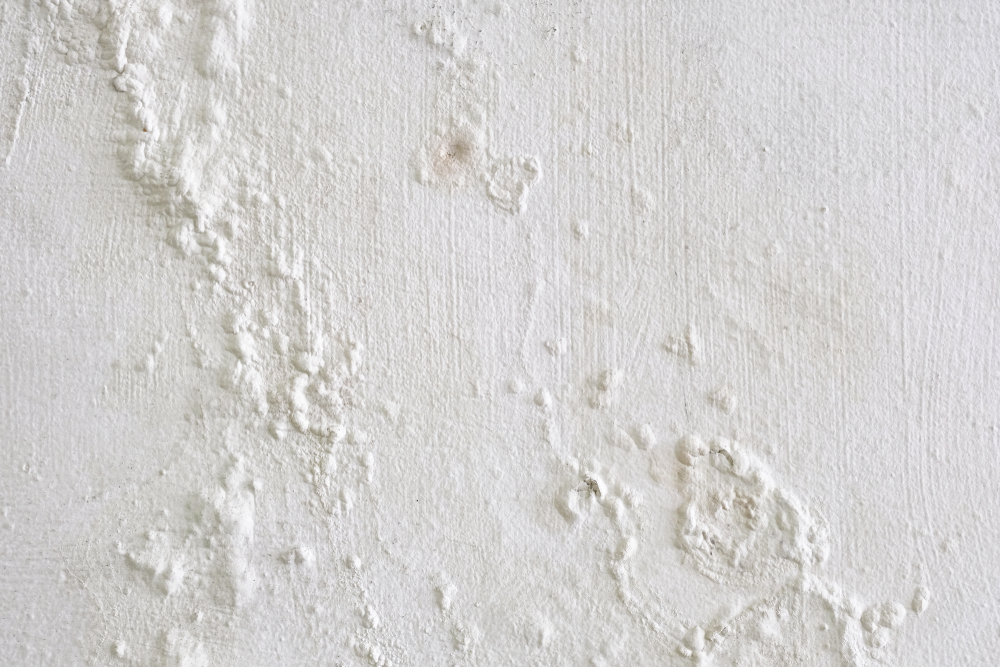
Older homes and commercial buildings in Concord carry a certain charm. From historic mill houses to mid century ranch style properties, these structures tell the story of the city growth and character. However, behind the walls, under flooring, and above ceilings, there may be hidden environmental hazards that were once common in construction. Two of the most concerning are asbestos and mold.
Property owners often focus on one issue while overlooking the other. The truth is that both can exist in the same building, especially in structures built before the 1980s. Understanding the differences between asbestos and mold, how they develop, and why asbestos and mold testing in Concord, NC is essential can help protect your health, your investment, and your peace of mind.
Asbestos in Older Concord Buildings
Asbestos is a naturally occurring mineral that was widely used in building materials throughout much of the twentieth century. It was valued for its durability, heat resistance, and insulating properties. In older Concord properties, asbestos can still be found in floor tiles, pipe insulation, popcorn ceilings, roofing materials, cement siding, and textured wall coatings.
When asbestos containing materials are intact and undisturbed, they may not pose an immediate risk. The danger arises when these materials are damaged, drilled, sanded, or demolished. Disturbance releases microscopic fibers into the air. Once inhaled, these fibers can lodge in the lungs and remain there for decades. Long term exposure has been linked to serious illnesses, including asbestosis, lung cancer, and mesothelioma.
Many property owners assume that if their building looks clean and well maintained, it is safe. Unfortunately, asbestos cannot be identified by sight alone. Only laboratory analysis of samples collected by trained professionals can confirm its presence. This is why professional asbestos and mold testing in Concord, NC is so important before renovations, remodeling, or property transactions.
The Hidden Threat of Mold Growth
Unlike asbestos, mold is a living organism. It thrives in damp, humid environments and can begin growing within 24 to 48 hours after water intrusion. In Concord, where humidity levels can be high for much of the year, mold growth is a common concern in basements, crawl spaces, attics, and behind walls affected by leaks.
Mold spreads by releasing spores into the air. These spores can trigger allergic reactions, respiratory issues, headaches, skin irritation, and in some cases more severe health complications. Individuals with asthma, weakened immune systems, or chronic lung conditions are particularly vulnerable.
One of the most challenging aspects of mold is that it is often hidden. It can grow behind drywall, under carpets, inside HVAC systems, and beneath flooring. By the time visible staining appears or a musty odor is noticed, the contamination may already be extensive. Professional mold removal in Concord, NC begins with accurate testing to identify the type of mold, the extent of contamination, and the source of moisture that allowed it to grow.
While mold can develop in any building regardless of age, older properties are especially susceptible due to aging plumbing, outdated ventilation systems, and foundation issues that allow moisture intrusion.
Key Differences Between Asbestos and Mold
Although asbestos and mold are often discussed together, they differ significantly in origin, behavior, and remediation approach. Asbestos is a mineral fiber embedded in building materials. Mold is a biological growth that spreads when moisture is present. Asbestos remains dormant unless disturbed, while mold actively grows and expands as long as conditions are favorable.
Health risks also vary. Asbestos related diseases typically develop after prolonged exposure and may take decades to appear. Mold related symptoms can occur quickly, particularly in sensitive individuals. However, both can compromise indoor air quality and both require professional handling.
Testing methods differ as well. Asbestos testing involves collecting physical samples of suspect materials and sending them to a certified laboratory. Mold testing may include air sampling, surface sampling, and moisture assessments. A comprehensive inspection often evaluates both hazards simultaneously, especially in buildings that have experienced water damage and are undergoing renovation.
When professionals perform asbestos and mold testing in Concord, NC, they follow strict protocols to prevent cross contamination and to ensure accurate results. This combined approach provides property owners with a complete understanding of potential environmental risks.
Why Testing for Both Is Critical Before Renovation or Sale
Renovating an older Concord property can increase its value and functionality, but disturbing walls, ceilings, or flooring without proper testing can release hazardous materials into the air. Many remodeling projects uncover hidden asbestos in insulation, tiles, or joint compound. At the same time, opening walls may reveal mold colonies that formed due to long term leaks.
Testing for both hazards before starting work helps prevent costly surprises, project delays, and health risks. It also ensures compliance with local, state, and federal regulations regarding asbestos handling and disposal. Failure to properly identify and manage asbestos can result in fines and legal liability.
For property sellers, documented asbestos and mold testing in Concord, NC can provide reassurance to potential buyers. Transparency about environmental conditions builds trust and may streamline the closing process. Buyers are increasingly aware of indoor air quality issues and often request environmental inspections as part of due diligence.
Landlords and commercial property owners have additional responsibilities. Providing a safe indoor environment for tenants and employees is not only ethical but often legally required. Addressing both asbestos and mold proactively reduces the likelihood of complaints, health claims, and long term structural damage.
The Importance of Professional Asbestos and Mold Remediation
If testing confirms the presence of asbestos or mold, the next step is safe and thorough remediation. Asbestos and mold remediation require specialized training, equipment, and containment procedures. Attempting to handle either hazard without professional expertise can worsen contamination and increase exposure.
During asbestos remediation, contractors seal off the affected area, use negative air pressure systems, and wear protective gear to prevent fiber release. Materials containing asbestos are carefully removed, sealed in approved containers, and disposed of according to regulatory guidelines.
Mold removal in Concord, NC involves isolating contaminated areas, removing affected materials when necessary, cleaning surfaces with appropriate antimicrobial solutions, and addressing the underlying moisture source. Without correcting leaks, humidity issues, or drainage problems, mold is likely to return.
In some cases, both hazards may need to be addressed during the same project. For example, water damage in an older building may lead to mold growth while also disturbing asbestos containing materials. Coordinating asbestos and mold remediation ensures that both issues are resolved safely and efficiently.
Professional remediation also includes post remediation verification. This step confirms that asbestos fibers or mold spore levels have been reduced to safe levels before occupants return. Independent clearance testing provides peace of mind and documented proof of successful cleanup.
Conclusion
Older Concord properties offer character, history, and investment potential, but they can also conceal environmental hazards that threaten health and property value. Asbestos and mold present different risks, yet they often coexist in aging buildings. Ignoring one while focusing on the other leaves gaps in protection.
Comprehensive asbestos and mold testing in Concord, NC provides clarity before renovations, real estate transactions, or occupancy changes. Early identification allows for proper planning, regulatory compliance, and safe project execution. When hazards are found, professional asbestos and mold remediation and expert mold removal in Concord, NC restore indoor environments to safer conditions.
Testing for both asbestos and mold is not just a precaution. It is a proactive step toward safeguarding occupants, preserving property integrity, and ensuring that the charm of older Concord buildings does not come at the cost of health and safety.
Need Remediation Services in Concord, NC?
Here at Concord Asbestos Abatement and Mitigation LLP, we take pride in providing top-notch remediation services tailored to meet your needs. As a family-owned and -operated business, we understand the importance of keeping your home or business safe and worry-free. Our knowledgeable team is committed to delivering exceptional service, maintaining cost-effective solutions, and ensuring every job site is left in pristine condition. Contact us today to schedule your consultation and experience the Concord difference!