

Signs of Asbestos in Commercial Buildings in Concord, NC
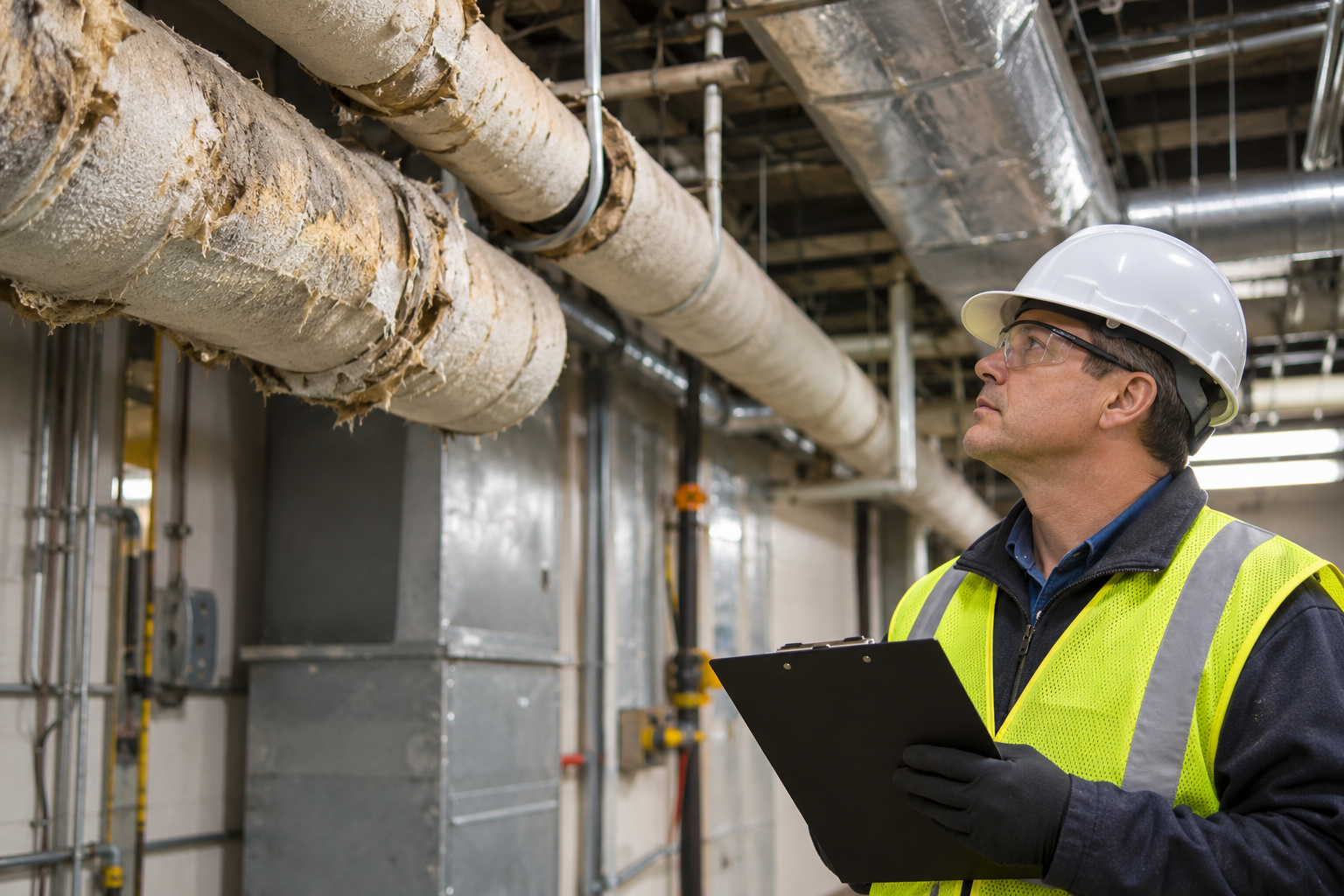
Owning or managing a commercial building comes with plenty of responsibilities, from keeping tenants comfortable to coordinating maintenance and planning property improvements. However, if your building was constructed several decades ago, there’s another concern worth considering before starting renovations or repairs: the possibility of asbestos-containing materials. For commercial property owners in Concord, NC, understanding where asbestos may be found and when professional testing is necessary can help protect building occupants, employees, and contractors.
Asbestos was once commonly incorporated into building materials because of its heat resistance, durability, and insulating properties. Although its health risks are now well established, some older commercial buildings still contain materials manufactured with asbestos. The challenge is that these materials don’t always look unusual, and you cannot reliably identify asbestos just by looking at it.
Some common warning signs and situations that call for professional evaluation include:
- Older building materials: Insulation, flooring, ceiling systems, and other components installed decades ago may contain asbestos.
- Deteriorating insulation: Crumbling or damaged material around pipes, boilers, and mechanical equipment deserves attention.
- Aging floor coverings: Older vinyl tiles, sheet flooring, and adhesives may contain asbestos.
- Damaged ceiling materials: Certain older acoustic finishes, ceiling tiles, and sprayed coatings may require testing.
- Upcoming renovations: Demolition, drilling, cutting, and remodeling can disturb materials that were previously intact.
At Concord Asbestos Abatement and Mitigation LLP, we’ve spent more than 35 years helping property owners address asbestos concerns throughout Concord, Kannapolis, Harrisburg, and the greater Charlotte area. As a family-owned and locally operated company certified in North Carolina and South Carolina, we provide professional inspection, testing, asbestos removal, and remediation services for commercial properties of different sizes.
Where Is Asbestos Most Commonly Found in Older Commercial Buildings?
Asbestos may be present in older commercial buildings wherever certain insulation, flooring, ceiling, roofing, or fire-resistant materials were installed. For commercial property owners in Concord and Cabarrus County, the building’s age and renovation history can help identify areas that deserve professional evaluation.
Pipe and Boiler Insulation
One of the most recognizable historical uses of asbestos involved insulating pipes, boilers, and other mechanical equipment.
Older commercial buildings may contain insulation wrapped around hot water pipes, steam lines, or heating equipment.
In some cases, that material has deteriorated because of age, moisture exposure, or previous maintenance work.
If you notice damaged insulation around mechanical equipment, avoid touching, removing, or disturbing it.
A qualified asbestos inspector can determine whether the material needs professional sampling and laboratory analysis.
Vinyl Flooring and Old Adhesives
Commercial buildings frequently undergo flooring changes as tenants move in and out.
However, some older flooring materials may remain beneath newer finishes.
Certain vinyl floor tiles, sheet flooring products, and the adhesives used to install them historically contained asbestos.
A property manager preparing to replace flooring in an older Concord office or retail space should consider whether the existing materials have been evaluated.
Even if the visible flooring appears relatively new, older layers may remain underneath.
Removing flooring without understanding its composition can create unnecessary building safety risks.
Ceiling Tiles and Acoustic Materials
Older offices, schools, warehouses, and commercial buildings sometimes contain ceiling materials manufactured with asbestos.
Potential locations include certain suspended ceiling tiles, textured ceiling finishes, and sprayed acoustic materials.
However, the appearance of a ceiling tile or textured surface cannot confirm its composition.
If you’re planning to replace ceiling materials, install new lighting, or modify overhead systems, professional inspection can help determine whether asbestos-containing materials may be disturbed.
Spray-Applied Fireproofing
Some commercial and industrial buildings used asbestos-containing fireproofing materials on structural beams, columns, and other surfaces.
These coatings were intended to provide fire resistance, but certain older products can become damaged or deteriorate.
Sprayed materials can be particularly concerning when they are easily crumbled or disturbed.
For older manufacturing facilities and commercial buildings in the Concord area, this is an important consideration before structural modifications or extensive renovations.
Roofing, Siding, and Other Building Materials
Asbestos was also used in certain roofing products, cement siding, wall materials, and construction compounds.
These materials may remain in older properties even when interior spaces have been extensively updated.
For example, replacing roofing or making changes to exterior walls may involve materials that haven’t been evaluated in years.
A professional asbestos survey should consider the specific areas affected by the proposed work, including roofing when applicable.
What Are the Warning Signs That Asbestos May Be a Concern?
The most important warning signs of potential asbestos concerns are older, unverified building materials that are damaged, deteriorating, or likely to be disturbed during renovation. However, visible damage is not proof of asbestos, and materials without obvious deterioration may still contain it.
Crumbling or Fraying Materials
Damaged insulation, loose surfacing materials, and deteriorating coatings can raise concerns because some asbestos-containing products may release fibers when disturbed.
This is particularly relevant to materials around older mechanical equipment.
If you notice crumbling or fraying materials in a commercial building, avoid touching them or attempting to determine their composition yourself.
Instead, restrict activities that might disturb the affected area and arrange a professional assessment.
Water Damage and Building Deterioration
Roof leaks, plumbing problems, and other moisture-related conditions can damage ceiling tiles, wall finishes, and insulation.
Although water damage doesn’t mean asbestos is present, it can compromise older materials that may contain it.
For property managers overseeing offices, warehouses, or retail buildings in Kannapolis and Concord, unexplained deterioration should be documented and reviewed before maintenance crews begin removing materials.
Materials Disturbed During Previous Renovations
Older commercial properties often have a complicated renovation history.
A building may have undergone several flooring replacements, ceiling modifications, or mechanical upgrades without complete documentation of the original materials.
When past work leaves behind exposed insulation, damaged floor adhesive, or partially removed finishes, additional evaluation may be appropriate.
An Upcoming Remodeling or Demolition Project
One of the clearest reasons to schedule an asbestos inspection is an upcoming project that could disturb existing building materials.
This may include:
- Renovating commercial office suites.
- Removing old flooring or ceilings.
- Replacing HVAC equipment and associated insulation.
- Modifying walls or interior partitions.
- Performing major plumbing or electrical renovations.
- Demolishing part or all of an existing structure.
For commercial properties in Concord, professional asbestos evaluation should be addressed during planning rather than after demolition begins.
Why Is Asbestos a Concern for Commercial Property Owners?
Asbestos becomes a significant concern when asbestos-containing materials are damaged or disturbed in ways that release microscopic fibers into the air. In commercial buildings, managing these hazards is an important part of protecting workers, tenants, contractors, and other building occupants.
Understanding the Health Risks
Asbestos exposure is associated with serious respiratory diseases, including lung cancer, mesothelioma, and asbestosis.
However, the presence of asbestos-containing material doesn’t automatically mean everyone inside a building is being exposed.
The condition of the material, whether it is disturbed, and the nature of any resulting exposure are important considerations.
Intact asbestos-containing materials that remain undisturbed may sometimes be managed safely in place under an appropriate professional management plan.
The greatest concerns often arise during activities that damage or disturb the material.
Protecting Employees and Tenants
Commercial property owners and facility managers have important responsibilities when planning work that could affect occupied spaces.
For example, a renovation in an operating office building may involve employees working nearby, while a retail property might have customers entering and leaving throughout the day.
Identifying suspected hazardous materials before construction begins allows the project team to establish appropriate precautions.
At Concord Asbestos Abatement and Mitigation LLP, we focus on coordinating asbestos-related work carefully and helping customers minimize unnecessary disruption to daily business operations.
Avoiding Unexpected Construction Delays
Discovering potentially asbestos-containing material after demolition has started can complicate a construction schedule.
Work may need to stop while the material is assessed and appropriate procedures are established.
For general contractors and property owners managing projects around Concord Mills, downtown Concord, or the broader Charlotte metropolitan area, early evaluation can help prevent avoidable surprises.
Addressing asbestos concerns during preconstruction planning also makes it easier to coordinate appropriate testing, abatement, and follow-up work.
What Are North Carolina’s Asbestos Inspection Requirements for Commercial Buildings?
North Carolina generally requires an asbestos inspection by an accredited professional before demolition or renovation activities involving commercial facilities. Additional notification, permitting, and removal requirements depend on the project and the type and quantity of asbestos-containing material involved.
Inspections Before Renovation or Demolition
The North Carolina Department of Health and Human Services explains that an accredited asbestos professional must inspect affected facilities before demolition or renovation begins.
The inspection helps determine the presence, location, type, and quantity of asbestos-containing materials.
These findings guide decisions about whether specific removal procedures, permits, or notifications are required.
For commercial buildings in Concord, this process should be part of early renovation planning.
State Notification and Permit Requirements
North Carolina requires notification for covered building demolitions, even when no asbestos is identified.
Certain asbestos removal projects also require state permits when the amount of regulated asbestos-containing material reaches applicable thresholds.
The state’s published requirements identify thresholds involving 160 square feet, 260 linear feet, or 35 cubic feet of regulated material, with additional rules for certain projects.
Required notifications and permit applications generally must be submitted at least 10 working days before the covered work begins, subject to applicable exceptions.
Because these requirements depend on project circumstances, property owners should confirm the current rules with qualified professionals and the appropriate regulatory authority.
Why Certified Professionals Matter
Asbestos inspection, sampling, and abatement are specialized activities requiring appropriate training and accreditation.
At Concord Asbestos Abatement and Mitigation LLP, our team is certified in North Carolina and South Carolina.
We work with commercial property owners and project teams to identify suspected asbestos-containing materials, arrange professional testing, and complete removal or remediation when appropriate.
Our goal is to help property owners address hazards while following applicable requirements.
What Happens During Professional Commercial Asbestos Testing and Removal?
Professional commercial asbestos services typically begin with an inspection, followed by laboratory testing when necessary, a project-specific management or removal plan, and appropriate follow-up procedures. The exact process depends on the building, material condition, renovation plans, and applicable regulations.
Step 1: Professional Building Inspection
An accredited inspector evaluates the relevant building areas and identifies materials that may contain asbestos.
The inspection may involve reviewing available building records, renovation history, and proposed construction plans.
For larger properties, the assessment can involve multiple areas or buildings.
Our experience includes projects ranging from individual commercial spaces to more extensive properties.
Step 2: Laboratory Testing
When sampling is appropriate, qualified professionals collect representative material samples using procedures intended to limit potential exposure.
Those samples are sent to a qualified laboratory for analysis.
At Concord Asbestos Abatement and Mitigation LLP, we work with state-approved laboratory testing resources to help establish whether suspected materials contain asbestos.
Laboratory analysis is important because visual appearance alone cannot reliably identify asbestos.
Step 3: Developing an Appropriate Response
A positive test result doesn’t automatically mean every asbestos-containing material must be removed immediately.
Depending on its condition, location, and the building’s planned use, professional management in place may be appropriate.
However, materials that will be disturbed during covered renovation or demolition activities may require removal before work proceeds.
Our team helps property owners understand the recommended response and the scope of any necessary abatement.
Step 4: Controlled Asbestos Removal and Remediation
When asbestos removal is required, properly accredited professionals use project-appropriate containment, work practices, protective equipment, and waste-handling procedures.
These measures are intended to control the release of asbestos fibers and protect surrounding areas.
Work methods differ depending on the material, project size, and regulatory requirements.
Our team provides asbestos abatement, removal, and remediation services for commercial properties throughout the Concord area.
Step 5: Follow-Up Inspection and Clearance
After abatement, applicable procedures may include visual assessment, cleaning verification, or clearance testing when required by the project and governing standards.
Clearance requirements vary according to the type of work and applicable regulations.
The purpose is to document that required cleanup and project completion criteria have been satisfied.
For building owners, maintaining inspection reports, laboratory results, abatement records, and any required clearance documentation can support future property management and renovation planning.
How Can Concord Businesses Manage Asbestos Concerns Without Unnecessary Disruption?
Commercial property owners can manage asbestos concerns more effectively by identifying possible hazards early, coordinating inspections before construction, and working with qualified specialists. For facilities throughout Cabarrus County and the Charlotte metro, proactive planning helps protect occupants while reducing the likelihood of unexpected project interruptions.
Include Asbestos Evaluation in Renovation Planning
If you’re preparing to renovate an older office, retail building, or industrial property, discuss asbestos requirements before establishing a final construction schedule.
An early inspection can help identify materials that may affect the project.
This allows contractors and property owners to plan appropriate work sequences rather than reacting after demolition has begun.
Maintain Clear Communication With Tenants and Contractors
When asbestos-related work affects an occupied property, communication is important.
Property managers should coordinate access, work areas, scheduling, and any necessary occupant restrictions with the qualified professionals overseeing the project.
Contractors should also receive relevant hazard information before beginning activities that could disturb suspect materials.
This coordination can help reduce confusion and prevent unauthorized work in affected areas.
Plan for the Full Project Cost
Commercial asbestos removal expenses depend on the amount and type of material, accessibility, containment requirements, testing, disposal, and overall project complexity.
A small office suite may require a different approach than an industrial facility with extensive pipe insulation or sprayed fireproofing.
At Concord Asbestos Abatement and Mitigation LLP, we provide transparent, upfront pricing so customers can understand the proposed work before moving forward.
We recognize that asbestos-related expenses can affect renovation budgets, and we focus on practical planning and clear communication throughout the process.
Work With a Local Asbestos Abatement Company
Our family-owned and locally operated company brings more than 35 years of experience to asbestos-related projects.
We serve Concord, Kannapolis, Harrisburg, Charlotte, and surrounding communities, providing inspection, testing, removal, and remediation services.
Whether you manage a small commercial property or oversee a larger industrial site, our team can help you address asbestos concerns and plan an appropriate response.
Frequently Asked Questions About Asbestos in Commercial Buildings
What are the most common signs of asbestos in commercial buildings?
Older pipe insulation, deteriorating ceiling materials, vintage floor tiles, and certain fireproofing products may indicate that asbestos testing is needed. However, none of these materials can be confirmed as asbestos-containing through appearance alone, so professional inspection and laboratory analysis are essential.
Can you identify asbestos by looking at building materials?
No, asbestos fibers are microscopic, and many asbestos-containing products look similar to materials manufactured without asbestos. Qualified professionals use appropriate sampling methods and laboratory analysis to determine whether a suspect material actually contains asbestos.
Are commercial buildings built before 1985 more likely to contain asbestos?
Older buildings may contain asbestos because it was historically used in numerous construction products. However, the presence of asbestos depends on the specific materials and renovation history, so the building’s age alone cannot confirm whether asbestos is present.
Does asbestos always have to be removed from a commercial building?
Not necessarily, because some intact asbestos-containing materials can be managed in place when they won’t be disturbed and an appropriate management approach is followed. Removal may be necessary when regulated materials will be disturbed during renovation or demolition or when their condition requires corrective action.
Do commercial renovations in Concord, NC, require asbestos inspections?
North Carolina generally requires asbestos inspections by accredited professionals before covered commercial renovation or demolition activities. Specific notification, permitting, and abatement requirements depend on the project, so property owners should review applicable state and local rules before starting work.
How long does commercial asbestos removal take?
The timeline depends on the building’s size, the location and amount of asbestos-containing material, testing requirements, and the complexity of the removal process. Small projects may require less time than extensive industrial abatement, but an accurate schedule requires a professional assessment.
Can asbestos affect a commercial property renovation or sale?
Yes, asbestos concerns may affect renovation planning, due diligence, project costs, and decisions about managing existing building materials. Requirements and contractual responsibilities vary, making professional inspection important when evaluating older properties.
Does Concord Asbestos Abatement and Mitigation LLP handle large commercial projects?
Yes, we provide asbestos inspection, testing, removal, and remediation services for commercial projects of different sizes. Our experience includes smaller commercial spaces and larger properties, with services designed around the building’s conditions and the project’s requirements.
Protect Your Commercial Property With Professional Asbestos Services in Concord
Managing an older commercial building involves making informed decisions about materials that may have been installed decades before today’s safety standards were established. Asbestos-containing insulation, flooring, ceiling finishes, and other products can remain hidden within otherwise well-maintained properties, which is why professional evaluation matters when damage occurs or renovations are planned. Recognizing potential concerns early and arranging appropriate testing can help property owners protect occupants, coordinate construction work, and address compliance responsibilities without unnecessary surprises.
At Concord Asbestos Abatement and Mitigation LLP, we’re proud to bring more than 35 years of experience to commercial asbestos projects throughout Concord, Kannapolis, Harrisburg, Charlotte, and surrounding Cabarrus County communities. As a family-owned, locally operated company certified in North Carolina and South Carolina, we provide professional inspections, laboratory testing, asbestos abatement, removal, and remediation. We understand the importance of controlling costs, communicating clearly, and minimizing disruption to your operations while addressing hazardous building materials.
Address Suspected Asbestos Before It Disrupts Your Business
Whether you’re preparing for a renovation, evaluating an older commercial property, or concerned about damaged building materials, our team can help you understand the next steps. We provide professional guidance and upfront pricing to help you plan an appropriate solution. Contact Concord Asbestos Abatement and Mitigation LLP online or at (704) 784-4119 today to discuss commercial asbestos inspection, testing, and abatement services in Concord, NC, and surrounding areas.