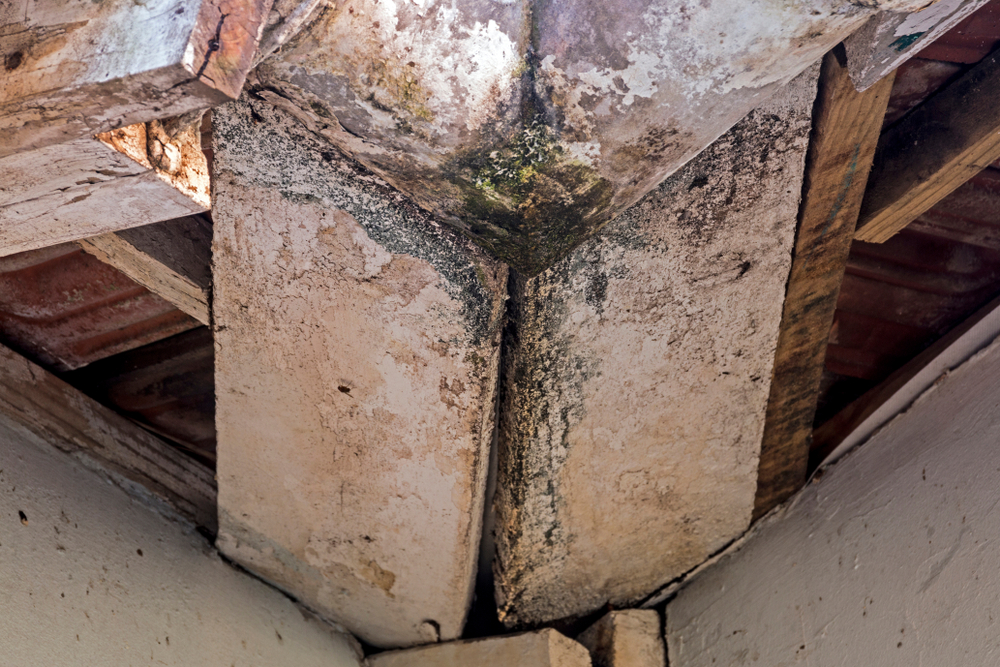
The aftermath of a fire or flood often brings with it not just visible damage, but also hidden dangers that complicate the restoration process. One of the most pressing concerns in such scenarios is the presence of asbestos. Once widely used in building materials for its fire-resistant properties, asbestos is now recognized as a major health hazard. For professionals and property owners undertaking fire and water restoration with asbestos concerns, understanding how asbestos abatement fits into the broader restoration strategy is essential. This blog explores the intersection of asbestos abatement with fire and water damage projects, focusing on key safety protocols, regulatory requirements, and the importance of using a licensed asbestos abatement contractor, particularly in states like North Carolina (NC) where regulations are strictly enforced.
The Overlapping Risks: Fire Damage and Asbestos Exposure
Asbestos-containing materials (ACMs) are often found in older homes and commercial buildings. During a fire, these materials can become friable—meaning they easily crumble and release asbestos fibers into the air. The combination of fire damage and asbestos exposure creates a toxic environment for occupants and first responders. Inhalation of these microscopic fibers is known to cause severe health issues such as mesothelioma, lung cancer, and asbestosis.
When flames consume a structure, ceilings, insulation, siding, or flooring materials that contain asbestos may break down, releasing particles into the atmosphere. These airborne fibers can settle onto surfaces and linger long after the fire is extinguished. This contamination often goes unnoticed during initial cleanup efforts unless proper asbestos testing after fire or flood events is conducted. Restoration professionals who move in to perform repairs risk disturbing asbestos-laden debris, compounding exposure risks and potentially violating safety regulations if not properly trained or certified.
Water damage presents its own challenges. Flooding or excessive moisture can compromise the integrity of asbestos materials, making them more prone to crumbling. Whether from firefighting efforts or natural disasters, water can accelerate the degradation of ACMs, allowing asbestos fibers to mix with dust, mud, and debris. In both cases, any disturbance can become a vector for spreading contamination unless proper containment and abatement measures are in place.
Testing and Identification: The First Line of Defense
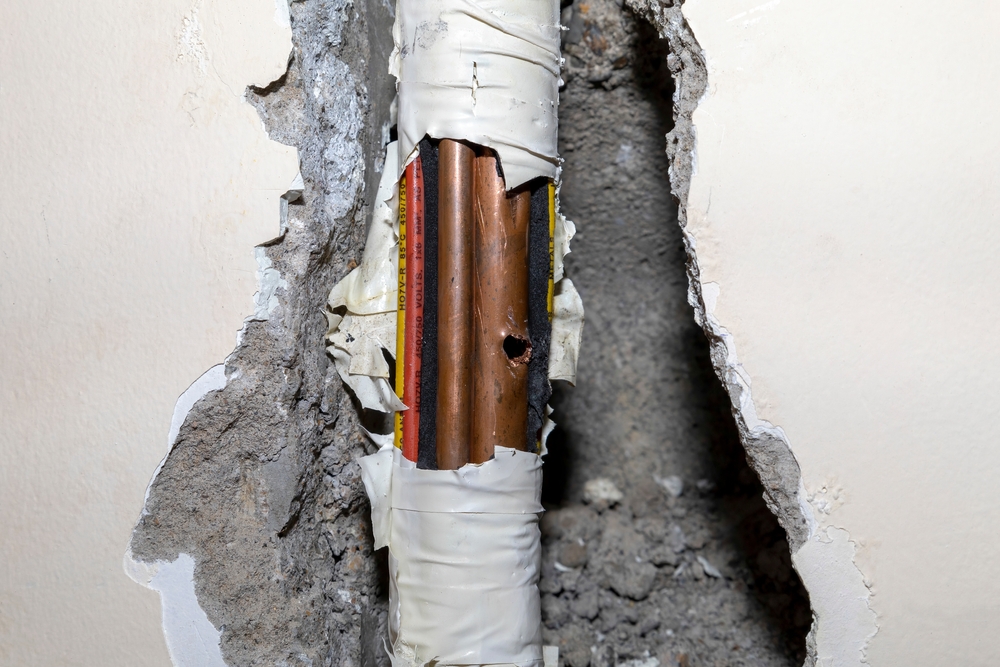
Before any restoration work begins, especially in structures built before the 1980s, comprehensive asbestos testing after fire or flood damage is not just recommended—it is imperative. Testing identifies the presence, type, and condition of ACMs in the affected area. Depending on the building’s age and materials, this may include insulation, drywall compound, pipe wrapping, floor tiles, and even ceiling textures.
Asbestos inspection must be conducted by certified professionals. The inspection includes collecting samples from various parts of the structure and sending them to an accredited laboratory for analysis. These findings determine whether full-scale asbestos abatement is required before general restoration can proceed.
Importantly, in states like NC, local regulations often mandate asbestos testing before issuing permits for demolition or renovation after fire and water incidents. Skipping this step could lead to regulatory penalties or halts in restoration work. Thus, testing is the critical first checkpoint in aligning health safety with building code compliance.
The Role of Licensed Asbestos Abatement Contractors
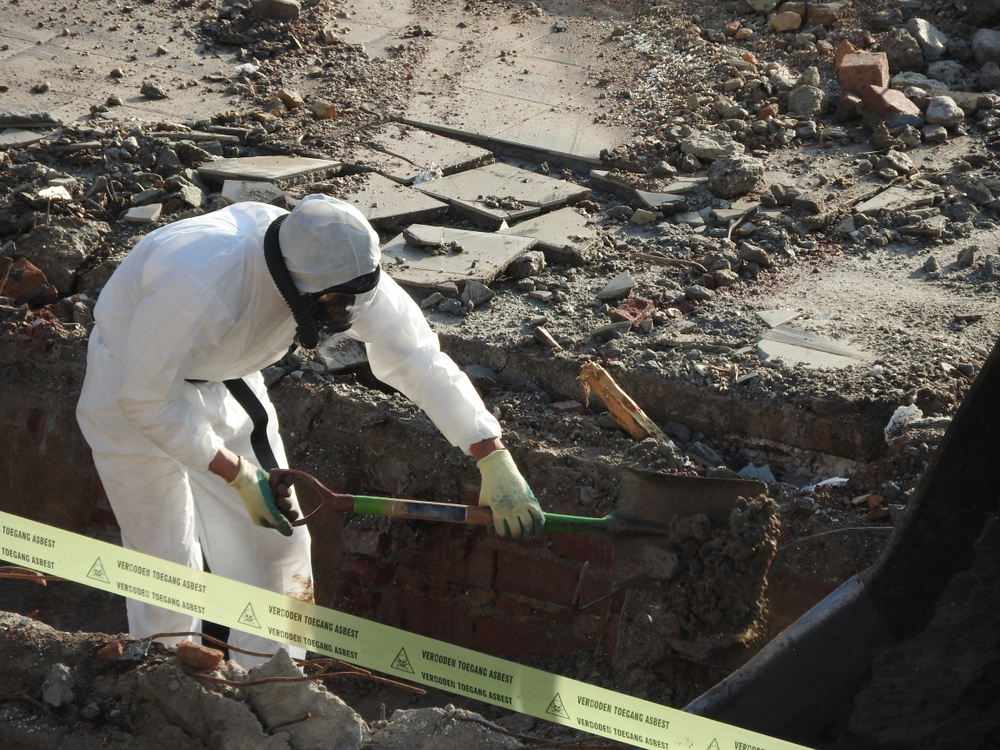
If asbestos is identified, remediation must be conducted by a licensed asbestos abatement contractor. These professionals are trained to follow strict protocols that include proper containment, personal protective equipment (PPE), air filtration, and waste disposal techniques that comply with federal and state regulations.
A licensed contractor in NC, for instance, must adhere to the North Carolina Department of Health and Human Services (NC DHHS) regulations, which align closely with Environmental Protection Agency (EPA) and Occupational Safety and Health Administration (OSHA) standards. They are responsible for:
Creating a site-specific abatement plan
Sealing off affected areas to prevent fiber migration
Using HEPA-filtered negative air machines
Employing wet methods to suppress dust
Ensuring thorough decontamination and clearance testing
Their work not only eliminates the health hazard but also paves the way for safe and legal restoration efforts. Using uncertified or improperly trained workers is not just dangerous—it’s illegal in many jurisdictions and could invalidate insurance claims or result in fines.
Moreover, these professionals often collaborate with fire and water restoration specialists to ensure that both environmental safety and structural rehabilitation are achieved in tandem. This integrated approach minimizes project delays and protects all stakeholders involved—from homeowners and tenants to workers and insurers.
Integrating Asbestos Abatement into Restoration Workflows
Combining fire and water restoration with asbestos concerns requires a well-orchestrated timeline where different specialists play key roles. Once the fire is extinguished or the flooding subsides, the restoration process begins with an inspection and damage assessment. At this point, asbestos testing after fire or flood damage is prioritized to avoid disturbing ACMs during cleanup.
If ACMs are found, the restoration timeline is adjusted to incorporate abatement. Restoration teams cannot begin demolition or deep cleaning until abatement is completed and the site passes clearance testing. This requires strong communication between project managers, environmental consultants, and contractors to ensure that the sequence of events is safe and compliant.
For instance, fire-damaged drywall may need to be removed, but if it contains asbestos, abatement professionals must first isolate and remove it using specialized equipment. Only after this can restoration crews begin structural repairs, smoke odor removal, and water damage drying processes.
Proper documentation throughout the process is also critical. Licensed asbestos abatement contractors provide clearance certificates and waste manifests that may be required by insurance providers, regulatory authorities, or future buyers. These records also protect restoration companies from liability and support transparency with property owners.
In NC and many other states, restoration companies often build partnerships with certified abatement contractors to streamline response efforts. These collaborations ensure that emergency response teams can act quickly while remaining compliant with state and federal safety regulations. As time is often a critical factor in minimizing long-term damage after a disaster, having these partnerships in place accelerates the recovery process without sacrificing safety.
Final Thoughts: Why Asbestos Awareness is Critical in Modern Restoration
Despite modern bans and restrictions, asbestos remains a legacy threat in thousands of buildings across the United States. Any comprehensive disaster response plan—especially those involving fire and water restoration with asbestos concerns—must account for this hidden hazard.
Homeowners and property managers should never underestimate the risks of fire damage and asbestos exposure. The release of asbestos fibers during or after a fire or flood can turn an already traumatic event into a long-term health and legal issue if not properly addressed. Asbestos testing after fire or flood events should be as routine as structural and mold assessments. Similarly, restoration companies must emphasize training and compliance, ensuring their teams understand when to halt work and call in a licensed asbestos abatement contractor.
In states like NC, where the law closely monitors environmental safety in post-disaster settings, the stakes are even higher. Failing to comply with asbestos protocols can result in halted projects, increased costs, legal consequences, and most importantly, serious health risks for everyone involved.
Conclusion
Ultimately, integrating asbestos abatement into fire and water restoration projects isn’t just a best practice—it’s a legal and moral obligation. From initial testing and inspection to final clearance and reconstruction, understanding how asbestos fits into the recovery timeline ensures safer homes, healthier communities, and more resilient outcomes after disaster strikes.
Need a Mold Specialist in Concord, NC?
Here at Concord Asbestos Abatement and Mitigation LLP, we take pride in providing top-notch remediation services tailored to meet your needs. As a family-owned and -operated business, we understand the importance of keeping your home or business safe and worry-free. Our knowledgeable team is committed to delivering exceptional service, maintaining cost-effective solutions, and ensuring every job site is left in pristine condition. Contact us today to schedule your consultation and experience the Concord difference!
Water damage is one of the most costly and disruptive issues a property owner can face. Whether you’re a homeowner or a business operator, understanding the early signs of water damage can be the difference between a quick repair and extensive, expensive remediation. Hidden water damage, in particular, poses a unique challenge because it can quietly degrade the structure and safety of a building before becoming visibly apparent. This blog explores the top warning signs of hidden water damage, what causes it, and why it’s especially critical to identify early in commercial settings.
The Silent Threat: Understanding Hidden Water Damage
Hidden water damage doesn’t announce itself with a burst pipe or a flooded floor. Instead, it creeps in through small leaks, undetected condensation, and subtle structural vulnerabilities. These issues often occur behind walls, under flooring, or above ceilings—out of sight and, frequently, out of mind.
What causes hidden water damage varies. Common culprits include leaking plumbing, roof damage, poor drainage systems, cracked foundations, and malfunctioning HVAC units. In commercial properties, the scale and complexity of plumbing and mechanical systems make hidden water damage even more likely and difficult to detect. Long hours of operation and higher occupancy levels further increase wear and tear on infrastructure, compounding the risk.
Moisture can remain trapped in hidden areas for months, fostering mold growth, weakening building materials, and diminishing air quality. The result is not only a health risk but also a financial one, as repairs for extensive damage often involve invasive work like tearing down drywall or replacing structural beams. Recognizing the signs of water damage early is vital for prevention and swift action.
Subtle Clues: Discoloration and Staining
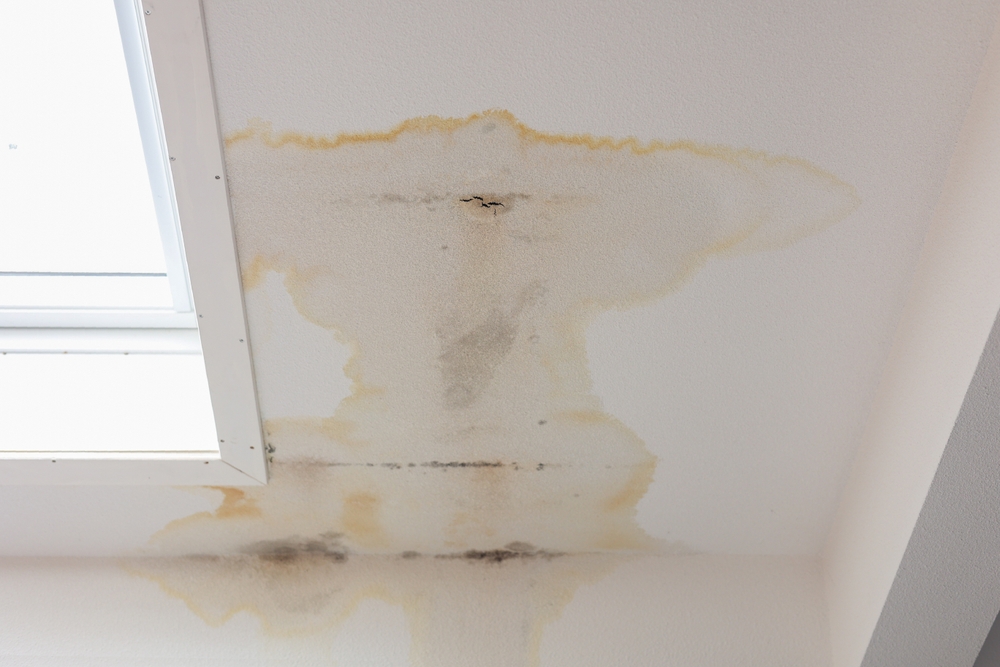
One of the earliest and most obvious signs of water damage is discoloration on surfaces. Water stains can appear as yellow, brown, or copper-colored patches on walls, ceilings, or even flooring. These marks are typically caused by minerals and contaminants in the water that seep through the building materials.
However, it’s not just visible stains that matter. Pay attention to any changes in color, even if they appear faint. In many cases, discoloration can indicate a slow leak or lingering moisture that’s already begun to compromise the integrity of the material. In bathrooms or kitchens, bubbling or peeling paint might be the only initial clue.
In commercial water damage scenarios, this form of discoloration can be particularly insidious. Large ceiling tiles, industrial drywall panels, or textured surfaces may mask the visual cues of damage until the underlying issue has worsened. Regular inspections and a keen eye for these subtle changes can help detect problems before they escalate.
The Smell Test: Unpleasant Odors and Mold
Odor can be a powerful indicator of hidden water damage, often revealing issues long before visual signs emerge. Damp, musty smells are common when water accumulates in dark, poorly ventilated spaces. These smells are typically a result of mold and mildew growth, both of which thrive in moist environments.
In residential settings, these odors might appear in basements, attics, or crawl spaces. Commercial properties, with their extensive HVAC systems and complex layout, may experience this in air ducts, maintenance rooms, or behind industrial-grade appliances. Unexplained persistent odors, especially those that become stronger over time, should not be ignored.
Mold not only signifies the presence of water but also presents a health risk, especially in commercial environments with high foot traffic. It can exacerbate respiratory conditions, trigger allergies, and lead to significant indoor air quality issues. Addressing the source of moisture is the only effective way to eliminate these odors and prevent the problem from recurring.
Structural Changes: Warping, Buckling, and Sagging
Physical deformations in your home or business are among the more serious early signs of water damage in walls, ceilings, and flooring. When wood, drywall, or other porous materials absorb water, they can swell, warp, or buckle. Flooring may become uneven, and ceilings might start to sag or ripple.
In homes, warped baseboards or soft spots in hardwood floors often point to slow leaks from adjacent bathrooms or kitchens. Doors and windows may become harder to open or close due to frame expansion caused by moisture. Cracks in drywall or ceilings—especially those that widen over time—can also suggest hidden water accumulation.
Commercial properties may experience structural symptoms on a larger and potentially more dangerous scale. Load-bearing walls and large ceiling panels, if compromised, could pose safety hazards. Employees or customers noticing “spongy” floors or shifting tiles can be early red flags. Ignoring these cues risks not only further property damage but also legal liability if injury results from structural failure.
Rising Costs: Unexplained Spikes in Utility Bills
A less obvious but equally telling indicator of hidden water damage is a sudden increase in your water bill. If your usage habits haven’t changed but your utility costs have climbed, it could be due to an undetected leak somewhere in your plumbing system. This is especially common in both older homes and commercial buildings where pipes may have deteriorated over time.
Small leaks can waste hundreds of gallons of water over the course of a month, quietly wreaking havoc behind walls or beneath floors. A toilet that constantly runs, a faucet dripping behind cabinetry, or a break in an underground irrigation line are all potential sources. These minor issues might seem harmless initially but often signal a larger problem that needs immediate attention.
In commercial environments, where water usage is higher and more variable, tracking these spikes can be trickier. Yet even a marginal uptick in usage across multiple units or departments could indicate hidden water damage. Using smart water meters or setting up alerts for unusual consumption patterns can aid in early detection and intervention.
Vigilance is Your Best Defense
Hidden water damage has the power to silently erode the comfort, safety, and value of your property. The key to prevention lies in recognizing the signs of water damage early—discoloration, musty odors, structural warping, and unexpected costs—and understanding what causes hidden water damage in the first place. These issues can stem from something as benign as a slow leak or as complex as a malfunctioning HVAC system.
For both homes and commercial properties, proactive inspections, maintenance, and monitoring are crucial. The consequences of ignoring early signs are far-reaching: health risks from mold, skyrocketing repair costs, and compromised building integrity. In commercial contexts, the stakes are even higher, with potential business interruptions and customer safety concerns at play.
Whether you manage a residential property or a bustling commercial facility, staying alert to the early signs of water damage in walls and other hidden spaces is a critical part of responsible ownership. When in doubt, consult a water damage professional to assess and address any suspected issues. Acting early can save thousands of dollars—and a lot of stress—down the line.
Need a Mold Specialist in Concord, NC?
Here at Concord Asbestos Abatement and Mitigation LLP, we take pride in providing top-notch remediation services tailored to meet your needs. As a family-owned and -operated business, we understand the importance of keeping your home or business safe and worry-free. Our knowledgeable team is committed to delivering exceptional service, maintaining cost-effective solutions, and ensuring every job site is left in pristine condition. Contact us today to schedule your consultation and experience the Concord difference!
Water damage is among the most common and destructive problems that homeowners and property managers can face. Whether caused by a burst pipe, natural disaster, or appliance failure, water infiltration can wreak havoc on a structure and its contents. But not all water damage is created equal. In fact, there are three distinct categories of water damage—each carrying its own level of contamination and health risk. Understanding the differences between clean water damage, gray water damage, and black water damage is crucial for effective cleanup, proper restoration, and safeguarding the health of occupants.
Clean Water Damage: The Least Severe—But Still Urgent
Clean water damage, also known as Category 1 water damage, refers to water that originates from a sanitary source and poses no immediate health threat to humans. This type of water is considered “clean” because it hasn’t come into contact with contaminants. Common sources of clean water damage include broken water supply lines, leaking faucets, overflowing sinks or bathtubs (with no contaminants), or appliance malfunctions involving clean water connections, such as dishwashers or washing machines.
While clean water damage may seem harmless at first, it’s important to act swiftly. Even though the water is not initially hazardous, delays in cleanup can lead to secondary issues such as mold growth and structural degradation. Time is of the essence because clean water can quickly become contaminated if left untreated. Within 24 to 48 hours, even clean water can evolve into a more dangerous category due to contact with building materials, dust, and microorganisms.
Professionals often use specialized equipment such as water extractors, air movers, and dehumidifiers to ensure complete drying. If not addressed properly, clean water damage can compromise the integrity of walls, flooring, and furniture, and may result in significant repair costs.
Gray Water Damage: A Step Up in Risk
Gray water damage, or Category 2 water damage, presents a higher level of risk due to the presence of chemical or biological contaminants. This type of water may cause discomfort or illness upon contact or ingestion, though it is not as severely hazardous as black water. Typical sources of gray water include overflow from washing machines, dishwashers, or toilet bowls containing only urine (no feces), as well as sump pump failures and water discharged from HVAC systems.
The most crucial distinction in understanding gray water damage lies in its potential for harm. It may contain detergents, food residues, oils, or mild chemicals—all of which can foster microbial growth if not promptly removed. Additionally, gray water provides a suitable environment for bacteria and fungi to thrive, which further escalates the health risks.
When dealing with gray water damage, it’s critical to use personal protective equipment (PPE) such as gloves, boots, and sometimes even respirators. Affected materials like carpeting, drywall, or insulation may need to be discarded if they cannot be thoroughly sanitized. The cleanup process also involves antimicrobial treatments to eliminate any lingering pathogens and prevent future mold infestations. Ignoring gray water damage can result in long-term health hazards and increased restoration costs.
Black Water Damage: The Most Dangerous Contamination
Black water damage, or Category 3 water damage, is the most severe and hazardous type of water damage. This category includes water that is grossly contaminated with pathogenic and toxic agents that pose serious health risks. It typically arises from sources such as sewage backups, rising floodwaters from rivers or oceans, and water containing feces, pesticides, or heavy metals.
The high risk associated with black water damage necessitates extreme caution. Direct contact with black water can lead to serious illnesses such as hepatitis, gastrointestinal infections, and respiratory issues. It can also contain mold spores, bacteria, viruses, and harmful chemicals, making the environment highly dangerous for humans and animals.
Cleanup and restoration of black water damage require specialized training, equipment, and certifications. Restoration professionals use biohazard-grade protective gear, including full-body suits and HEPA-filtered respirators, to avoid exposure. Contaminated items like carpet, upholstery, and porous building materials are usually disposed of to eliminate all potential hazards. The process also involves thorough disinfection and structural drying to ensure the property is safe for reentry.
Due to the extensive damage and health risks involved, black water incidents are often accompanied by higher remediation costs and longer restoration times. It’s essential to contact certified water damage restoration professionals immediately to handle the situation properly and restore safety to the affected environment.
The Differences Between Clean, Gray, and Black Water
Understanding the differences between clean, gray, and black water is essential for both safety and successful restoration. These classifications are more than just technical labels—they guide the urgency, complexity, and methodology of the cleanup process.
Clean water is relatively safe to handle and restore if addressed promptly. Its primary risk lies in its potential to degrade over time and transition into a more dangerous category. Gray water represents an intermediate level of risk due to the presence of pollutants and microorganisms that can cause illness or discomfort. It requires a more cautious and comprehensive response. Black water, the most dangerous category, is treated as a biohazard and mandates immediate, professional intervention.
This classification system is also significant for insurance purposes. Many insurance policies distinguish between the types of water damage and cover them differently. For example, damage from a clean water leak may be covered under standard policies, while black water incidents from natural flooding may require additional flood insurance. Proper documentation and categorization can affect claim approvals and compensation amounts.
Moreover, awareness of these differences can influence how property owners respond to water damage incidents. Knowing whether you’re dealing with clean, gray, or black water can help determine whether it’s safe to stay in the home, which materials to salvage, and whether emergency restoration services are needed.
Why Proper Assessment and Timely Action Matter
Regardless of the type of water involved, timely intervention is critical to minimizing damage, reducing health risks, and lowering restoration costs. Even clean water, if left unaddressed, can lead to mold growth and degrade into gray or black water, complicating the cleanup process. That’s why it’s essential to act fast, contact professionals when needed, and never underestimate the severity of any water intrusion.
Professionals start with a thorough assessment to determine the water category, scope of damage, and appropriate course of action. They use moisture meters, thermal imaging cameras, and industry-specific guidelines like those provided by the Institute of Inspection Cleaning and Restoration Certification (IICRC) to evaluate and document the situation. Based on this assessment, a detailed mitigation plan is developed, outlining the steps needed to remove water, decontaminate surfaces, and restore the property.
Mold growth is another pressing concern, especially in humid environments. Mold can begin to grow within 24 to 72 hours of water exposure, particularly in Category 2 and 3 water situations. Addressing water damage quickly not only prevents mold but also reduces the risk of long-term health consequences and structural failure.
In some cases, occupants may need to vacate the premises during the cleanup, particularly if black water is involved. The presence of airborne pathogens, foul odors, and unsanitary conditions can make the environment unsafe. Restoration experts ensure that air quality is restored, moisture levels are reduced, and all contaminants are eliminated before declaring the space habitable again.
Ultimately, knowing the differences between clean, gray, and black water allows homeowners and property managers to make informed decisions and act with the urgency each situation demands. By understanding these categories and respecting the associated risks, individuals can better protect their health, property, and financial interests.
Conclusion
Water damage can be deceptive in its severity and consequences. While it may start with something as seemingly benign as a leaking pipe, it can quickly escalate into a hazardous, costly disaster if not properly assessed and managed. Recognizing whether you are dealing with clean water damage, gray water damage, or black water damage empowers you to take the right steps from the outset.
The next time you face a water intrusion issue, remember: not all water damage is the same. Treat every incident with the seriousness it deserves, call in professionals when necessary, and take proactive measures to prevent future occurrences. With knowledge and swift action, you can turn a potentially devastating event into a manageable, temporary setback.
Need a Mold Specialist in Concord, NC?
Here at Concord Asbestos Abatement and Mitigation LLP, we take pride in providing top-notch remediation services tailored to meet your needs. As a family-owned and -operated business, we understand the importance of keeping your home or business safe and worry-free. Our knowledgeable team is committed to delivering exceptional service, maintaining cost-effective solutions, and ensuring every job site is left in pristine condition. Contact us today to schedule your consultation and experience the Concord difference!
When it comes to dealing with mold issues in your home or business, understanding the distinction between mold testing and mold inspection is essential. Although these terms are often used interchangeably, they refer to different processes with specific goals. Many homeowners and property owners are unclear about the role each plays in managing mold problems, which can lead to confusion and, in some cases, unnecessary expenses. In this article, we will explore the differences between mold testing and mold inspection, why they matter, and when you might need them.
What is Mold Testing?
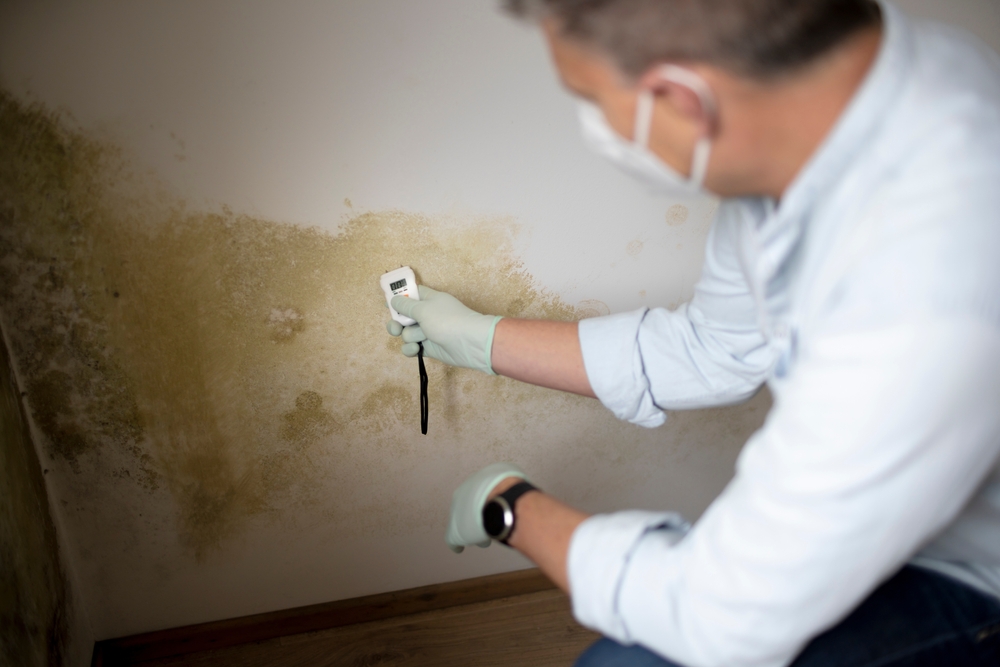
Mold testing is a diagnostic procedure designed to determine the presence, type, and concentration of mold spores in the air or on surfaces within a building. The primary goal of mold testing is to identify the specific types of mold present and evaluate whether their concentrations exceed levels that could pose health risks. This process involves the collection of air samples or surface swabs, which are then analyzed in a laboratory to identify the species of mold.
Mold testing is typically conducted after a mold inspection reveals potential mold growth or visible signs of water damage. It is also used to measure indoor air quality, particularly in environments where mold may not be immediately visible but is still present in the form of airborne spores. Mold testing is often requested when a property owner suspects mold growth but cannot confirm its existence with the naked eye. It is an essential tool for gathering specific, scientifically-backed data that can guide further actions, such as mold abatement or mold removal.
There are several types of mold testing methods available, each suited to different situations. Air sampling is one of the most common techniques, as it allows experts to measure the concentration of mold spores in the air. Surface sampling, which involves swabbing suspected moldy areas or taking samples of materials like drywall or carpeting, can help determine the mold species present. Bulk sampling, another method, involves taking a piece of the material itself and sending it for lab analysis.
While mold testing provides valuable information about the mold population within a property, it does not necessarily identify the source of the problem or help resolve the issue. That’s where mold inspections come into play.
What is Mold Inspection?
Mold inspection, on the other hand, is a thorough visual assessment of a building or property to identify areas of mold growth or conditions conducive to mold development. A mold inspector will typically examine all areas of a property where mold might be growing, such as attics, basements, bathrooms, and HVAC systems. The goal of a mold inspection is not only to identify visible mold but also to assess the conditions that might encourage mold growth, such as water damage, leaks, high humidity, or poor ventilation.
Mold inspections are generally the first step in addressing mold problems. They help pinpoint areas where mold could be present or is likely to develop. During the inspection, the inspector will also evaluate the extent of the mold damage, looking for signs of water damage, moisture accumulation, and other indicators that mold could thrive.
The inspector will look for various types of mold growth and analyze the size and location of the affected areas. Depending on the findings, they may recommend further steps, such as mold testing to confirm the type of mold present and assess its concentration, or immediate mold removal if the growth is extensive. Mold inspections are particularly useful when a property owner notices a musty odor or experiences health symptoms, such as respiratory issues, that could indicate mold problems.
A mold inspection is often necessary before a mold remediation plan can be developed. The inspector’s findings will help mold remediation professionals understand the scope of the problem, which will influence the strategies used for mold removal and the overall cost of abatement. This makes inspections a critical component in ensuring the safe and effective management of mold issues.
Mold Testing and Mold Inspection: Key Differences
While both mold testing and mold inspection are related to identifying and addressing mold problems, they serve different purposes. The most significant difference is that mold testing involves the scientific analysis of mold spores to determine the types and concentrations present in a building, while mold inspection focuses on identifying visible signs of mold growth and the environmental conditions that support its development.
A mold inspection is the initial step in diagnosing a mold problem, providing a general overview of the property’s condition and identifying areas where mold may be growing. It does not require specialized equipment beyond basic tools such as moisture meters and infrared cameras. Mold testing, on the other hand, is a more specialized process that provides specific data on the type and concentration of mold present, which is crucial for understanding the potential health risks and the severity of the mold problem.
Another key difference is that mold inspections are typically visual assessments and non-invasive, whereas mold testing may require the collection of samples, which could involve drilling holes in walls or removing pieces of materials. The testing process requires professional expertise and laboratory analysis, making it more time-consuming and costly than an inspection.
In terms of purpose, mold inspection helps you understand the physical condition of your property and gives you an idea of where mold might be thriving, whereas mold testing provides hard data about the mold species present and their potential risks. Mold testing can sometimes be an optional service if the presence of mold is already confirmed during the inspection, but it may be necessary when specific mold identification is required.
When Should You Use Mold Testing or Mold Inspection?
Mold testing and mold inspection are often used together to provide a complete picture of a property’s mold situation. However, there are scenarios where one may be more appropriate than the other.
If you notice visible signs of mold or suspect water damage, a mold inspection should be your first step. An inspection will help you identify the location and extent of the mold growth and determine whether testing is necessary. If the inspector finds significant mold damage or potential health risks, they may recommend mold testing to identify the specific type of mold and evaluate whether its concentrations exceed safe levels. In cases where mold is not immediately visible, mold testing may be used to confirm its presence by measuring airborne spores.
Mold testing is also valuable in situations where the health of residents or occupants is a concern. People with allergies, respiratory issues, or compromised immune systems may be more vulnerable to mold exposure. In these cases, testing can help identify the mold types and their potential health impacts, which can inform decisions about mold abatement or removal. Additionally, mold testing may be recommended in properties that have experienced water damage, such as following flooding, leaks, or roof damage. In such cases, mold testing helps determine whether the moisture has led to mold growth in hidden areas.
On the other hand, if you are planning to sell or buy a property, a mold inspection is an essential step in ensuring that the property is safe and mold-free. The inspection will help identify any underlying issues that could be problematic in the future. In these cases, a mold inspection can often be enough to identify the need for mold removal or remediation, without the need for extensive testing unless necessary.
Conclusion
Understanding the difference between mold testing and mold inspection is crucial for anyone dealing with mold-related issues. Mold inspection is typically the first step in identifying potential mold problems and assessing the environmental conditions conducive to mold growth. It helps identify visible mold and moisture issues but does not provide specific details about the types or concentrations of mold present. Mold testing, on the other hand, provides a detailed scientific analysis of the mold species and concentrations, helping to determine the severity of the mold problem and its potential health risks.
In many cases, both mold inspection and mold testing are needed to ensure the safety of your home or business. Whether you are dealing with an existing mold problem or trying to prevent one, these processes are essential in protecting the health of the occupants and preserving the integrity of the building. If you suspect mold in your property, consult with professionals who can guide you through the necessary steps, from inspection to mold removal and abatement.
Need a Mold Specialist in Concord, NC?
Here at Concord Asbestos Abatement and Mitigation LLP, we take pride in providing top-notch remediation services tailored to meet your needs. As a family-owned and -operated business, we understand the importance of keeping your home or business safe and worry-free. Our knowledgeable team is committed to delivering exceptional service, maintaining cost-effective solutions, and ensuring every job site is left in pristine condition. Contact us today to schedule your consultation and experience the Concord difference!
Spring is a season full of renewal, growth, and longer days. However, for homeowners, it also brings a set of challenges, one of the most common being mold growth. Spring showers are essential for the blooming flowers and lush green landscapes, but they can also create the perfect environment for mold to thrive. Moisture from rain, combined with fluctuating temperatures, offers an ideal breeding ground for mold in homes and buildings. While mold may seem like a minor inconvenience, it can lead to significant health and structural issues if left unchecked. In this post, we’ll discuss how to detect mold, why it’s important to prevent it, and the steps you can take to keep your home safe and dry this season.
Why Spring Showers Make Mold More Likely
Spring is often the rainiest season, and with the increase in moisture comes a rise in mold growth. Mold thrives in areas with high humidity and consistent moisture, both of which spring provides. When the air becomes warm and humid, it encourages mold spores to settle and grow. These spores are everywhere—indoor and outdoor—and they only need a damp environment to begin the process of colonization. Common places mold grows include basements, bathrooms, kitchens, and anywhere moisture can accumulate, including windowsills, insulation, and around leaky pipes.
While mold is a natural part of the environment and necessary for decomposing organic materials, it becomes a problem when it begins growing in your home. Left unchecked, mold can quickly spread, damaging building materials like drywall, wood, and insulation. In addition, mold can produce mycotoxins, which are toxic substances that can cause health problems such as allergic reactions, asthma, or respiratory infections. That’s why it’s crucial to monitor your home during the spring months and take action if you notice the signs of mold growth.
How to Detect Mold in Your Home
Detecting mold in your home early on is key to preventing it from spreading and causing further damage. One of the first signs that mold might be present is the smell. A musty or earthy odor is often the first indicator, even before visible mold is noticeable. If you walk into a room and notice this distinct scent, it’s time to investigate further.
To identify mold growth, pay attention to areas in your home where moisture is common. Look for signs of discoloration or stains on walls, ceilings, or floors. Mold typically appears as black, green, or white patches that can range from fuzzy to slimy. It can grow in various places, including behind wallpaper, inside cabinets, or around windows, particularly if the window seal is compromised or condensation accumulates on cold surfaces.
While the visible signs are important, mold is not always easy to detect. It can grow in hidden areas like inside walls or beneath flooring where it’s not immediately visible. If you suspect mold but can’t find any clear signs, you may need to perform mold testing. Mold testing involves taking samples from your home’s surfaces or the air and sending them to a lab for analysis. This can give you an accurate idea of the extent of the problem, even if it’s not yet visibly evident.
In cases of significant mold growth, it might be necessary to bring in a professional for mold removal and abatement. They can assess the situation and help ensure that the mold is safely removed, preventing further damage and health risks. If you have allergies or respiratory issues, it’s especially important to consult a mold expert who can handle the situation safely and thoroughly.
How to Prevent Mold Growth During Spring
Prevention is always better than cure, and when it comes to mold, the best strategy is to reduce the conditions that allow mold to grow in the first place. Moisture is the primary catalyst for mold growth, so the first step in prevention is minimizing the amount of moisture in your home. Here are some effective strategies to help keep your home dry and mold-free this spring.
One of the most important things you can do is ensure proper ventilation in your home. Increased airflow helps prevent moisture buildup, especially in areas prone to humidity like bathrooms and kitchens. Always use exhaust fans when cooking or showering to reduce moisture in the air. Additionally, consider using a dehumidifier in damp areas such as basements or laundry rooms to keep humidity levels under control. This will make it more difficult for mold spores to settle and begin growing.
You should also address any leaks or water damage immediately. Even small leaks can cause significant moisture buildup over time, leading to mold. Check the roof, windows, and plumbing regularly to ensure that everything is in good condition. Pay particular attention to any areas that are frequently exposed to moisture, such as bathrooms, kitchens, and basements. If you find a leak, repair it promptly to prevent mold from taking hold.
Another effective way to prevent mold is to maintain proper drainage around your home. Ensure that gutters are cleaned regularly so that rainwater flows freely away from the foundation of your home. Water that pools around the foundation can seep into the walls or basement, creating ideal conditions for mold growth. Proper landscaping, including grading the land so that water flows away from the house, can also help prevent water from accumulating in unwanted places.
In addition, be vigilant about moisture around your windows. Condensation can easily accumulate on windows during the spring when temperatures fluctuate. To prevent mold, wipe down condensation immediately and ensure that your windows are properly sealed. You may also consider installing window treatments like blinds or curtains that can help to regulate the temperature and reduce condensation.
Mold Removal and Abatement: What to Do If You Find Mold
If you find mold in your home, it’s important to act quickly to remove it before it spreads. Small patches of mold may be treatable on your own, but larger infestations or hidden mold problems require professional mold removal and abatement services. Mold removal involves not only eliminating the visible mold but also addressing the underlying moisture problem to ensure the mold doesn’t return.
When attempting to remove mold yourself, it’s essential to wear protective equipment such as gloves, a mask, and goggles to avoid inhaling mold spores or coming into contact with the mold. You should also ensure the area is well-ventilated during the cleanup process. Mold can often be removed with soap and water or a diluted bleach solution, but some materials may need to be discarded if the mold has penetrated deep into them. This includes porous materials such as drywall or carpet, which may require replacement.
If the mold problem is extensive or located in hard-to-reach areas, mold abatement professionals are the best option. Mold abatement involves not just removing the mold but also containing the area, cleaning and disinfecting affected surfaces, and improving ventilation to prevent future growth. These professionals have specialized equipment and knowledge to safely and thoroughly address mold issues, ensuring that your home is safe from long-term damage and health risks.
It’s important to note that mold removal is not a one-time fix; it requires ongoing prevention efforts to ensure the mold doesn’t return. After removing mold, continue to monitor the affected areas and ensure the moisture problem is resolved. Implementing the preventive strategies discussed earlier—such as improving ventilation and repairing leaks—will significantly reduce the chances of mold returning.
The Importance of Regular Maintenance and Mold Inspections
To truly safeguard your home from mold, regular maintenance and inspections are key. This is especially important during the spring when the risk of mold growth is higher. By staying on top of minor issues before they become significant problems, you can protect your home and your health.
Consider scheduling regular mold inspections with a professional mold testing company. These experts can detect mold growth early on and provide solutions for remediation if needed. Even if you don’t see any obvious signs of mold, an inspection can uncover hidden problems that may not yet be visible to the naked eye. Regular maintenance, such as cleaning gutters, checking for leaks, and improving ventilation, can also go a long way in preventing mold growth.
Conclusion
By staying proactive during the spring months, you can ensure that your home remains dry, healthy, and free from the dangers of mold. This will not only protect the structural integrity of your property but also improve the air quality and reduce health risks associated with mold exposure. With the right prevention and maintenance, you can enjoy a mold-free home all season long.
Need a Mold Specialist in Concord, NC?
Here at Concord Asbestos Abatement and Mitigation LLP, we take pride in providing top-notch remediation services tailored to meet your needs. As a family-owned and -operated business, we understand the importance of keeping your home or business safe and worry-free. Our knowledgeable team is committed to delivering exceptional service, maintaining cost-effective solutions, and ensuring every job site is left in pristine condition. Contact us today to schedule your consultation and experience the Concord difference!