

Cold Weather and Condensation: The Hidden Link Between Moisture, Mold, and Asbestos
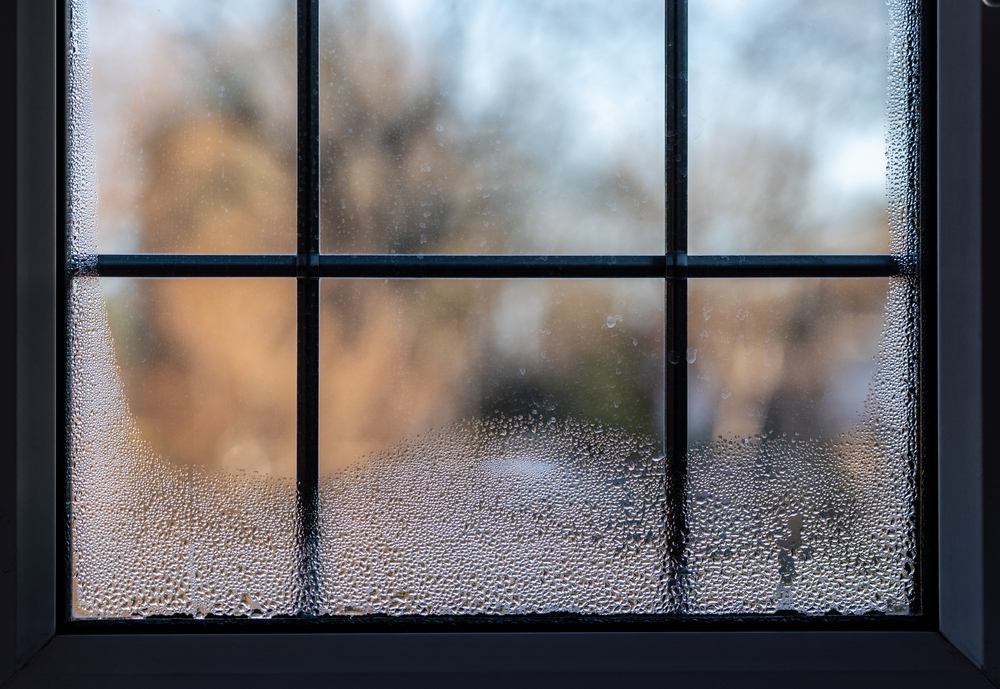
As the temperature drops in Concord, NC, many homeowners notice an increase in condensation on windows, walls, and ceilings. While it may seem harmless, this moisture buildup can quietly contribute to more serious problems such as mold growth and even asbestos exposure. Understanding how cold weather affects moisture control is essential for keeping your home safe, healthy, and structurally sound during winter months.
The Science Behind Condensation and Cold Weather
Condensation occurs when warm, moist indoor air comes into contact with cold surfaces. The drop in temperature causes the water vapor to turn into liquid droplets. During the winter months in Concord, NC, homes are typically sealed tight to conserve heat, leading to limited ventilation. This lack of airflow traps humidity indoors, which then condenses on cooler surfaces like windows, basements, and attics.
The issue may seem minor at first, but over time, the repeated buildup of moisture creates an environment ideal for mold spores to thrive. Mold not only damages building materials but also poses health risks, especially for individuals with allergies, asthma, or weakened immune systems. The combination of cold air, inadequate insulation, and trapped humidity forms the perfect storm for hidden mold growth behind walls or under flooring.
The Connection Between Condensation and Asbestos Exposure
When moisture seeps into older building materials, it can also disturb substances that contain asbestos. Many homes built before the 1980s used asbestos in insulation, flooring, ceiling tiles, and even drywall joint compounds. In Concord, NC, where many residential and commercial structures date back several decades, condensation and water damage can become a catalyst for asbestos exposure.
Wet conditions can cause asbestos-containing materials to deteriorate, releasing microscopic fibers into the air. This is where condensation and asbestos exposure become dangerously linked. Once these fibers are airborne, they can be inhaled, leading to long-term health risks such as asbestosis, lung cancer, or mesothelioma. Even a small water leak or persistent humidity problem can destabilize old materials and increase the asbestos risk if proper remediation is not performed.
Moisture also complicates the asbestos abatement process. When water-damaged asbestos materials are handled incorrectly, it can amplify contamination throughout the property. Therefore, it is critical to work with certified asbestos professionals who understand both water damage remediation, NC regulations, and safe removal procedures.
Mold and Moisture: A Growing Concern in Concord, NC
The humid climate of Concord, NC makes moisture control a year-round challenge, but winter introduces specific risks. The difference between indoor heating and cold outdoor temperatures encourages condensation in poorly insulated areas, while limited air circulation traps excess humidity. If not managed, this environment fosters mold growth in places homeowners rarely inspect, such as inside HVAC ducts, behind wallpaper, or within crawl spaces.
Mold prevention in Concord, NC involves more than just cleaning visible growth. It requires addressing the root cause: moisture. Homeowners can reduce condensation by using dehumidifiers, maintaining indoor humidity levels below 50%, and ensuring proper insulation in walls and attics. Ventilation is equally important. Regularly running bathroom and kitchen exhaust fans and occasionally opening windows can help balance indoor air circulation during colder months.
However, if mold growth is already present, it should not be ignored. Mold can damage drywall, wooden beams, and insulation, creating costly repairs. Moreover, untreated mold issues can complicate asbestos-containing materials, increasing the potential for dual contamination that requires specialized water damage remediation in NC.
Safe Moisture Control and Asbestos Risk Management
Maintaining a dry home environment is the most effective way to prevent mold and minimize asbestos risk. Moisture control strategies should focus on identifying and addressing condensation points early. Simple steps like insulating pipes, sealing window frames, and repairing roof leaks can drastically reduce indoor humidity buildup.
If your home has a history of water damage or was constructed before 1980, professional inspection is strongly advised. Certified environmental specialists can test for both mold and asbestos, ensuring that any renovation or cleanup work does not disturb hazardous materials. Attempting DIY remediation in these situations can unintentionally worsen the problem, releasing asbestos fibers or spreading mold spores throughout the home.
It’s also important to manage any heating system or ventilation repairs carefully. HVAC systems that circulate moist air can spread contaminants rapidly, especially in older ductwork lined with asbestos insulation. Professional maintenance ensures that air filtration systems remain effective at capturing particles and preventing cross-contamination between rooms.
When severe water intrusion occurs—such as from burst pipes, flooding, or roof damage—immediate water damage remediation in NC becomes crucial. Certified technicians can extract moisture, disinfect affected areas, and perform controlled drying to prevent further structural deterioration. This comprehensive approach not only restores your property but also mitigates health hazards linked to moisture and asbestos exposure.
Protecting Your Home and Health Through Prevention
The best defense against winter mold and asbestos problems is proactive prevention. Regularly inspecting your home’s insulation, plumbing, and ventilation systems helps detect early warning signs of moisture intrusion. Condensation on windows, peeling paint, or musty odors can all indicate underlying issues that require attention.
Using energy-efficient windows and vapor barriers can also reduce condensation during Concord’s chilly winters. Likewise, routine gutter maintenance prevents water from seeping into foundation walls, where mold and asbestos materials may coexist. If you plan home improvements, consult professionals familiar with asbestos-safe construction practices. Even simple projects like installing new flooring or replacing insulation can disturb asbestos if not handled properly.
Additionally, keep an eye on your attic and crawl spaces—two areas often overlooked in winter maintenance. These zones are prone to trapped humidity and poor ventilation, especially if insulation is outdated. Installing moisture sensors or smart humidity monitors can help homeowners stay informed and respond promptly to changes in indoor air conditions.
Homeowners should also consider periodic mold and asbestos testing, especially after heavy rainstorms or cold snaps that lead to condensation surges. Testing offers peace of mind and can prevent small moisture problems from escalating into major health or financial burdens.
Conclusion
Cold weather and condensation may seem like minor inconveniences, but their effects can have lasting consequences for homes in Concord, NC. The link between moisture, mold, and asbestos is often overlooked, yet it represents one of the most significant health and safety challenges during the winter months. By understanding how condensation contributes to both mold growth and asbestos deterioration, homeowners can take the right preventive steps to safeguard their living spaces.
Effective moisture control not only supports comfort but also reduces the hidden dangers of mold and asbestos exposure. Whether it’s installing better insulation, scheduling routine inspections, or investing in professional water damage remediation in NC, proactive action pays off. Keeping your home dry, well-ventilated, and structurally sound ensures a healthier environment through the cold season and beyond.
In the end, managing winter mold and asbestos risks in Concord, NC comes down to vigilance and informed care. When homeowners recognize the hidden link between cold weather, condensation, and indoor pollutants, they can make smarter choices that protect both their property and their health year-round.
Need Remediation Services in Concord, NC?
Here at Concord Asbestos Abatement and Mitigation LLP, we take pride in providing top-notch remediation services tailored to meet your needs. As a family-owned and -operated business, we understand the importance of keeping your home or business safe and worry-free. Our knowledgeable team is committed to delivering exceptional service, maintaining cost-effective solutions, and ensuring every job site is left in pristine condition. Contact us today to schedule your consultation and experience the Concord difference!