

Safe Demolition: Why Commercial Properties in Concord Need Asbestos Testing First
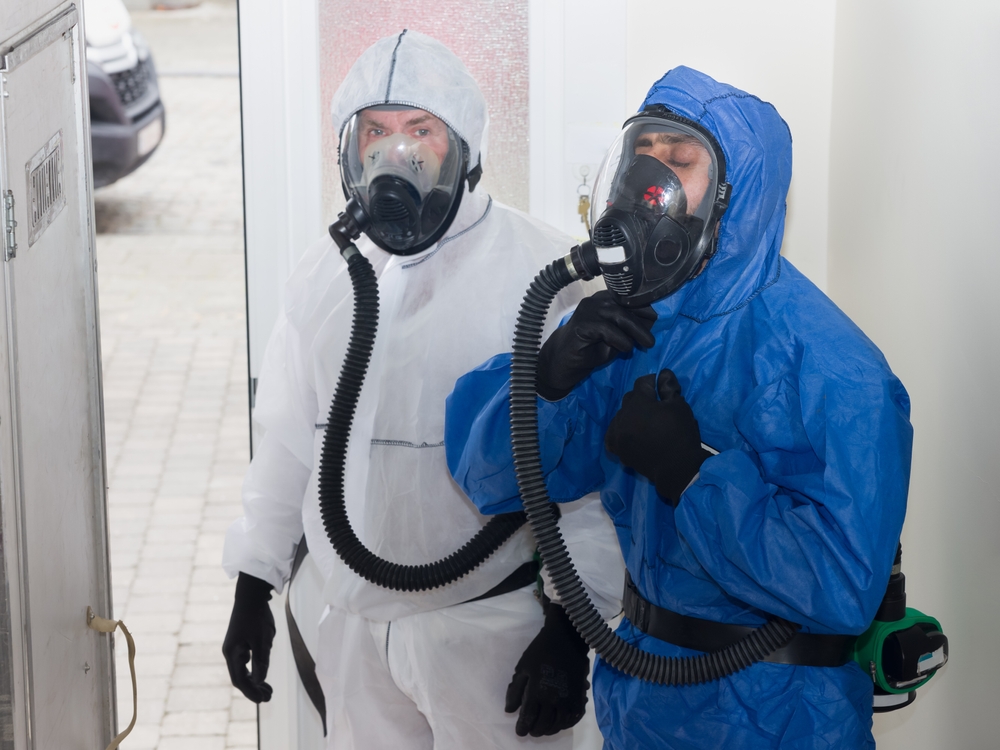
Older commercial buildings across Concord often hold hidden surprises behind walls, above ceilings, and beneath flooring. Whether you are renovating a warehouse, redeveloping a retail space, or preparing a historic storefront for demolition, asbestos-containing materials may still be present. Identifying these materials before demolition protects workers, keeps projects moving, and helps avoid costly regulatory issues.
Quick Answer
Commercial properties scheduled for demolition should undergo asbestos testing before any structural work begins. California regulations require asbestos surveys before demolition activities, especially in older buildings where asbestos-containing materials may be present. Asbestos testing helps property developers, investors, and contractors identify hazards early, plan safe removal when necessary, and avoid unexpected project delays.
What Local Readers Should Know
- Commercial buildings constructed before the 1980s in Concord are more likely to contain asbestos in insulation, flooring, roofing, pipe wrap, and ceiling materials.
- Downtown Concord’s historic storefronts and older warehouses often include original construction materials that require careful inspection before demolition.
- Contra Costa County projects may require compliance with local, state, and federal asbestos regulations before demolition permits proceed.
- Identifying asbestos before demolition reduces the risk of contamination, worker exposure, and expensive project interruptions.
- Commercial property developers and investors can better estimate renovation or demolition costs by scheduling asbestos testing early in the planning process.
Why This Matters Locally
Safe demolition is especially important throughout Concord because many commercial buildings were constructed during decades when asbestos was commonly used in building materials. Areas near Todos Santos Plaza, older industrial corridors, and long-standing commercial districts often include structures built before modern asbestos restrictions.
Commercial redevelopment continues throughout Contra Costa County as investors purchase aging buildings for renovation, adaptive reuse, or complete replacement. Understanding potential environmental hazards before demolition helps projects stay on schedule while protecting neighboring businesses and the surrounding community.
At Concord Asbestos Abatement and Mitigation LLP, we help commercial property owners and developers identify asbestos risks before demolition begins, allowing projects to move forward with greater confidence.
Local Data and Professional Field Observations
California maintains some of the nation’s most comprehensive asbestos regulations through agencies such as Cal/OSHA and the California Air Resources Board. These regulations require asbestos inspections before many demolition activities and establish procedures for handling regulated materials safely.
From our professional field observations, older commercial properties throughout the Concord area frequently contain asbestos in multiple building systems. Warehouses, office buildings, manufacturing facilities, and historic retail properties often reveal asbestos during pre-demolition inspections, even after previous renovations.
Local Impact
Asbestos discoveries during demolition can quickly affect project budgets and schedules. For commercial property developers and investors, an unexpected work stoppage may delay tenant improvements, financing milestones, or property sales.
Early asbestos testing allows project teams to coordinate environmental services before demolition contractors mobilize equipment. This proactive approach reduces downtime and supports safer working conditions throughout the redevelopment process.
Warning Signs That Asbestos Testing Is Needed
Commercial property owners should consider asbestos testing if they notice any of the following:
- The building was constructed before the early 1980s.
- Original floor tiles, ceiling tiles, or insulation remain in place.
- Pipe insulation appears aged or deteriorated.
- Roofing materials have never been replaced.
- Previous renovations lack environmental documentation.
- Demolition plans involve disturbing walls, ceilings, or mechanical systems.
- Historic building records indicate original construction materials remain intact.
When to Call a Professional
Commercial property owners can review construction records and identify a building’s approximate age, but they should not attempt to determine whether materials contain asbestos through visual inspection alone.
Professional asbestos testing should occur before demolition planning advances. Certified inspectors collect representative samples, coordinate laboratory analysis, and document findings so developers can make informed decisions before construction crews begin work.
Common Local Causes of Asbestos in Commercial Buildings
The most common reason asbestos is found in Concord commercial properties is simply building age. Materials manufactured for decades commonly incorporated asbestos because of its heat resistance and durability.
Additional contributing factors include:
- Original construction materials that have remained undisturbed for decades.
- Multiple renovations that covered asbestos-containing materials instead of removing them.
- Aging roofing systems installed before asbestos restrictions.
- Mechanical rooms with older insulation around boilers, ducts, or piping.
- Historic downtown buildings that have retained many original building components.
Prevention and Planning
The best way to prevent asbestos-related delays is to include environmental testing during the earliest stages of redevelopment planning.
Commercial property developers and investors should:
- Schedule asbestos inspections before purchasing older buildings whenever possible.
- Budget for environmental assessments during project planning.
- Review historical renovation records.
- Coordinate demolition schedules after inspection results are available.
- Allow sufficient time for asbestos abatement if regulated materials are identified.
Expected Results from Early Asbestos Testing
Early asbestos testing provides developers with clearer information about project conditions before demolition begins.
Depending on inspection findings, property owners can expect:
- Identification of asbestos-containing materials requiring management.
- Laboratory documentation supporting project planning.
- Better coordination between environmental consultants and demolition contractors.
- Fewer unexpected interruptions once demolition begins.
- More accurate budgeting for redevelopment activities.
Common Mistakes
Mistake: Assuming a previous renovation removed all asbestos.
Consequence: Hidden materials may still be present, creating unexpected delays during demolition.
Better Approach: Complete a new asbestos inspection before demolition, regardless of prior remodeling history.
Mistake: Waiting until demolition crews arrive to schedule testing.
Consequence: Work may stop while inspections and laboratory analysis are completed.
Better Approach: Include asbestos testing during pre-construction planning.
Mistake: Believing only insulation contains asbestos.
Consequence: Flooring, roofing, ceiling materials, adhesives, and other products may be overlooked.
Better Approach: Conduct a comprehensive inspection covering all suspect materials.
Common Local Scenario
A commercial property developer purchases an older warehouse near Concord’s industrial district with plans for redevelopment. During early planning, an asbestos inspection identifies regulated materials within pipe insulation and floor tile adhesive. Because testing occurred before demolition contracts were finalized, the project team adjusts scheduling, completes required abatement, and proceeds with demolition according to plan instead of experiencing costly delays after work begins.
Related Service Solutions
Commercial demolition projects often benefit from several related environmental services, including:
- Pre-demolition asbestos inspections
- Asbestos sampling and laboratory analysis
- Asbestos abatement planning
- Commercial asbestos removal
- Final project documentation
- Demolition support coordination
Comparing Your Options
| Option | Advantages | Limitations |
|---|---|---|
| No pre-demolition testing | Lower upfront cost | Higher risk of delays, regulatory issues, and unexpected expenses |
| Professional asbestos testing | Identifies hazards early, supports compliance, improves project planning | Requires inspection before demolition |
| Testing plus planned abatement | Allows demolition to proceed with better coordination when asbestos is present | Additional planning and scheduling required |
Service Areas
We assist commercial property owners, developers, and investors throughout Concord, Walnut Creek, Pleasant Hill, Martinez, Pittsburg, and surrounding communities across Contra Costa County. Our services support redevelopment projects involving office buildings, warehouses, retail centers, and historic commercial properties.
The Cost of Ignoring the Issue
Skipping asbestos testing before demolition can result in work stoppages, project delays, increased cleanup costs, and regulatory complications. Early identification allows commercial property developers and investors to make informed decisions while reducing unexpected disruptions during redevelopment.
Frequently Asked Questions
Is asbestos testing required before commercial demolition in Concord?
Yes. Most commercial demolition projects involving older buildings require asbestos inspections before demolition activities begin. Testing helps determine whether regulated asbestos-containing materials are present and supports compliance with applicable California regulations.
Why are downtown Concord commercial buildings more likely to need asbestos testing?
Many historic storefronts and older commercial structures in the downtown area were built when asbestos-containing materials were commonly used. Their age increases the likelihood that asbestos remains within original construction materials.
Can commercial property developers test for asbestos themselves?
No. Visual inspections cannot confirm whether materials contain asbestos. Laboratory testing performed on properly collected samples provides reliable identification and supports informed demolition planning.
What building materials commonly contain asbestos in Contra Costa County commercial properties?
Common materials include pipe insulation, floor tile, mastic adhesives, roofing products, ceiling tiles, fireproofing materials, and textured coatings installed before asbestos regulations changed.
Does asbestos always delay demolition projects?
No. Early asbestos testing allows project teams to identify potential issues before demolition begins. If asbestos is present, appropriate planning can help minimize disruption to the overall redevelopment schedule.
Should investors order asbestos testing before purchasing an older commercial property in Concord?
Yes. Pre-purchase environmental due diligence provides valuable information about potential remediation costs and helps investors evaluate redevelopment budgets before closing on older commercial buildings.
How long before demolition should asbestos testing be scheduled?
Asbestos testing should be scheduled as early as possible during project planning. Early inspections provide sufficient time for laboratory analysis, regulatory planning, and any necessary asbestos abatement before demolition starts.
Does every older commercial building contain asbestos?
No. While many older buildings contain asbestos-containing materials, not every structure does. Professional testing provides accurate information rather than relying on assumptions based on a building’s age.
Closing
Commercial redevelopment starts with understanding the condition of the property before demolition begins. Early asbestos testing helps commercial property developers and investors make informed decisions, improve project planning, and reduce unexpected delays throughout the redevelopment process.
Protect Your Commercial Demolition Project from Unexpected Delays
Planning ahead starts with accurate asbestos testing and informed project decisions.