

Buying an Older Home in Concord, NC? How to Spot (and Handle) Hidden Asbestos
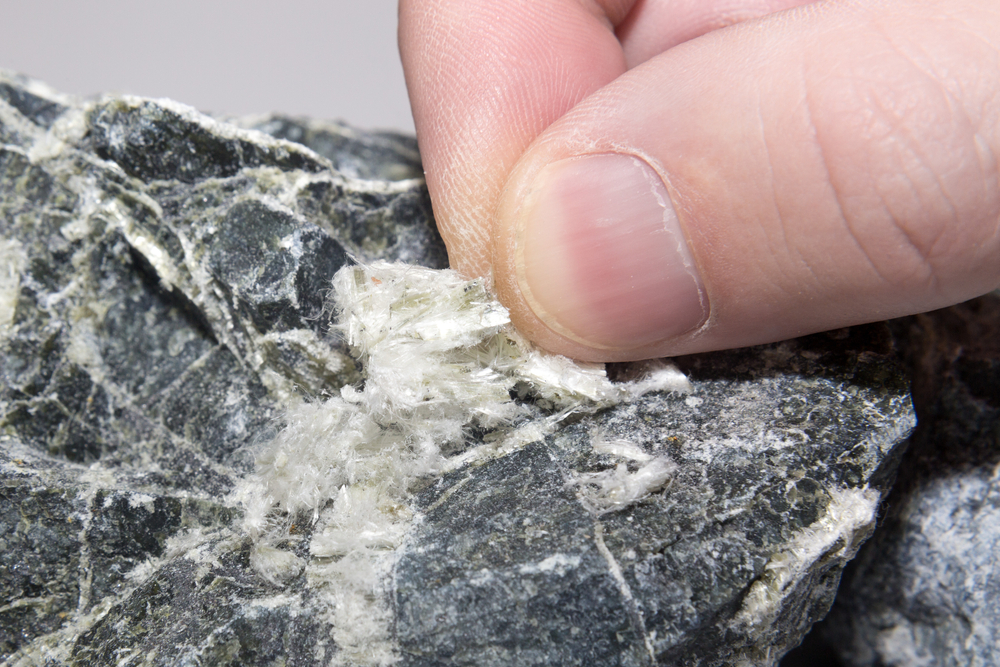
Buying an older home can be exciting, especially in a growing community like Concord, where historic neighborhoods, established subdivisions, and classic homes offer plenty of character. However, properties built before the 1980s may contain asbestos in materials that are still intact and hidden from view. Knowing what to look for before closing can help you avoid unexpected renovation delays and costly surprises.
Quick Answer
If you’re buying an older home in Concord, NC, the safest approach is to assume certain building materials could contain asbestos until they have been professionally inspected and, if necessary, tested. Asbestos is not always dangerous when left undisturbed, but remodeling, demolition, or damage can release hazardous fibers into the air. Identifying potential asbestos-containing materials before renovations helps protect your investment and your family’s health.
What Local Readers Should Know
- Homes built before the early 1980s in Concord may contain asbestos in insulation, flooring, ceilings, siding, roofing, or pipe coverings.
- Many older neighborhoods throughout Cabarrus County feature homes that were constructed during the years asbestos-containing products were commonly used.
- Renovation projects often uncover hidden asbestos after walls, ceilings, or flooring are opened.
- Professional inspection before major remodeling can help avoid unexpected project delays and additional costs.
- Local buyers should include environmental considerations alongside standard home inspections when evaluating older properties.
Why This Matters Locally
Older homes remain popular throughout Concord because of their established neighborhoods, mature trees, and convenient access to areas like Downtown Concord, Gibson Mill, and the Historic District. Many homes throughout Cabarrus County were constructed during decades when asbestos was a standard ingredient in numerous building products.
North Carolina’s seasonal humidity, occasional storms, and years of normal wear can also damage older materials, increasing the chance that asbestos-containing products become brittle or deteriorate over time.
At Concord Asbestos Abatement and Mitigation LLP, we help homeowners understand potential asbestos concerns before renovation projects begin so they can move forward with confidence.
Local Data and Field Observations
According to the U.S. Environmental Protection Agency, asbestos was widely used in residential construction materials for decades because of its heat resistance and durability. Although many products containing asbestos were phased out, millions of older homes across the United States still contain these materials. Professional field experience consistently shows that renovation projects are when previously hidden asbestos is most commonly discovered.
Local Impact
Buying an older property in Concord often means balancing historic charm with modern upgrades. Kitchens, bathrooms, basements, and attic renovations frequently involve disturbing original materials that may contain asbestos.
Unexpected discoveries can delay remodeling schedules, require specialized contractors, and affect renovation budgets. Identifying concerns early allows buyers to plan appropriately before demolition begins.
Warning Signs You May Have Hidden Asbestos
Hidden asbestos cannot be identified by appearance alone, but certain conditions increase the likelihood that asbestos-containing materials may be present.
- The home was built before the early 1980s.
- Original vinyl floor tiles or sheet flooring remain in place.
- Pipe insulation appears wrapped in older fibrous material.
- Popcorn ceilings have never been updated.
- Cement siding or roofing shingles appear original.
- Old furnace duct insulation remains intact.
- Previous renovations covered older materials instead of removing them.
- Damaged ceiling tiles or insulation are visible in unfinished spaces.
When to Call a Professional
Professional asbestos evaluation is recommended before any project that will disturb older building materials. While buyers can visually inspect accessible areas during walkthroughs, sampling suspected asbestos-containing materials should only be performed by qualified professionals.
If you plan to remove flooring, replace insulation, renovate bathrooms, remodel kitchens, or finish an attic in an older Concord home, scheduling an asbestos inspection before work begins is a practical first step.
Common Local Causes of Asbestos Concerns
Several factors make asbestos more likely to appear in older homes throughout the Concord area.
1. Older Construction
Homes built during the mid-20th century commonly incorporated asbestos into insulation, flooring adhesives, roofing products, and wall materials.
2. Multiple Renovation Layers
Many homes have undergone several remodeling projects over the years, with new flooring or drywall installed over older materials rather than removing them.
3. Aging Building Materials
Time, moisture, and seasonal temperature changes throughout North Carolina can cause older materials to deteriorate, increasing the likelihood that asbestos-containing products become damaged.
4. Deferred Maintenance
Long-term roof leaks, plumbing issues, or water intrusion may damage ceilings, insulation, and wall systems where asbestos-containing materials could be present.
Prevention and Maintenance
The best prevention strategy is identifying asbestos before renovation begins.
Helpful steps include:
- Request construction records when purchasing an older home.
- Review seller disclosures carefully.
- Schedule environmental inspections before remodeling.
- Avoid drilling, sanding, or breaking suspected materials.
- Keep damaged materials undisturbed until they can be evaluated.
- Work with qualified professionals whenever asbestos is suspected.
Expected Results
Professional asbestos inspections provide homeowners with clearer information about whether asbestos-containing materials are present and whether they require management or removal.
Depending on the condition of the material, recommendations may include monitoring, encapsulation, or abatement before renovations proceed. Not every asbestos-containing material requires immediate removal if it remains undisturbed and in good condition.
Common Mistakes
Mistake: Assuming every older home contains dangerous asbestos.
Consequence: Buyers may become unnecessarily alarmed or abandon otherwise excellent properties.
Better Approach: Understand that many asbestos-containing materials remain stable until disturbed and should be evaluated professionally.
Mistake: Beginning demolition before testing.
Consequence: Renovation work may stop unexpectedly if asbestos is discovered.
Better Approach: Schedule inspection before any remodeling starts.
Mistake: Removing suspicious materials yourself.
Consequence: Disturbing asbestos may release hazardous fibers.
Better Approach: Leave suspect materials intact until professionals determine the safest course of action.
Common Local Scenario
A buyer purchases a mid-century home near Downtown Concord with plans for a complete kitchen remodel. Once the old flooring is removed, the contractor discovers older adhesive beneath the original tile that may contain asbestos. Because testing was not completed before demolition, the renovation pauses while additional evaluation and mitigation are arranged.
Planning for environmental inspections before remodeling can help prevent similar interruptions.
Related Service Solutions
Depending on inspection results, homeowners may benefit from services such as:
- Asbestos inspections
- Material sampling and laboratory testing
- Asbestos abatement
- Encapsulation when appropriate
- Safe removal before renovation
- Post-removal clearance procedures
Comparing Your Options
| Option | Advantages | Considerations |
|---|---|---|
| Leave undisturbed material in place | May remain safe if in good condition | Requires ongoing monitoring |
| Professional inspection | Identifies potential concerns before renovation | Helps guide renovation planning |
| Professional abatement | Removes asbestos before remodeling | May extend project timeline but improves renovation safety |
| DIY removal | Lower initial cost | Significant safety risks and generally not recommended |
Service Areas
We proudly assist homeowners throughout Concord and nearby communities including Kannapolis, Harrisburg, Mount Pleasant, Midland, and other areas across Cabarrus County. We also support buyers preparing older homes for safe renovation throughout the surrounding region.
Cost of Ignoring the Issue
Waiting until demolition begins to address potential asbestos can increase renovation costs, delay construction schedules, and complicate real estate transactions. Planning ahead allows homeowners to make informed decisions before work starts.
Frequently Asked Questions
Does every older home in Concord contain asbestos?
No. Not every older home in Concord contains asbestos, but homes built before the early 1980s have a higher likelihood of containing asbestos in certain building materials. Professional inspection is the most reliable way to determine whether asbestos is present.
Should I avoid buying an older home in Cabarrus County if asbestos might be present?
No. Many older homes remain excellent investments. The important step is understanding whether asbestos-containing materials exist and planning appropriately before renovations disturb them.
Can a standard home inspection identify asbestos?
No. A standard home inspection generally cannot confirm asbestos. Inspectors may identify suspicious materials, but laboratory testing is typically needed to determine whether asbestos is present.
Is asbestos dangerous if it is left alone?
Yes, asbestos-containing materials are often considered lower risk when they remain intact and undisturbed. Problems typically arise when renovation, demolition, or damage releases fibers into the air.
When should Concord homeowners schedule asbestos testing?
The best time is before remodeling, demolition, or major repairs begin. Early testing helps homeowners avoid delays once construction starts.
What parts of an older home are most likely to contain asbestos?
Common locations include insulation, vinyl flooring, adhesives, ceiling textures, roofing materials, siding, pipe insulation, and some cement products used in older construction.
Can renovations uncover hidden asbestos?
Yes. Renovation projects frequently expose hidden building materials behind walls, beneath flooring, or above ceilings that were not visible during the initial home purchase.
What should I do if I suspect asbestos in my new home?
Do not disturb the material. Arrange for a qualified asbestos professional to evaluate the area before beginning any repair or remodeling work.
Closing
Older homes throughout Concord offer charm, history, and long-term value, but they also deserve careful evaluation before renovations begin. Understanding potential asbestos concerns early allows buyers to move forward with greater confidence and fewer unexpected setbacks.
Protect Your Older Home Investment with Confidence
Whether you’re buying, remodeling, or preparing an older property, we’re here to help you understand your options and make informed decisions.