Water damage can strike without warning. A burst pipe, a flash flood, a leaking roof during a Carolina storm, and suddenly you are dealing with soaked floors, saturated walls, and a race against the clock. For homeowners in Concord, NC, the real danger often does not announce itself right away. Mold can begin growing within 24 to 48 hours of water exposure, quietly spreading through your home before you even realize it is there. Understanding what to do in those first critical hours can make the difference between a manageable cleanup and a full-scale remediation crisis.
This guide walks you through the essential steps to take after water damage, how to stop mold before it starts, and why acting fast in Concord, NC matters more than you might think.
1. Act Within the First 24 Hours
The clock starts the moment water enters your home. Emergency water damage cleanup in NC is most effective when it begins immediately. The longer water sits, the deeper it penetrates into porous materials like drywall, subfloor, insulation, and wood framing. Once those materials become saturated, they become the perfect breeding ground for mold spores, which are naturally present in the air at all times and only need moisture to activate.
Your first priority is to stop the source of water if possible. Shut off the main water valve if a pipe has burst. If the damage is storm-related, do your best to prevent additional water from entering through tarping or temporary sealing. Next, begin removing standing water using wet vacuums, pumps, or mops. Every minute of contact between water and your floors or walls increases the risk of long-term structural damage and mold growth.
Do not wait to call a professional water damage restoration company in Concord, NC. Reputable restoration teams have industrial-grade equipment that can extract water and begin the drying process far more efficiently than consumer-grade tools. This early intervention is the single most effective step you can take to prevent mold from gaining a foothold.
2. Dry Everything Thoroughly and Quickly
Once standing water has been removed, the next phase is aggressive drying. This is where many homeowners make a costly mistake: they assume the visible surface is dry and move on, not realizing that moisture has penetrated deep into walls, under flooring, and behind cabinets. That hidden moisture is exactly what mold feeds on.
Professional water damage restoration in Concord, NC involves the use of high-velocity air movers, industrial dehumidifiers, and moisture meters to ensure that every affected area is dried to a safe level. Humidity levels inside the home should be brought down below 50 percent as quickly as possible. In Concord and the greater Charlotte area, summer humidity can already be elevated, which makes mechanical drying even more important.
If you are managing the drying process yourself before a professional arrives, open windows when outdoor humidity allows, run ceiling fans on high, and place any portable dehumidifiers you have in the most affected rooms. Remove wet rugs, furniture, and any soft goods that cannot be dried within 24 to 48 hours. These items can harbor mold and should be assessed carefully before being returned to the home.
Pay close attention to areas that are prone to trapping moisture: under bathroom vanities, inside closets along exterior walls, in crawl spaces, and beneath kitchen sinks. These spots are easy to overlook but are common starting points for mold growth after a water event.
3. Know the Warning Signs of Mold Growth
Even with the best response, mold can sometimes take hold before you catch it. Knowing the early warning signs allows you to respond before a small problem becomes a major one. Mold does not always look the way people expect. It is not always the dramatic black growth shown in home improvement horror stories. Early-stage mold can appear as small gray, green, or white patches, often in corners, on grout lines, or along the base of walls.
A musty, earthy smell is one of the most reliable indicators that mold is present, even when it is not yet visible. If your home smells different after a water event, trust your instincts and investigate further. Warped or buckling drywall, peeling paint, and soft spots in flooring are also signs that moisture has lingered and mold may be developing underneath the surface.
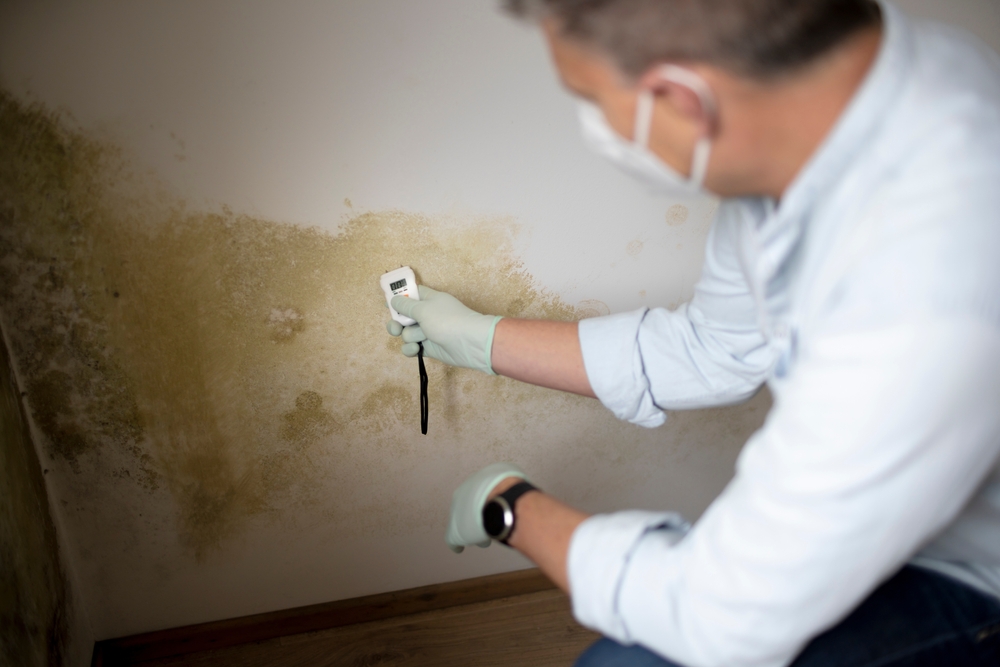
This is where a professional mold inspection in Concord, NC becomes invaluable. Certified mold inspectors use tools like thermal imaging cameras and air quality tests to detect mold that is hidden inside walls or under floors. Skipping this step can lead to incomplete remediation, recurring mold problems, and potential health risks for anyone living in the home.
4. When to Call for Professional Mold Removal
Not every situation requires a professional, but many do. If the affected area is larger than roughly 10 square feet, if mold is growing inside your HVAC system, or if anyone in the household has respiratory conditions, allergies, or a compromised immune system, professional mold removal in Concord, NC is the right call.
DIY mold removal using bleach or store-bought products is often only a surface-level fix. These products do not penetrate porous materials where mold roots, called hyphae, actually live. Without addressing the mold at its source, it will return. Professional remediation teams use containment protocols to prevent spores from spreading to unaffected areas during the removal process, and they use EPA-registered antimicrobial treatments that address mold at a deeper level.
Water damage restoration and mold removal in Concord, NC often go hand in hand. Many restoration companies offer both services, which means you can coordinate the entire process through a single provider. This streamlines communication, reduces the risk of anything being missed, and typically gets your home back to a safe, livable condition faster.
If your water damage was caused by a covered event under your homeowners insurance policy, document everything thoroughly. Take photos and videos before, during, and after cleanup. Keep records of all professional services performed. This documentation will be essential when filing your claim.
5. Protect Your Home for the Future
Once the immediate crisis has been resolved, it is worth taking steps to reduce your vulnerability to future water damage and mold growth. Inspect your roof annually, especially before hurricane season. Clean gutters and downspouts regularly to prevent water from pooling near your foundation. Check hoses and connections on appliances like washing machines and dishwashers, as these are common sources of slow leaks that go undetected for weeks.
In older Concord homes, consider having a plumber evaluate supply lines and shutoff valves, which can degrade over time. Installing a water leak detection system is an increasingly affordable option that can alert you to leaks before they escalate into full-blown water damage events. In your crawl space or basement, maintaining a vapor barrier and adequate ventilation goes a long way toward keeping moisture levels in check year-round.
Conclusion
Water damage moves fast, and mold moves even faster. For homeowners in Concord, NC, the key is responding quickly, drying completely, and calling in professionals when the situation calls for it. Emergency water damage cleanup in NC is most effective in those first critical hours, but even if time has passed, a qualified mold inspection in Concord, NC can help you assess where things stand and what needs to be done. Taking the right steps now protects your home, your health, and your peace of mind long into the future.
Need Remediation Services in Concord, NC?
Here at Concord Asbestos Abatement and Mitigation LLP, we take pride in providing top-notch remediation services tailored to meet your needs. As a family-owned and -operated business, we understand the importance of keeping your home or business safe and worry-free. Our knowledgeable team is committed to delivering exceptional service, maintaining cost-effective solutions, and ensuring every job site is left in pristine condition. Contact us today to schedule your consultation and experience the Concord difference!
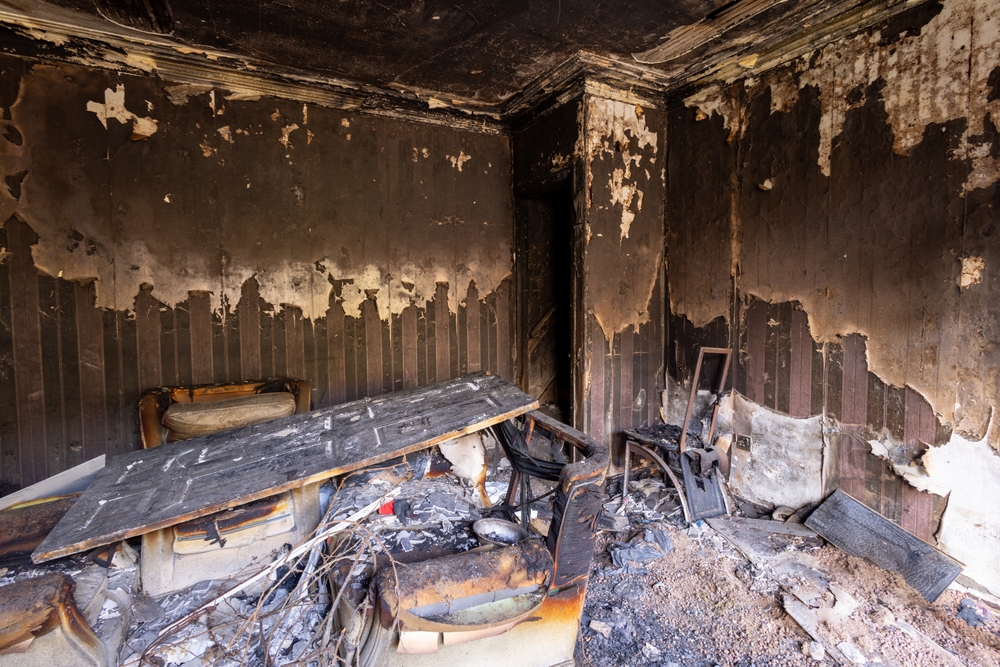
When a fire tears through your home or business in Concord, NC, the visible damage is only the beginning of your problems. The charred walls, melted fixtures, and burned belongings are heartbreaking, but what you cannot see may be even more dangerous. Hidden risks lurk beneath the surface after every fire, and addressing them quickly is critical to protecting your health, your property, and your financial investment.
Understanding what lies beneath the visible destruction is the first step toward a safe and complete recovery.
The Invisible Threat: What Smoke and Soot Leave Behind
Many homeowners assume that once the flames are out, the danger is over. Unfortunately, that assumption can lead to serious health consequences and long-term structural damage. Smoke damage restoration in NC is not simply about wiping down walls or airing out rooms. It involves identifying and neutralizing a complex mixture of toxic residues that embed themselves into every surface of your home.
Soot, the black powdery or oily substance left behind after combustion, is one of the most hazardous materials you will encounter during post fire damage restoration in NC. It contains a mixture of carbon particles, chemicals, and acids that can cause respiratory problems, skin irritation, and long-term lung damage. Soot cleanup services must be performed thoroughly and systematically because even small amounts left behind can continue to off-gas harmful compounds for weeks or even months.
Smoke particles are incredibly fine, sometimes smaller than one micron, which means they can penetrate deep into walls, insulation, ductwork, and furniture. Standard cleaning products are not equipped to neutralize these particles. Without professional fire restoration services in Concord, NC, you may clean the surface while leaving a reservoir of toxic material behind to slowly damage your indoor air quality and your health.
Structural Damage That Is Not Always Visible to the Naked Eye
Fire does not just burn what it touches. It weakens what it does not fully consume. One of the most overlooked aspects of fire damage cleanup in Concord, NC is the structural compromise that happens behind walls, above ceilings, and beneath flooring. Heat exposure can warp wooden beams, compromise the integrity of metal supports, and cause concrete to crack or spall in ways that are not immediately visible.
Water damage is another structural threat that frequently accompanies fire damage. Firefighting efforts often saturate a building, and that moisture creates the perfect environment for mold growth, wood rot, and corrosion of electrical components. If a restoration team focuses only on fire and smoke cleanup while neglecting water intrusion, the structural risks multiply significantly over the following weeks.
Electrical systems are particularly vulnerable after a fire. Heat can melt wire insulation, damage junction boxes, and compromise breaker panels even in areas that were not directly touched by flames. Using any electrical system in a fire-damaged building before it has been thoroughly inspected by a licensed professional is a serious safety hazard that could result in another fire or electrocution. Fire restoration services in Concord, NC should always include a thorough assessment of the electrical infrastructure before any power is restored.
Air Quality Hazards That Threaten Your Long-Term Health
The air inside a fire-damaged building is not safe to breathe, even after the smoke clears. Post fire damage restoration in NC must include a comprehensive air quality assessment to identify and eliminate hazardous airborne particles and gases that linger long after the event itself.
Volatile organic compounds, commonly known as VOCs, are released when household materials burn. These include formaldehyde, benzene, and a range of other chemicals that can cause headaches, dizziness, nausea, and long-term respiratory damage with repeated exposure. HVAC systems that were operating during or after the fire can distribute these contaminants throughout every room in the building, including areas that were never touched by flames.
Carbon monoxide is another invisible killer that can persist in a fire-damaged structure. Even after a building has been ventilated, pockets of this odorless and colorless gas can accumulate in enclosed spaces. Professional soot cleanup services include air quality testing that specifically checks for carbon monoxide levels and other toxic gases before clearing a structure for re-entry.
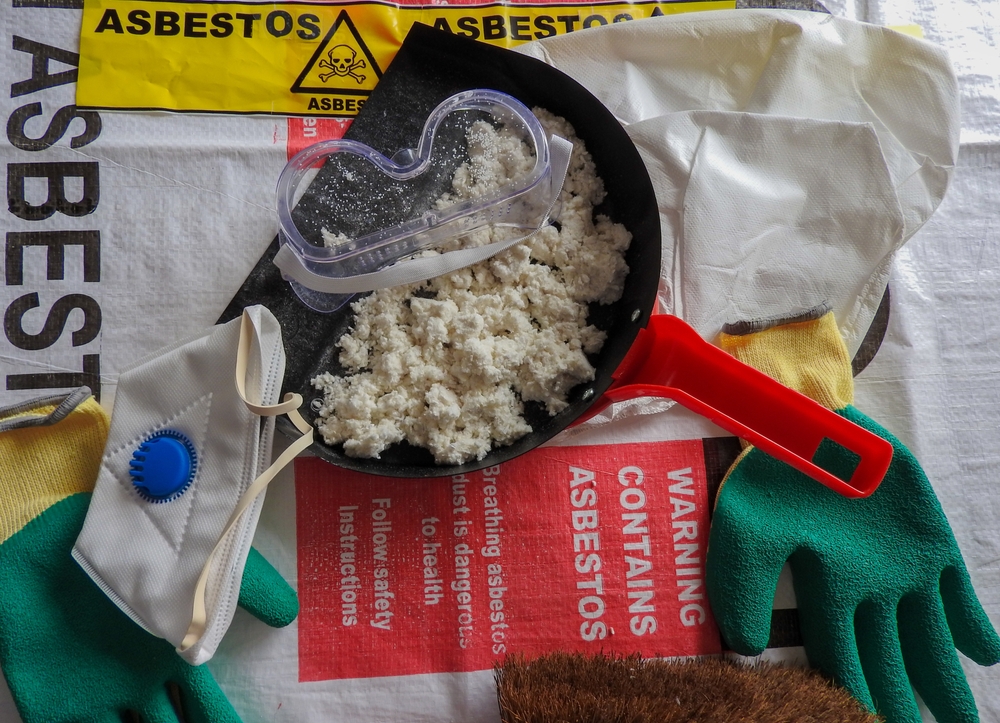
Asbestos and lead paint are additional concerns in older homes and commercial properties in Concord, NC. When materials containing these substances are disturbed by fire and the subsequent cleanup process, particles are released into the air. This creates a serious exposure risk that requires specialized handling by certified professionals trained in hazardous material abatement.
Why Delayed Action Multiplies the Damage
One of the most costly mistakes property owners make after a fire is waiting too long to begin the cleanup and restoration process. Every hour that passes after a fire increases the extent of the damage and the cost of repairs. Soot and smoke residues begin to permanently stain and etch surfaces within hours. Porous materials like wood, drywall, and upholstery absorb smoke odors deeply the longer they remain untreated.
Moisture from firefighting efforts creates mold growth within 24 to 48 hours under the right conditions. In the warm climate of Concord, NC, where humidity levels can rise quickly, mold can establish itself and spread aggressively if water damage is not addressed immediately. Fire damage cleanup that is delayed often results in a much larger and more expensive mold remediation project on top of the original fire and smoke damage.
Insurance claims are also affected by how quickly and thoroughly you respond. Most property insurance policies require timely reporting and reasonable steps to mitigate further damage. Failing to begin fire restoration services in Concord, NC promptly could give an insurer grounds to reduce or dispute your claim. Documenting the damage quickly and engaging certified restoration professionals creates a clear record that supports your claim and demonstrates responsible action.
Choosing the Right Fire Restoration Services in Concord, NC
Not all restoration companies are equipped to handle the full scope of hazards that follow a fire. When selecting a provider for smoke damage restoration in NC, you need to look beyond surface-level cleaning capabilities and ask the right questions about their certifications, equipment, and approach to hidden hazards.
Look for companies certified by the Institute of Inspection Cleaning and Restoration Certification (IICRC), which sets the industry standard for fire, smoke, and water damage restoration. These professionals are trained to address structural integrity, air quality, microbial growth, and hazardous material concerns in addition to the visible cleanup that most people associate with fire damage cleanup in Concord, NC.
A reputable company will conduct a thorough inspection before beginning any work and provide you with a detailed scope of services that addresses both visible and hidden damage. They should use industrial-grade air scrubbers, HEPA vacuums, and chemical treatments specifically designed for soot and smoke residue. They should also coordinate with your insurance adjuster and provide detailed documentation of all damage and remediation work performed.
Transparent communication is also essential. A trustworthy restoration company will walk you through every step of the process, explain the risks they have identified, and give you realistic timelines and cost estimates. You should never feel pressured or kept in the dark during one of the most stressful experiences of your life.
Conclusion
Fire damage in Concord, NC carries risks that extend far beyond what the eye can see. From toxic soot and compromised air quality to structural instability and mold growth, the hidden dangers demand immediate, professional attention. Waiting or cutting corners on post fire damage restoration in NC can turn a recoverable situation into a long-term health and financial crisis. Engaging qualified fire restoration services in Concord, NC as quickly as possible is the single most important decision you can make after a fire. Your safety, your home, and your peace of mind depend on it.
Need Remediation Services in Concord, NC?
Here at Concord Asbestos Abatement and Mitigation LLP, we take pride in providing top-notch remediation services tailored to meet your needs. As a family-owned and -operated business, we understand the importance of keeping your home or business safe and worry-free. Our knowledgeable team is committed to delivering exceptional service, maintaining cost-effective solutions, and ensuring every job site is left in pristine condition. Contact us today to schedule your consultation and experience the Concord difference!
Water damage can strike without warning. A burst pipe, a flash flood, or a washing machine overflow can turn your home upside down in minutes. For homeowners in Concord, NC, the pressure to act fast is real. The longer water sits in your home, the greater the risk of structural damage, ruined belongings, and the one thing nobody wants to deal with: mold. Understanding what steps to take immediately after water damage can mean the difference between a manageable cleanup and a months-long nightmare.
1. Make Sure the Area Is Safe Before You Enter
Before you rush in to start saving furniture or pulling up carpet, you need to confirm the space is safe to enter. Standing water and electricity are a deadly combination. Head to your breaker box and shut off power to any affected areas before stepping foot inside. If you are unsure which circuits cover the flooded zone, turn off the main breaker entirely.
Beyond electrical hazards, water damage in Concord, NC can sometimes involve contaminated water. A sewer backup or flood from outside brings bacteria and other pathogens into your home. If you suspect the water source is anything other than clean supply water, wear rubber gloves, waterproof boots, and a face mask before you assess the damage. Your safety always comes before the cleanup.
Once you have confirmed the space is safe, take photos and videos of everything. Document the extent of the damage thoroughly before moving a single item. This documentation is critical when filing a homeowners insurance claim, and it protects you throughout the entire water damage restoration process.
2. Stop the Source and Remove Standing Water Immediately
Emergency water cleanup begins with one simple but urgent task: stopping the water at its source. If the damage came from a burst pipe, shut off the main water supply to your home right away. If it came from a leaking appliance, disconnect it from the water line. The faster you eliminate the source, the less total water you are dealing with during cleanup.
Once the source is stopped, getting standing water out of the home becomes the top priority. For smaller amounts, mops, towels, and wet vacuums can handle the job. For significant flooding, a submersible pump is far more effective. Many homeowners in Concord, NC rent these from local hardware stores, but if the flooding is extensive, calling a professional water damage restoration company is the smarter move. Professionals have industrial-grade equipment that removes water far more quickly and completely than consumer tools.
Speed matters enormously here. Mold can begin growing in as little as 24 to 48 hours after water exposure. The longer water sits on floors, inside walls, or beneath subfloors, the faster that clock runs. Emergency water cleanup is not something you can put off until the weekend.
3. Dry Out the Space Thoroughly to Prevent Mold Growth
Removing standing water is only the first half of the battle. The second half is drying every affected surface, material, and cavity completely. This is where many homeowners make a critical mistake: they assume that because the visible water is gone, the job is done. In reality, moisture hides in drywall, insulation, hardwood floors, and wood framing long after the surface appears dry.
For effective mold prevention after water damage, you need to create aggressive airflow and reduce humidity throughout the space. Open windows and doors if outdoor humidity levels are low. Run fans pointed directly at wet surfaces. Use dehumidifiers to pull moisture out of the air. In North Carolina, outdoor humidity can be high depending on the season, so running dehumidifiers indoors is often more effective than relying on outside air.
Remove soaked rugs, carpet padding, and any porous materials that cannot be fully dried within 24 to 48 hours. Wet drywall that cannot be dried thoroughly may need to be cut out and replaced to prevent mold from colonizing inside the wall cavity. This is especially true in cases of category 2 or category 3 water damage, where contaminated water has soaked into materials.
Professional water damage repair teams use moisture meters to check the moisture content of wood and drywall, infrared cameras to detect hidden pockets of moisture, and industrial air movers alongside commercial dehumidifiers. This level of precision drying is the most reliable way to prevent mold from taking hold in your Concord, NC home.
4. Protect Your Belongings and Prevent Further Damage
While drying equipment runs, you can take steps to protect your possessions and prevent secondary damage. Move furniture and other belongings out of wet areas as quickly as possible. Elevate items that cannot be moved by placing them on wood blocks or aluminum foil to break contact with wet flooring.
If any part of your roof, windows, or walls was compromised by the event that caused the flooding, cover those openings with tarps or plastic sheeting to prevent additional water intrusion. In Concord, NC, spring and summer storms can bring heavy rain unexpectedly, so temporary weatherproofing is a wise precaution during water damage repair.
Salvage important documents, electronics, and irreplaceable items first. Lay documents flat to dry or place them in a sealed bag in the freezer, which stops further deterioration and allows you to dry them properly later. Hard drives and electronics should be kept dry and assessed by a professional before any attempt is made to power them on.
Keep a detailed inventory of damaged items for your insurance claim. Write down descriptions, estimated values, and photograph everything. Your insurance adjuster will need this information, and the more thorough your records, the smoother the claims process will be.
5. Call a Water Damage Restoration Professional in Concord, NC
DIY cleanup has its limits, and water damage is one situation where professional help pays for itself. A licensed water damage restoration company in Concord, NC brings the equipment, training, and experience to handle everything from emergency water cleanup to mold removal in Concord, NC. They can assess the full extent of the damage, including damage that is invisible to the naked eye, and develop a comprehensive drying and restoration plan.
One of the biggest advantages of calling professionals early is mold prevention. A restoration team can begin industrial drying within hours of arrival, dramatically reducing the risk that mold will establish itself before the drying process is complete. If mold has already started to grow by the time they arrive, they can contain and remediate it safely, preventing spores from spreading to other parts of your home.
When choosing a water damage restoration company, look for IICRC certification, which indicates that technicians have been trained to industry standards. Verify that the company offers 24/7 emergency response, since water damage does not follow business hours. Ask whether they work directly with insurance companies to simplify your claim process.
For residents dealing with water damage in Concord, NC, acting within the first few hours is the most important thing you can do to protect your home and your health.
Conclusion
Water damage is stressful, but fast action makes a significant difference in the outcome. Shut off electricity and the water source, remove standing water, dry the space aggressively, protect your belongings, and bring in a professional water damage restoration team as quickly as possible. Mold prevention after water damage depends entirely on how fast moisture is eliminated from your home. The sooner you act, the better your chances of a full recovery without the added burden of mold removal in Concord, NC.
Need Remediation Services in Concord, NC?
Here at Concord Asbestos Abatement and Mitigation LLP, we take pride in providing top-notch remediation services tailored to meet your needs. As a family-owned and -operated business, we understand the importance of keeping your home or business safe and worry-free. Our knowledgeable team is committed to delivering exceptional service, maintaining cost-effective solutions, and ensuring every job site is left in pristine condition. Contact us today to schedule your consultation and experience the Concord difference!
When a fire breaks out in your home or business, the visible flames often get all the attention. But once the fire is out, many property owners are surprised to discover that the real battle is just beginning. Smoke and soot can spread far beyond the area where the fire actually burned, quietly embedding themselves into walls, ceilings, furniture, and air systems. Without proper fire and smoke damage cleanup services, the damage continues long after the flames are gone.
Understanding why smoke and soot are so destructive, and what a full remediation process looks like, can help you make smarter decisions during one of the most stressful times of your life.
The Hidden Dangers of Smoke and Soot Damage
Most people assume that if a room did not catch fire, it escaped damage. Unfortunately, that is rarely true. Smoke travels through every crack, vent, and opening in a structure, depositing a fine layer of soot and chemical residue almost everywhere it reaches. Soot particles are microscopic, which means they can penetrate deep into porous materials like drywall, wood, insulation, and upholstery. Once embedded, these particles are extremely difficult to remove without professional equipment and training.
Beyond the physical staining and discoloration, soot contains a mixture of carbon, chemicals, and acids that actively corrode surfaces over time. Metal fixtures can begin to rust and pit within days of exposure. Fabrics and textiles can become permanently stained. Electronics exposed to soot particles are at serious risk of short-circuiting or failing entirely. The longer soot sits untreated, the more damage it causes, and the more expensive the restoration becomes. This is why fast, experienced response from a fire and smoke damage cleanup services team is so critical after any fire event, whether large or small.
Why Odor Removal Is More Complex Than It Seems
One of the most persistent and frustrating consequences of fire damage is the smell. Smoke odor does not just linger in the air. It penetrates walls, floors, ceilings, HVAC systems, clothing, and personal belongings. Many property owners try to manage the smell on their own using air fresheners, fans, or cleaning sprays, only to find the odor returns within days. That is because surface-level treatments do nothing to address the smoke particles that have absorbed deep into building materials.
True odor removal and air quality restoration requires a multi-layered approach. Professional remediation teams use a combination of techniques including thermal fogging, ozone treatment, hydroxyl generators, and specialized air scrubbers to neutralize smoke odors at the molecular level. These methods do not simply mask the smell. They break down the odor-causing compounds that have bonded with surfaces throughout the property.
Air quality restoration is also a health issue, not just a comfort issue. Smoke-damaged environments contain particulate matter, volatile organic compounds (VOCs), and other airborne contaminants that pose genuine risks to respiratory health. Children, the elderly, and anyone with asthma or other respiratory conditions are especially vulnerable. A thorough odor removal and air quality restoration process is essential not only for making the space livable again, but for ensuring it is safe.
What a Full Remediation Process Actually Involves
Many property owners do not realize how comprehensive professional fire damage restoration actually is. A full remediation process, which covers both cleanup and repair, goes well beyond wiping down surfaces and airing out rooms. It is a structured, methodical process that addresses every layer of damage from the outermost surfaces down to the structural components of the building.
The process typically begins with a detailed inspection and damage assessment. Technicians identify all affected areas, including those not immediately visible, such as inside wall cavities, attic spaces, and ductwork. From there, the team develops a restoration plan that outlines the specific steps needed to bring the property back to its pre-loss condition.
Cleanup itself involves removing debris, cleaning and treating all smoke and soot-affected surfaces, deodorizing the structure, and cleaning or disposing of damaged contents. After cleanup, the repair phase begins. This can include replacing drywall, repainting, restoring flooring, repairing or replacing cabinetry, and addressing any structural damage caused by the fire or by water used during firefighting efforts. A truly full remediation process means you work with one team from start to finish, rather than coordinating separately between a cleanup crew and a general contractor.
Experience handling large and small projects matters enormously here. A small kitchen fire may look manageable, but soot and smoke can travel throughout an entire home in minutes. A company with experience across a wide range of project sizes will know how to properly scope the work, allocate the right resources, and avoid overlooking damage that less experienced teams might miss.
Why Professional Standards and Compliance Matter
Not all fire damage cleanup is created equal. Safe, thorough, and compliant cleanup practices are not just industry buzzwords. They reflect real differences in outcomes for property owners. Professional remediation companies follow established industry standards, including those set by the Institute of Inspection, Cleaning and Restoration Certification (IICRC), which define best practices for every stage of the restoration process.
Compliance also matters when it comes to insurance claims. Documenting damage thoroughly, following approved remediation protocols, and maintaining clear records of all work performed are essential for ensuring your insurance claim is processed accurately and fairly. A remediation company that cuts corners on documentation or skips steps in the cleanup process can create serious complications down the line, both with insurers and with the long-term condition of your property.
Safe practices also protect the workers performing the cleanup and the occupants who will eventually return to the space. Fire debris can contain asbestos, lead paint, hazardous chemicals, and other dangerous materials, particularly in older buildings. Proper personal protective equipment, containment procedures, and disposal methods are not optional. They are fundamental to a cleanup that is genuinely complete and safe for everyone involved.
Choosing a company with a demonstrated record of experience handling large and small projects, and one that adheres to safe, thorough, and compliant cleanup practices, gives you the best chance of a full recovery with minimal complications.
How to Choose the Right Fire Damage Restoration Company
With so much at stake, selecting the right restoration company is one of the most important decisions you will make after a fire. Start by looking for a company that specializes in fire and smoke damage cleanup services specifically, rather than a general handyman or painting service that offers cleanup as a side offering. Specialization matters because the knowledge, equipment, and techniques required for proper fire remediation are highly specific.
Ask about the company’s certifications, particularly IICRC credentials, and verify that their technicians are trained and up to date. Look for a team with documented experience handling large and small projects, since this reflects genuine versatility and competence. Check reviews and references, and pay close attention to comments about thoroughness, communication, and results.
Also make sure the company offers a truly full remediation process covering both cleanup and repair. Having to manage multiple vendors during an already stressful situation adds unnecessary complexity. A single experienced team that can take your property from initial damage assessment through to final repairs and odor removal and air quality restoration is a far better option for most property owners.
Finally, prioritize companies that emphasize safe, thorough, and compliant cleanup practices. Ask how they handle hazardous materials, how they document their work, and how they coordinate with insurance providers. The right company will answer these questions clearly and confidently.
Conclusion
Smoke and soot damage is far more serious, and far more complex, than most people realize until they are dealing with it firsthand. Professional fire and smoke damage cleanup services exist because the science behind proper remediation is genuinely specialized. From odor removal and air quality restoration to the full remediation process covering cleanup and repair, every step requires training, equipment, and care. Choosing a team with experience handling large and small projects, and a commitment to safe, thorough, and compliant cleanup practices, is the best investment you can make in your property and your peace of mind.
Need Remediation Services in Concord, NC?
Here at Concord Asbestos Abatement and Mitigation LLP, we take pride in providing top-notch remediation services tailored to meet your needs. As a family-owned and -operated business, we understand the importance of keeping your home or business safe and worry-free. Our knowledgeable team is committed to delivering exceptional service, maintaining cost-effective solutions, and ensuring every job site is left in pristine condition. Contact us today to schedule your consultation and experience the Concord difference!
If you own a home or commercial building in Concord, NC, it is important to understand why asbestos may still be present in local structures. Asbestos was widely used throughout the United States for decades because of its durability, fire resistance, and insulating properties. Builders relied on it in roofing materials, insulation, floor tiles, ceiling textures, siding, and even some types of cement products. Although its use has significantly declined due to health concerns, many properties constructed before the 1980s may still contain asbestos-containing materials.
Concord has a mix of historic homes, mid century properties, and newer developments. If your property was built before modern regulations limited asbestos use, there is a reasonable chance that some original materials remain in place. Even if a home has been partially renovated, asbestos can still be hidden behind walls, under flooring, or above ceilings. Because asbestos fibers are microscopic and cannot be seen with the naked eye, the presence of asbestos is not always obvious without professional evaluation.
The health risks associated with asbestos exposure are serious. When disturbed, asbestos fibers can become airborne and inhaled. Long term exposure has been linked to lung cancer, mesothelioma, and asbestosis. For this reason, recognizing the potential signs of asbestos in homes is the first step toward protecting your family, tenants, or employees. Awareness allows property owners to take proactive steps, including scheduling asbestos testing in Concord, NC when needed.
The Age of Your Property and Construction Materials
One of the most reliable indicators that asbestos may be present is the age of the building. Homes and commercial properties constructed before 1980 are more likely to contain asbestos in some form. While not every older property includes asbestos materials, the probability increases significantly with age.
Common materials that may contain asbestos include popcorn ceilings, vinyl floor tiles, pipe insulation, furnace insulation, roofing shingles, and exterior siding. In older homes in Concord, textured ceiling coatings applied between the 1950s and 1970s often contained asbestos for added fire resistance and durability. Similarly, nine inch floor tiles from mid century construction frequently included asbestos fibers.
Pipe wrap insulation in basements or crawl spaces is another area of concern. If you notice white, gray, or chalky insulation around pipes, particularly in an older home, it should not be disturbed. Crumbling insulation is especially risky because it may release fibers into the air.
It is important to understand that visual inspection alone cannot confirm the presence of asbestos. Materials that look similar may or may not contain it. That is why property owners who suspect asbestos based on the age of their building should consider arranging an asbestos inspection in Concord, NC. A professional inspection involves careful sampling and laboratory analysis to determine whether asbestos is present.
Visible Deterioration and Damage to Suspect Materials
Another key factor to consider is the condition of materials that may contain asbestos. Asbestos becomes most dangerous when it is damaged, deteriorating, or disturbed during renovations. Cracks in ceiling texture, broken floor tiles, or crumbling insulation can all increase the risk of fiber release.
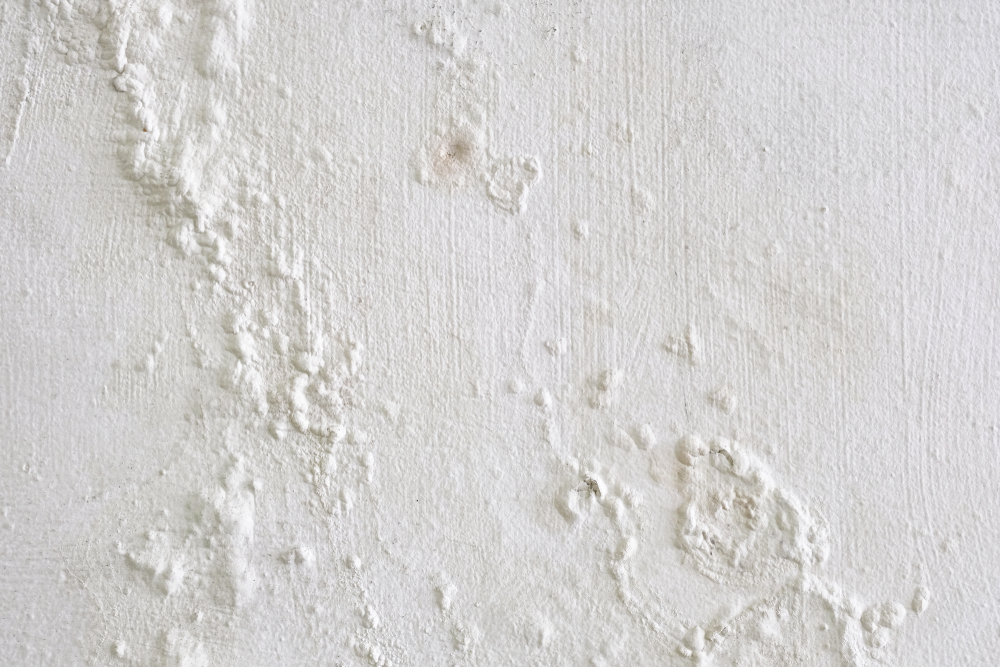
Water damage is a common trigger for deterioration. Leaks from roofs, plumbing, or HVAC systems can weaken materials and cause them to break down over time. In Concord, seasonal storms and humidity can contribute to moisture issues in older homes. If you notice sagging ceilings, peeling insulation, or soft spots in walls, these areas should be evaluated carefully.
Renovation projects are another situation where asbestos risk increases. Drilling into walls, sanding floors, removing old tile, or scraping textured ceilings can release fibers if the material contains asbestos. Many property owners first discover potential issues when planning remodeling work. If your home improvement plans involve disturbing older building materials, it is wise to pause and schedule asbestos testing in Concord, NC before proceeding.
It is also important not to attempt to collect samples yourself. Improper handling can release fibers into your living space. Certified professionals use protective equipment and controlled methods to safely obtain samples for laboratory analysis. This approach reduces the risk of exposure while providing accurate results.
Health Symptoms and Environmental Clues
While asbestos related illnesses often develop after long term exposure, certain environmental clues may signal a problem. If your property has undergone recent demolition, remodeling, or storm damage and dust levels seem unusually high, this may warrant further investigation. Fine dust accumulating near renovation areas in older buildings could contain various hazardous particles, including asbestos if suspect materials were disturbed.
It is important to note that asbestos fibers are not visible to the naked eye, and there is no distinctive smell. Therefore, you cannot rely on your senses alone to detect it. Instead, the focus should remain on risk factors such as building age, material type, and recent disturbances.
In some cases, property owners become concerned after learning that neighboring homes built around the same time tested positive for asbestos. Because builders often used similar materials in entire developments, this information can serve as a valuable clue. If nearby properties in Concord have required remediation, it may be prudent to consider an asbestos inspection in Concord, NC for your own property.
Health symptoms related to asbestos exposure typically do not appear immediately. Conditions such as mesothelioma or asbestosis can take decades to develop. However, if you or others in your household have a history of working around construction materials or performing extensive renovations in an older home, discussing potential exposure with a medical professional may provide peace of mind.
Professional Inspection and Testing as the Only Reliable Confirmation
Ultimately, the only way to confirm whether your Concord property contains asbestos is through professional evaluation and laboratory testing. Visual assessments, online guides, and neighbor reports can suggest the possibility, but they cannot provide certainty.
A certified inspector will conduct a thorough assessment of the property, identifying materials that are likely to contain asbestos. Small samples are carefully collected and sent to an accredited laboratory for analysis. The results will indicate whether asbestos fibers are present and, if so, in what concentration.
Choosing qualified professionals for asbestos testing in Concord, NC ensures that the process follows state and federal regulations. Proper documentation is especially important if you plan to sell your property, complete renovations, or manage a commercial building. Buyers and tenants may request confirmation that the property has been evaluated for hazardous materials.
If asbestos is found, professionals can recommend the most appropriate course of action. In some cases, materials that are intact and undisturbed can be left in place and monitored. In other situations, encapsulation or removal may be necessary. Each scenario depends on the condition of the material, its location, and the intended use of the space.
Taking action early can prevent costly complications later. By addressing potential concerns before beginning renovations or listing a property for sale, you reduce liability and protect occupants from unnecessary exposure.
Conclusion
Determining whether your Concord, NC property may contain asbestos requires careful consideration of several factors. The age of the building, the presence of specific construction materials, visible deterioration, and recent renovations all play a role in assessing risk. While these indicators can raise suspicion, they cannot provide definitive answers.
Because asbestos fibers are invisible and hazardous when disturbed, professional evaluation is the safest and most reliable path forward. Scheduling an asbestos inspection in Concord, NC allows trained experts to identify and test suspect materials properly. Laboratory analysis provides clear results, giving you the information needed to make informed decisions about your property.
Whether you are planning a renovation, purchasing an older home, or simply seeking peace of mind, asbestos testing in Concord, NC is a proactive step toward ensuring a safe indoor environment. Recognizing the signs of asbestos in homes and responding promptly can protect your health, preserve your property value, and provide confidence that your space is secure for years to come.
Need Remediation Services in Concord, NC?
Here at Concord Asbestos Abatement and Mitigation LLP, we take pride in providing top-notch remediation services tailored to meet your needs. As a family-owned and -operated business, we understand the importance of keeping your home or business safe and worry-free. Our knowledgeable team is committed to delivering exceptional service, maintaining cost-effective solutions, and ensuring every job site is left in pristine condition. Contact us today to schedule your consultation and experience the Concord difference!