Older homes and commercial buildings in Concord carry a certain charm. From historic mill houses to mid century ranch style properties, these structures tell the story of the city growth and character. However, behind the walls, under flooring, and above ceilings, there may be hidden environmental hazards that were once common in construction. Two of the most concerning are asbestos and mold.
Property owners often focus on one issue while overlooking the other. The truth is that both can exist in the same building, especially in structures built before the 1980s. Understanding the differences between asbestos and mold, how they develop, and why asbestos and mold testing in Concord, NC is essential can help protect your health, your investment, and your peace of mind.
Asbestos in Older Concord Buildings
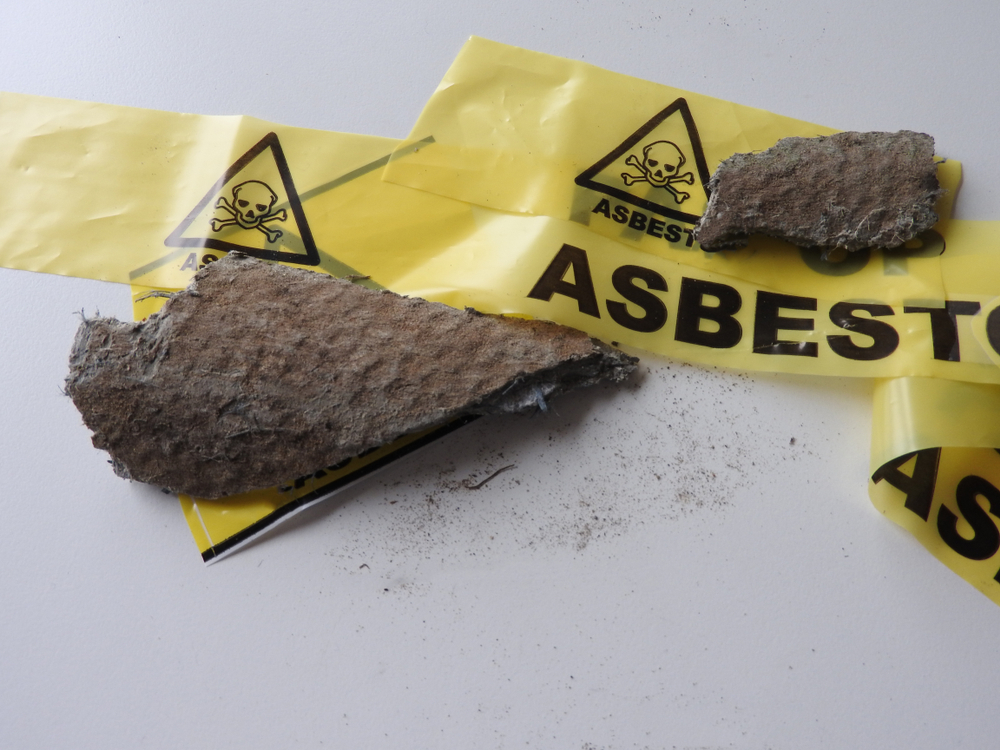
Asbestos is a naturally occurring mineral that was widely used in building materials throughout much of the twentieth century. It was valued for its durability, heat resistance, and insulating properties. In older Concord properties, asbestos can still be found in floor tiles, pipe insulation, popcorn ceilings, roofing materials, cement siding, and textured wall coatings.
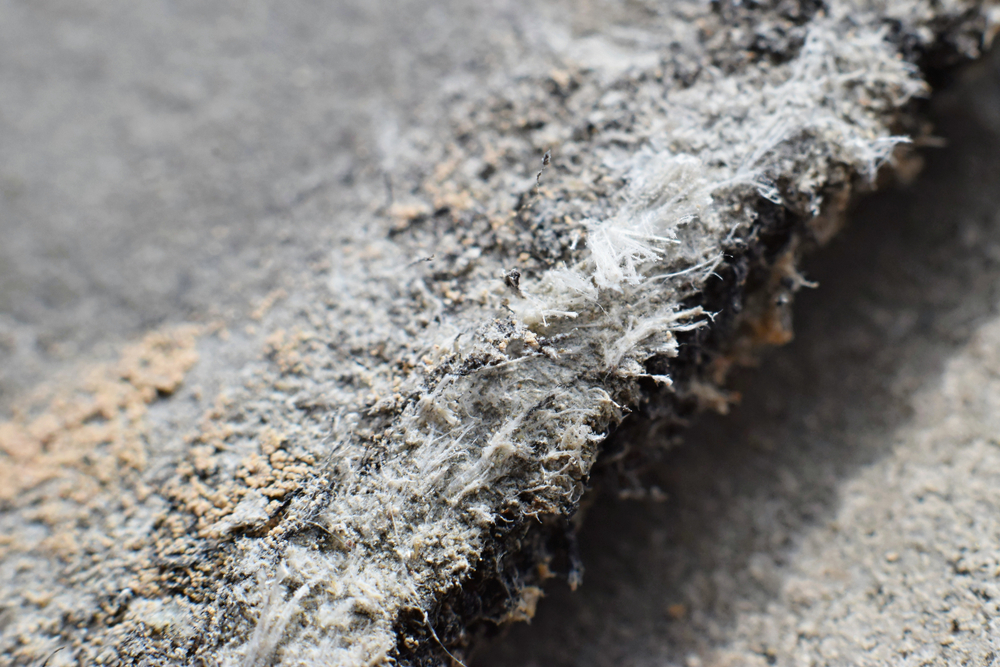
When asbestos containing materials are intact and undisturbed, they may not pose an immediate risk. The danger arises when these materials are damaged, drilled, sanded, or demolished. Disturbance releases microscopic fibers into the air. Once inhaled, these fibers can lodge in the lungs and remain there for decades. Long term exposure has been linked to serious illnesses, including asbestosis, lung cancer, and mesothelioma.
Many property owners assume that if their building looks clean and well maintained, it is safe. Unfortunately, asbestos cannot be identified by sight alone. Only laboratory analysis of samples collected by trained professionals can confirm its presence. This is why professional asbestos and mold testing in Concord, NC is so important before renovations, remodeling, or property transactions.
The Hidden Threat of Mold Growth
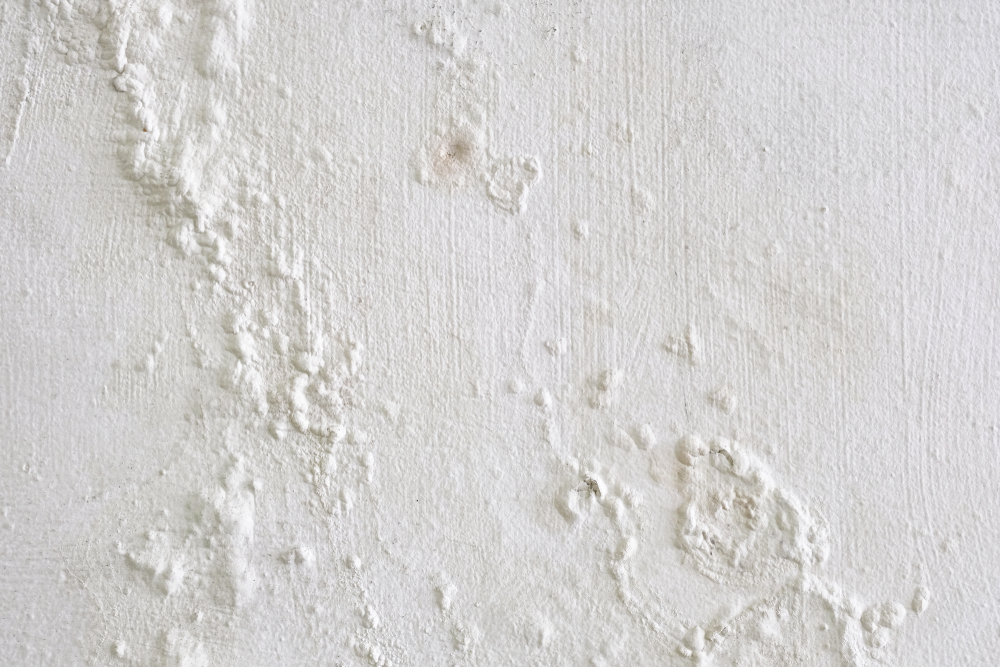
Unlike asbestos, mold is a living organism. It thrives in damp, humid environments and can begin growing within 24 to 48 hours after water intrusion. In Concord, where humidity levels can be high for much of the year, mold growth is a common concern in basements, crawl spaces, attics, and behind walls affected by leaks.
Mold spreads by releasing spores into the air. These spores can trigger allergic reactions, respiratory issues, headaches, skin irritation, and in some cases more severe health complications. Individuals with asthma, weakened immune systems, or chronic lung conditions are particularly vulnerable.
One of the most challenging aspects of mold is that it is often hidden. It can grow behind drywall, under carpets, inside HVAC systems, and beneath flooring. By the time visible staining appears or a musty odor is noticed, the contamination may already be extensive. Professional mold removal in Concord, NC begins with accurate testing to identify the type of mold, the extent of contamination, and the source of moisture that allowed it to grow.
While mold can develop in any building regardless of age, older properties are especially susceptible due to aging plumbing, outdated ventilation systems, and foundation issues that allow moisture intrusion.
Key Differences Between Asbestos and Mold
Although asbestos and mold are often discussed together, they differ significantly in origin, behavior, and remediation approach. Asbestos is a mineral fiber embedded in building materials. Mold is a biological growth that spreads when moisture is present. Asbestos remains dormant unless disturbed, while mold actively grows and expands as long as conditions are favorable.
Health risks also vary. Asbestos related diseases typically develop after prolonged exposure and may take decades to appear. Mold related symptoms can occur quickly, particularly in sensitive individuals. However, both can compromise indoor air quality and both require professional handling.
Testing methods differ as well. Asbestos testing involves collecting physical samples of suspect materials and sending them to a certified laboratory. Mold testing may include air sampling, surface sampling, and moisture assessments. A comprehensive inspection often evaluates both hazards simultaneously, especially in buildings that have experienced water damage and are undergoing renovation.
When professionals perform asbestos and mold testing in Concord, NC, they follow strict protocols to prevent cross contamination and to ensure accurate results. This combined approach provides property owners with a complete understanding of potential environmental risks.
Why Testing for Both Is Critical Before Renovation or Sale
Renovating an older Concord property can increase its value and functionality, but disturbing walls, ceilings, or flooring without proper testing can release hazardous materials into the air. Many remodeling projects uncover hidden asbestos in insulation, tiles, or joint compound. At the same time, opening walls may reveal mold colonies that formed due to long term leaks.
Testing for both hazards before starting work helps prevent costly surprises, project delays, and health risks. It also ensures compliance with local, state, and federal regulations regarding asbestos handling and disposal. Failure to properly identify and manage asbestos can result in fines and legal liability.
For property sellers, documented asbestos and mold testing in Concord, NC can provide reassurance to potential buyers. Transparency about environmental conditions builds trust and may streamline the closing process. Buyers are increasingly aware of indoor air quality issues and often request environmental inspections as part of due diligence.
Landlords and commercial property owners have additional responsibilities. Providing a safe indoor environment for tenants and employees is not only ethical but often legally required. Addressing both asbestos and mold proactively reduces the likelihood of complaints, health claims, and long term structural damage.
The Importance of Professional Asbestos and Mold Remediation
If testing confirms the presence of asbestos or mold, the next step is safe and thorough remediation. Asbestos and mold remediation require specialized training, equipment, and containment procedures. Attempting to handle either hazard without professional expertise can worsen contamination and increase exposure.
During asbestos remediation, contractors seal off the affected area, use negative air pressure systems, and wear protective gear to prevent fiber release. Materials containing asbestos are carefully removed, sealed in approved containers, and disposed of according to regulatory guidelines.
Mold removal in Concord, NC involves isolating contaminated areas, removing affected materials when necessary, cleaning surfaces with appropriate antimicrobial solutions, and addressing the underlying moisture source. Without correcting leaks, humidity issues, or drainage problems, mold is likely to return.
In some cases, both hazards may need to be addressed during the same project. For example, water damage in an older building may lead to mold growth while also disturbing asbestos containing materials. Coordinating asbestos and mold remediation ensures that both issues are resolved safely and efficiently.
Professional remediation also includes post remediation verification. This step confirms that asbestos fibers or mold spore levels have been reduced to safe levels before occupants return. Independent clearance testing provides peace of mind and documented proof of successful cleanup.
Conclusion
Older Concord properties offer character, history, and investment potential, but they can also conceal environmental hazards that threaten health and property value. Asbestos and mold present different risks, yet they often coexist in aging buildings. Ignoring one while focusing on the other leaves gaps in protection.
Comprehensive asbestos and mold testing in Concord, NC provides clarity before renovations, real estate transactions, or occupancy changes. Early identification allows for proper planning, regulatory compliance, and safe project execution. When hazards are found, professional asbestos and mold remediation and expert mold removal in Concord, NC restore indoor environments to safer conditions.
Testing for both asbestos and mold is not just a precaution. It is a proactive step toward safeguarding occupants, preserving property integrity, and ensuring that the charm of older Concord buildings does not come at the cost of health and safety.
Need Remediation Services in Concord, NC?
Here at Concord Asbestos Abatement and Mitigation LLP, we take pride in providing top-notch remediation services tailored to meet your needs. As a family-owned and -operated business, we understand the importance of keeping your home or business safe and worry-free. Our knowledgeable team is committed to delivering exceptional service, maintaining cost-effective solutions, and ensuring every job site is left in pristine condition. Contact us today to schedule your consultation and experience the Concord difference!
Concord, NC is a city rich in history, and many of its neighborhoods feature charming older homes built before the 1980s. While these properties offer character and architectural appeal, they may also harbor hidden health hazards such as asbestos. During the mid-20th century, asbestos was widely used in construction materials due to its fire-resistant and insulating properties. Unfortunately, it is now known that exposure to asbestos fibers can lead to serious respiratory illnesses, including mesothelioma and asbestosis.
For homeowners, buyers, or renovators of older properties in Concord, understanding the risks related to asbestos is essential. Identifying its presence early and taking appropriate steps to address it can help protect your health and the value of your property.
How to Identify Asbestos in Your Concord Home
Recognizing asbestos-containing materials is not always straightforward. Asbestos was commonly used in a range of construction products, such as insulation, floor tiles, ceiling panels, cement siding, pipe insulation, and roofing materials. The challenge is that these materials often look like any other part of the home’s structure, making it difficult to detect asbestos through visual inspection alone.
If your home was built prior to 1980, there is a strong possibility it contains some form of asbestos. In particular, older homes in Concord may feature popcorn ceilings, vinyl sheet flooring, or insulation around heating systems that incorporate asbestos. While some homeowners try to determine how to identify asbestos themselves, this can be dangerous and ineffective without specialized equipment and training.
Instead, it is best to arrange for a professional asbestos inspection. In Concord, NC, licensed inspectors are trained to take samples safely and send them to certified laboratories for analysis. Only through this method can you confirm the presence of asbestos and determine the level of risk.
The Dangers of Disturbing Asbestos During Renovations
One of the most common ways asbestos becomes a threat is during remodeling or repairs. Disturbing asbestos-containing materials releases tiny fibers into the air, which can be inhaled and cause long-term health issues. This is particularly relevant in neighborhoods throughout Concord where older homes are being updated or modernized.
Home improvement projects that involve tearing out flooring, demolishing walls, replacing old ceilings, or updating plumbing can inadvertently expose residents and workers to asbestos. Even minor repairs like drilling or sanding may release harmful particles into the air.
Homeowners should never attempt to remove or tamper with materials suspected of containing asbestos. The risks associated with airborne fibers make this a job strictly for professionals. In Concord, hiring certified asbestos abatement services ensures proper containment, removal, and disposal according to state and federal safety regulations.
Asbestos Inspection and Testing Services in Concord, NC
If you suspect your older home may have asbestos, the first step is to hire a licensed inspector. Asbestos inspection in Concord, NC involves a detailed survey of your property, including the attic, crawlspaces, basements, and other areas where asbestos is commonly found. The inspector will collect samples from suspicious materials and have them tested in a laboratory.
The results of these tests will inform you whether asbestos is present, and if so, in what quantities and condition. Not all asbestos needs to be removed immediately. In some cases, if the material is intact and undisturbed, it may be safer to leave it in place under careful monitoring. However, if the materials are deteriorating or pose a risk of being disturbed, removal is typically recommended.
A thorough inspection report will outline the location and condition of all asbestos-containing materials and advise you on the next steps. This information is also valuable during real estate transactions, giving potential buyers peace of mind or helping sellers address concerns before listing the property.
Safe and Effective Asbestos Removal in Concord, NC
When asbestos removal becomes necessary, homeowners should work only with certified asbestos abatement services. In Concord, NC, these services follow strict guidelines to protect the health of residents, workers, and the environment. The process typically includes sealing off the affected area, using specialized filtration systems to prevent the spread of fibers, and removing materials according to EPA and OSHA standards.
After removal, the area is thoroughly cleaned and tested again to ensure all traces of asbestos have been eliminated. Professionals also handle the proper disposal of hazardous materials, which must be transported to approved waste facilities.
The cost of asbestos removal depends on several factors, including the amount of material to be removed, its location in the home, and the level of contamination. While it can be a significant investment, the long-term health benefits and legal compliance make it a worthwhile expense for homeowners in Concord.
Hiring experienced asbestos abatement services ensures not only a safer living environment but also increases the marketability and value of your home. Whether you are staying in your home long-term or preparing it for sale, proper asbestos management is a responsible decision.
Conclusion
Older homes in Concord, NC offer timeless beauty and charm, but they may also contain hazardous materials like asbestos. Learning how to identify asbestos is the first step toward safeguarding your health and property. Visual clues can only go so far, and a professional asbestos inspection is the most reliable way to determine whether your home poses any risks.
If asbestos is found, attempting to remove or repair it without professional help is not only unsafe but potentially illegal. Hiring trained experts in asbestos removal and asbestos abatement services in Concord, NC ensures the job is done thoroughly and safely. These services are essential for anyone living in or purchasing an older home in the area.
Taking proactive steps today can prevent serious health issues tomorrow. Whether you are renovating a vintage property, buying your first home, or simply want peace of mind, addressing asbestos concerns responsibly should be a top priority. Investing in professional inspection and removal not only protects your household but also preserves the integrity and value of your home for years to come.
Need Remediation Services in Concord, NC?
Here at Concord Asbestos Abatement and Mitigation LLP, we take pride in providing top-notch remediation services tailored to meet your needs. As a family-owned and -operated business, we understand the importance of keeping your home or business safe and worry-free. Our knowledgeable team is committed to delivering exceptional service, maintaining cost-effective solutions, and ensuring every job site is left in pristine condition. Contact us today to schedule your consultation and experience the Concord difference!
Asbestos is a naturally occurring mineral that was once widely used in construction due to its resistance to fire, durability, and insulating properties. However, it was later discovered that asbestos exposure can cause serious health problems such as mesothelioma, asbestosis, and lung cancer. In Concord, NC, the importance of asbestos removal is more relevant than ever, especially for homeowners living in properties built before the 1980s. Ensuring proper asbestos removal is not just a matter of health and safety but also a legal obligation for property owners.
The Risks of Asbestos in Concord, NC Homes
Many homes in Concord, NC, particularly those built before modern building codes took effect, may still contain asbestos in roofing materials, insulation, floor tiles, ceiling panels, and even exterior siding. While asbestos-containing materials are generally considered safe if left undisturbed, any renovation, demolition, or accidental damage can release harmful fibers into the air.
When inhaled, asbestos fibers can become lodged in the lungs and remain there for years. This prolonged exposure can lead to the development of serious respiratory illnesses. This is why both residential and commercial property owners must take asbestos concerns seriously. Proper testing and identification are critical before any major renovation project begins. Engaging a professional to conduct an inspection can determine the presence of asbestos and provide guidance on whether removal is necessary.
Licensed Asbestos Abatement in Concord: Why Certification Matters
When it comes to asbestos removal, hiring a licensed asbestos abatement contractor in Concord is not only strongly recommended but often legally required. The state of North Carolina enforces strict asbestos safety guidelines, and only professionals who have completed state-approved training and certification can handle the abatement process legally.
Licensed contractors have the necessary equipment, protective gear, and specialized knowledge to safely remove or encapsulate asbestos-containing materials. They follow rigorous containment procedures to prevent the spread of airborne fibers and ensure that all waste is disposed of at approved facilities. These steps are crucial in protecting not only the workers on-site but also the residents and the surrounding community.
In Concord, hiring a certified abatement team means you are complying with local and state regulations. It also minimizes liability in case of future property sales or legal claims. Attempting to perform asbestos removal without proper licensing can result in fines, health risks, and potential legal action. For homeowners, the peace of mind that comes with hiring a qualified professional is well worth the investment.
Residential Asbestos Abatement: What Homeowners Should Expect
Residential asbestos abatement in Concord typically begins with a comprehensive assessment. This involves collecting samples of suspected materials and sending them to a certified laboratory for analysis. Once asbestos is confirmed, the removal process is carefully planned to limit exposure and disruption.
During abatement, areas of the home may be sealed off using plastic sheeting and negative air pressure machines. This prevents fibers from spreading to other parts of the house. Workers wear protective suits and respirators and use specialized tools to remove or encapsulate asbestos-containing materials. In some cases, encapsulation may be recommended if removal poses too high a risk or if the asbestos is in a location that will remain undisturbed.
After removal, the area is thoroughly cleaned using HEPA vacuums and wet wiping methods. Air quality testing may also be conducted to ensure the space is safe to reoccupy. Homeowners should also receive documentation confirming that the removal was performed in compliance with North Carolina regulations. Keeping this record is important for insurance, resale, or future inspections.
Commercial Asbestos Removal in Concord: Navigating Larger Projects
For business owners and property managers in Concord, commercial asbestos removal presents unique challenges. Buildings such as schools, factories, offices, and retail centers often contain more extensive asbestos materials than homes, which can increase both the complexity and cost of removal.
Commercial properties must adhere to Occupational Safety and Health Administration (OSHA) standards, Environmental Protection Agency (EPA) guidelines, and North Carolina asbestos safety regulations. These rules cover everything from worker protection to waste disposal. Violations can result in costly penalties and damage to a company’s reputation.
Because of the scale of commercial projects, planning and coordination are essential. Business operations may need to be suspended or relocated during the abatement process. Clear communication with tenants, employees, and contractors is necessary to ensure a safe and smooth workflow. Many licensed abatement companies in Concord offer detailed project management services, including risk assessments, regulatory compliance support, and post-removal verification.
Working with an experienced commercial asbestos removal provider helps businesses meet compliance requirements and avoid operational disruptions. It also demonstrates a commitment to safety and responsibility, which can be vital in maintaining stakeholder trust and public credibility.
Complying with Asbestos Safety Guidelines in NC
The North Carolina Department of Health and Human Services (NCDHHS), along with the Division of Public Health, oversees asbestos-related activities across the state. Their asbestos safety guidelines apply to all types of buildings and provide direction for safe handling, removal, and disposal.
These guidelines include rules for notification, air monitoring, waste transportation, and worker training. For example, property owners must notify the state at least ten working days before beginning any regulated asbestos removal. Even small projects must comply with notification and recordkeeping standards if they involve friable (easily crumbled) asbestos.
Homeowners performing their own renovations should also be cautious. While non-commercial projects may not require the same level of oversight, the health risks remain. It is strongly recommended that anyone considering disturbing potential asbestos materials consult with a professional first. Testing and initial consultation are often affordable and can prevent costly mistakes.
Failure to comply with state safety rules can result in legal consequences and health hazards for occupants. By adhering to asbestos safety guidelines in NC, property owners not only protect their families or employees but also fulfill an essential civic responsibility.
Conclusion
Asbestos removal is a critical issue for homeowners and businesses in Concord, NC. Whether you are planning a home renovation or managing a commercial building, understanding the risks and legal requirements associated with asbestos is essential. Residential asbestos abatement must be handled carefully to prevent exposure and ensure compliance with state laws. Commercial asbestos removal, though more complex, is just as vital in protecting workers and maintaining public health standards.
Hiring a licensed asbestos abatement contractor in Concord ensures that your project meets all regulatory requirements and is conducted safely. Following North Carolina’s asbestos safety guidelines not only reduces liability but also fosters a healthier environment for everyone involved.
The importance of safe, compliant asbestos removal cannot be overstated. By acting responsibly and seeking professional help, you protect your investment, your health, and your community.
Need Remediation Services in Concord, NC?
Here at Concord Asbestos Abatement and Mitigation LLP, we take pride in providing top-notch remediation services tailored to meet your needs. As a family-owned and -operated business, we understand the importance of keeping your home or business safe and worry-free. Our knowledgeable team is committed to delivering exceptional service, maintaining cost-effective solutions, and ensuring every job site is left in pristine condition. Contact us today to schedule your consultation and experience the Concord difference!
Property damage caused by water is one of the most devastating challenges a homeowner or business in Concord, NC, can face. Whether it’s due to a storm, burst pipe, overflowing appliance, or unexpected flood, the destruction water leaves behind can be both immediate and long-lasting. One of the most crucial steps in the recovery process is water mitigation. Understanding what is water mitigation and how it helps protect property, health, and financial stability is essential for anyone navigating a water damage emergency.
What Is Water Mitigation?
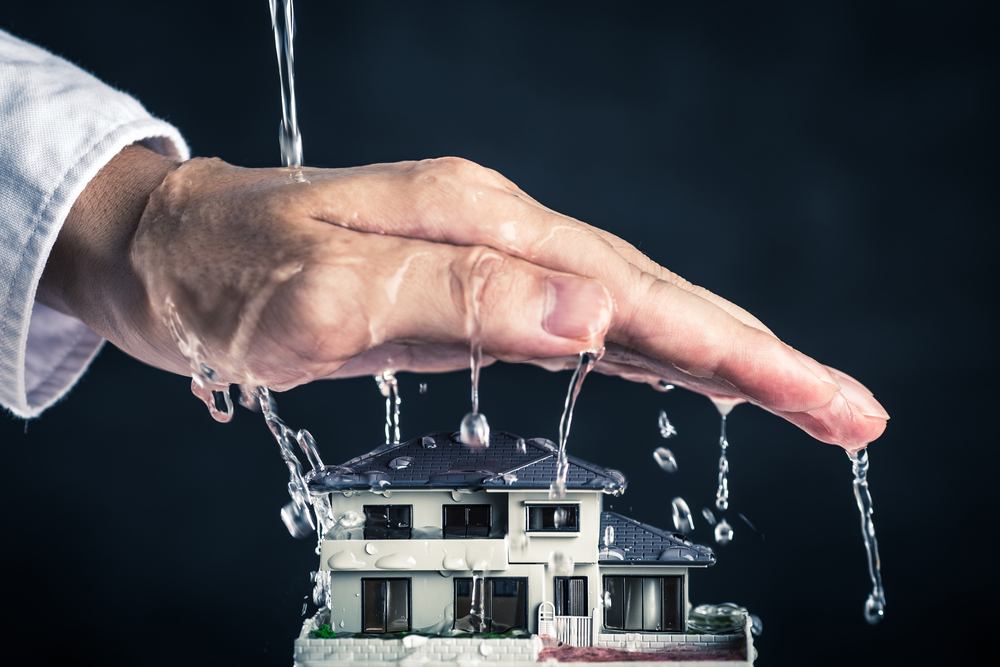
Water mitigation is the process of reducing and preventing the amount of water damage that occurs after a flood, leak, or any other type of water intrusion. Unlike water restoration, which focuses on repairing and restoring the damaged property, mitigation is the immediate action taken to prevent further damage. This includes removing standing water, drying affected areas, sanitizing contaminated surfaces, and stabilizing the environment to prevent mold growth and structural deterioration.
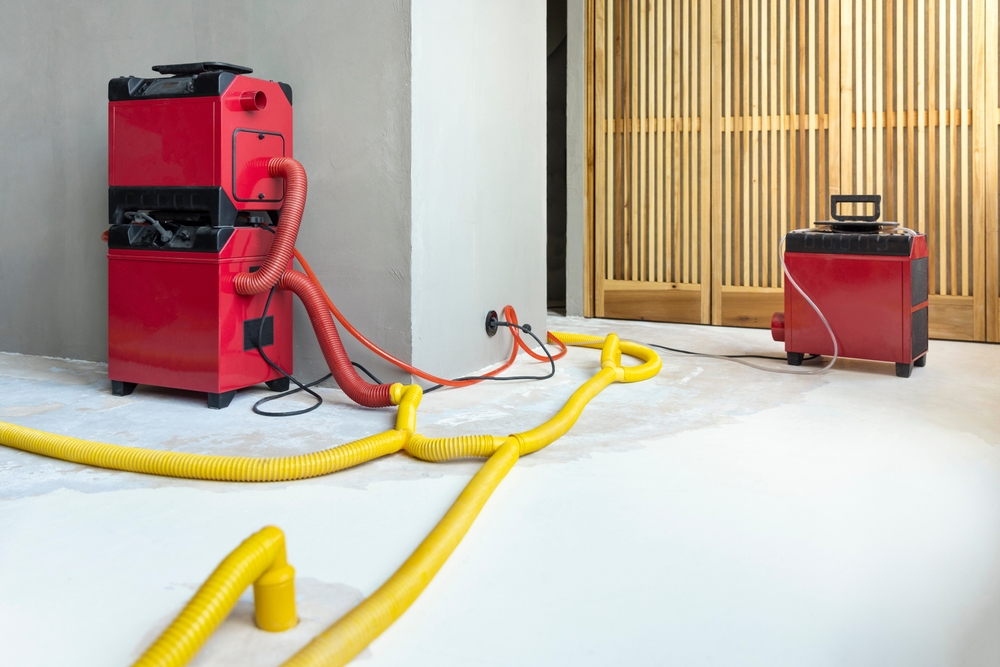
In Concord, NC, water mitigation efforts are often time-sensitive due to the region’s humidity levels, which can accelerate mold development. Professional mitigation teams use specialized equipment such as industrial-grade dehumidifiers, air movers, moisture meters, and thermal imaging cameras to detect hidden water and ensure all affected areas are thoroughly dried. Acting quickly within the first 24 to 48 hours can make the difference between minor repairs and major reconstruction efforts.
Why Water Mitigation Is Crucial After Property Damage
Failing to address water intrusion promptly can lead to a range of costly and dangerous problems. One of the most significant threats is mold growth. Mold can begin to develop in as little as 24 hours after water exposure, and once it takes hold, it spreads rapidly, contaminating surfaces and air quality. This poses serious health risks, particularly for individuals with allergies, asthma, or compromised immune systems.
Additionally, water can weaken the structural integrity of a building. Drywall, insulation, wood, and other materials absorb water, leading to warping, swelling, and decay. Over time, this can undermine floors, ceilings, and even foundations. Electrical systems are also at risk, and short circuits or corrosion can result from prolonged exposure to moisture.
Another reason water mitigation is so critical in Concord, NC, is the potential presence of hazardous materials like asbestos in older buildings. When water infiltrates a structure, it can disturb asbestos-containing materials, making it necessary to approach the cleanup with specialized care. In these situations, engaging professionals experienced in both asbestos and water mitigation is vital to ensure safe handling and proper containment of airborne fibers.
Choosing the Right Water Damage Mitigation Contractor
When searching for reliable help during a water damage crisis, many property owners turn to the internet to find “water mitigation services near me.” However, not all contractors are created equal. Choosing a reputable and certified water damage mitigation contractor in Concord, NC, is crucial to ensure that mitigation is performed thoroughly, safely, and in compliance with local codes and regulations.
A qualified contractor should be licensed and insured, with a proven track record in handling different types of water damage, including flood recovery, sewage backups, and appliance leaks. They should also be equipped to handle emergency calls 24/7, as timing is critical in the mitigation process. Look for teams who offer transparent estimates, explain their methods, and communicate clearly about timelines and potential risks.
Experience with Concord-specific challenges is another valuable asset. Contractors familiar with the area understand how seasonal weather patterns, older building materials, and local ordinances impact water mitigation efforts. This local expertise can lead to quicker response times and more effective long-term outcomes.
Navigating Concord, Asbestos and Water Mitigation Challenges
In Concord, many homes and commercial properties were built before the late 1980s, meaning they may contain asbestos in materials such as flooring, insulation, roofing, and wall panels. When water damage occurs, these materials can deteriorate or be disturbed, releasing dangerous asbestos fibers into the air. Asbestos exposure is linked to serious health conditions such as mesothelioma and asbestosis, making it a critical factor to consider in any water mitigation project.
Professionals who offer asbestos and water mitigation in Concord are trained to identify potential asbestos-containing materials and follow strict safety protocols to avoid cross-contamination. This may involve air quality testing, containment zones, and coordination with asbestos abatement specialists. Homeowners and property managers should never attempt to handle suspected asbestos themselves, as improper disturbance can increase exposure risks.
Water mitigation contractors who are also trained in asbestos-safe practices provide peace of mind during what can be a highly stressful time. They ensure that cleanup is conducted with minimal health risks and that the property is returned to a safe and habitable condition.
Why Timely Response Is Key to Effective Mitigation
Time is of the essence when dealing with water damage. The longer water is allowed to sit, the more extensive and expensive the damage becomes. In addition to mold growth and structural compromise, prolonged exposure can result in secondary damages that are often not covered by insurance if they are deemed to have been preventable.
For homeowners in Concord, NC, rapid action starts with identifying the source of the water and stopping it if possible. After that, contacting a trusted water damage mitigation contractor should be the next step. These professionals will assess the extent of the damage, develop a tailored plan, and begin extracting water and drying affected areas immediately.
Because Concord experiences a mix of weather conditions, including heavy rainfall and occasional flooding, the risk of water damage is a year-round concern. Property owners should be proactive by knowing which local services are available and keeping emergency contact information handy. In some cases, regular maintenance such as gutter cleaning, sump pump testing, and plumbing inspections can also reduce the risk of future incidents.
Conclusion
Water mitigation is more than just cleanup; it is a critical defense against the escalating effects of water damage in homes and businesses throughout Concord, NC. Understanding what is water mitigation helps clarify why immediate professional intervention is essential. From preventing mold to preserving structural integrity and ensuring safety in buildings with potential asbestos, water mitigation services play a central role in post-damage recovery.
When emergencies strike, searching for “water mitigation services near me” is a good starting point, but choosing a skilled and experienced contractor is what truly makes the difference. Especially in areas like Concord, where environmental and historical factors influence the response strategy, having the right help can mean the difference between temporary inconvenience and long-term disaster.
Investing in timely and expert mitigation not only saves money in the long run but also restores peace of mind, knowing your property is safe, clean, and protected from further harm. Whether you are dealing with a burst pipe, flooding, or potential asbestos exposure, taking prompt action ensures your property’s recovery begins the right way.
Need Remediation Services in Concord, NC?
Here at Concord Asbestos Abatement and Mitigation LLP, we take pride in providing top-notch remediation services tailored to meet your needs. As a family-owned and -operated business, we understand the importance of keeping your home or business safe and worry-free. Our knowledgeable team is committed to delivering exceptional service, maintaining cost-effective solutions, and ensuring every job site is left in pristine condition. Contact us today to schedule your consultation and experience the Concord difference!
When your home or business experiences significant water intrusion, it’s easy to feel overwhelmed and unsure of what to do next. Should you call for water mitigation or jump straight into water damage restoration? The answer depends on your situation, but understanding the distinction between these two services is critical for effective water damage repair. Especially in regions like Concord, NC, where seasonal storms and plumbing issues can lead to frequent water problems, knowing the difference between mitigation and restoration can save time, reduce costs, and prevent further damage.
Water Mitigation: Prevention First
Water mitigation is the initial response to water damage and is focused on preventing further loss. This process begins immediately after water intrudes into a space and is designed to stop the damage from spreading. A professional water mitigation contractor works quickly to assess the situation, extract standing water, and stabilize the environment to halt any ongoing harm.
Mitigation includes actions like shutting off the water source, removing saturated materials, setting up drying equipment, and applying antimicrobial treatments to prevent mold growth. Unlike restoration, mitigation is not about repairing or replacing damaged structures. Instead, it prepares the property for those next steps. Think of mitigation as emergency control: it reduces the severity of damage and creates a safe, dry environment so that the restoration crew can get to work effectively.
In Concord, NC, homes that experience flooding or burst pipes are often subject to a wide range of secondary damages if mitigation is delayed. Wood can warp, drywall can disintegrate, and mold can take root quickly. This is why timely intervention from a skilled water mitigation contractor is critical.
Water Damage Restoration: Rebuilding After the Crisis
Once mitigation has successfully contained the damage and stabilized the environment, the process of restoration after water damage begins. Restoration is all about rebuilding, repairing, and returning the property to its pre-loss condition. It may involve replacing drywall, repairing flooring, repainting walls, and even major reconstruction depending on the extent of the damage.
Restoration professionals often work closely with insurance companies to determine the scope of work and ensure that repairs are in line with policy coverage. Their goal is not only to fix what was damaged but to make the space functional, livable, and safe once more. Restoration may take more time than mitigation, as it involves sourcing materials, construction, and quality checks.
In Concord, NC, many property owners rely on local specialists for water damage repair that goes beyond cosmetic fixes. These professionals understand the unique weather and building conditions of the area, allowing them to provide more precise, durable repairs. Skipping this phase or relying on a quick fix can result in lingering structural issues or hidden moisture pockets that lead to recurring problems.
Why Timing Matters: Immediate Response vs Long-Term Repair
One of the main reasons why it’s important to understand water mitigation vs restoration is that these services address different stages of a water emergency. Delaying either one can have costly consequences. Mitigation needs to happen as soon as possible, ideally within the first 24 to 48 hours after water damage occurs. This window is critical for preventing mold growth, preserving the integrity of your property, and reducing the overall cost of repairs.
Restoration, while slightly less urgent, should begin as soon as the area is completely dry and sanitized. Jumping into restoration too early, before the property is fully dry, can trap moisture inside walls or floors and lead to mold or structural damage down the line. Likewise, waiting too long to start restoration can leave your property vulnerable and uninhabitable for an extended period.
Many homeowners in Concord, NC, who face water emergencies are surprised to learn that proper sequencing is key. Water mitigation buys you time and ensures the foundation for a successful restoration. Trying to skip directly to repair without addressing moisture and contamination first can lead to repeated issues and higher costs in the future.
Choosing the Right Professionals: What to Look For
Because mitigation and restoration require different skill sets, it’s not uncommon to see companies specialize in one or the other. However, many full-service firms provide both, offering seamless transition from emergency response to full recovery. When searching for help, particularly in the Concord, NC area, it’s important to find a company with clear expertise in both water mitigation contractor explanations and restoration after water damage.
During the initial consultation, ask about the process, equipment used, timelines, and experience with similar cases. A good mitigation team should be able to respond rapidly, use moisture detection tools to assess hidden damage, and create a clear mitigation plan. Restoration experts should be licensed, insured, and capable of handling both minor and major repairs. Also, confirm whether they’ll assist with insurance claims, which can be complex and time-consuming.
Online reviews, local references, and transparency are key. Homeowners often benefit from hiring local experts who are familiar with Concord’s climate and building codes, making the entire process more efficient and compliant.
The Cost Factor: Mitigation vs Restoration Expenses
Another reason it’s crucial to understand water mitigation vs restoration is the financial aspect. The two services are billed differently and cover different tasks. Mitigation typically costs less upfront because it is focused on stabilizing the situation, not fixing or replacing items. However, the longer mitigation is delayed, the more extensive and expensive the restoration phase becomes.
Restoration costs vary widely based on the severity of the damage, the size of the affected area, and the materials involved. For example, replacing hardwood floors and rebuilding drywall is more expensive than repairing carpet or repainting walls. Homeowners in Concord, NC often consult with their insurance providers and contractors to understand which parts of the process are covered and what they may need to pay out of pocket.
Some insurance policies will cover mitigation but cap the amount allowed for restoration. Others may require documentation from the mitigation team to approve the restoration budget. This is why working with a contractor who handles both can streamline the process and avoid disputes.
Conclusion
Understanding the difference between water mitigation and water damage restoration is vital for anyone facing a water-related emergency. These two processes, while interconnected, serve unique purposes and must occur in the right order to protect your property and your wallet. Mitigation is all about immediate action to stop the damage from worsening, while restoration focuses on repairing and returning your space to normal.
In areas like Concord, NC, where water damage from storms or plumbing failures can be a regular concern, having a clear plan and access to skilled professionals can make all the difference. Whether you’re dealing with a flooded basement, a leaking roof, or a burst pipe, knowing when to call for water mitigation vs restoration can reduce stress, cut costs, and ensure that your home or business is safe, dry, and fully restored.
Acting quickly, choosing the right professionals, and understanding your insurance policy are all essential steps. With the right knowledge and support, even serious water damage can be managed effectively and resolved completely.
Need Remediation Services in Concord, NC?
Here at Concord Asbestos Abatement and Mitigation LLP, we take pride in providing top-notch remediation services tailored to meet your needs. As a family-owned and -operated business, we understand the importance of keeping your home or business safe and worry-free. Our knowledgeable team is committed to delivering exceptional service, maintaining cost-effective solutions, and ensuring every job site is left in pristine condition. Contact us today to schedule your consultation and experience the Concord difference!